
Last updated November 24, 2026
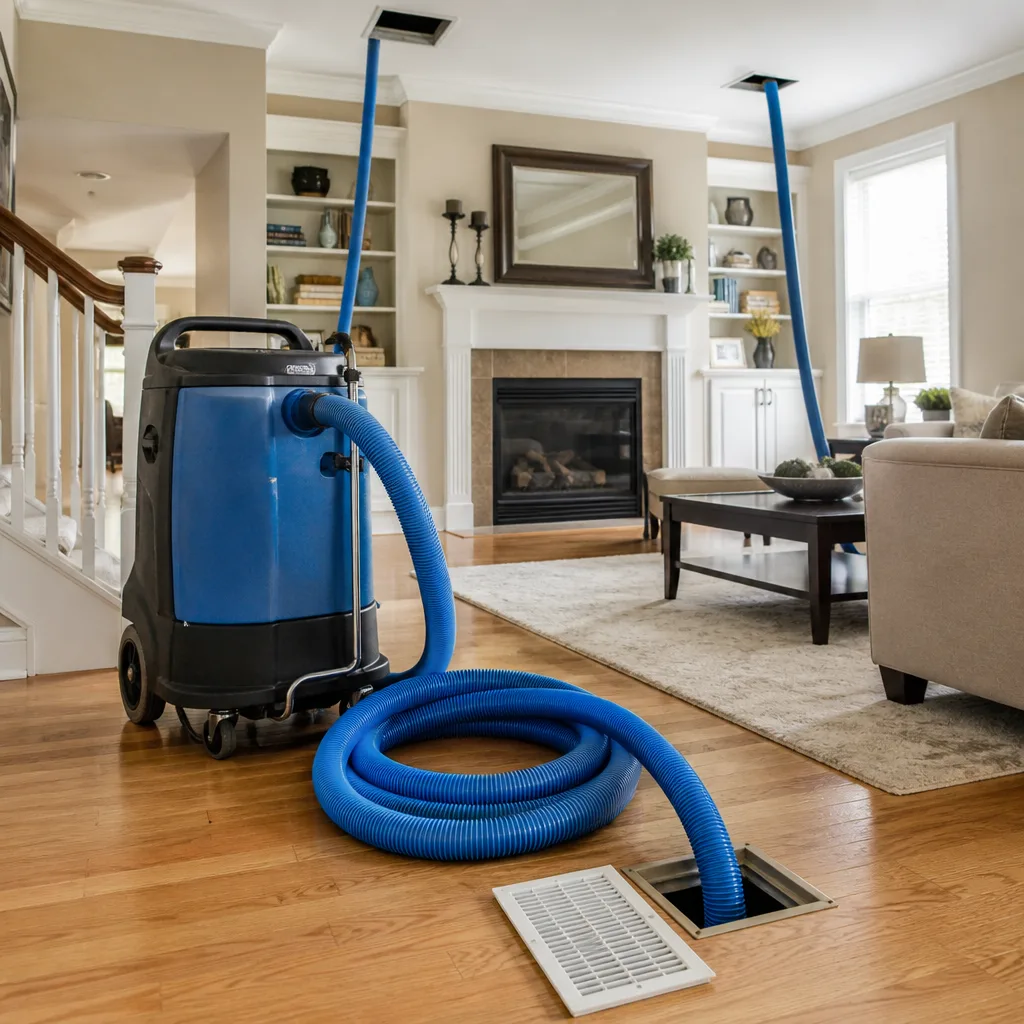 Whole-home duct cleaning
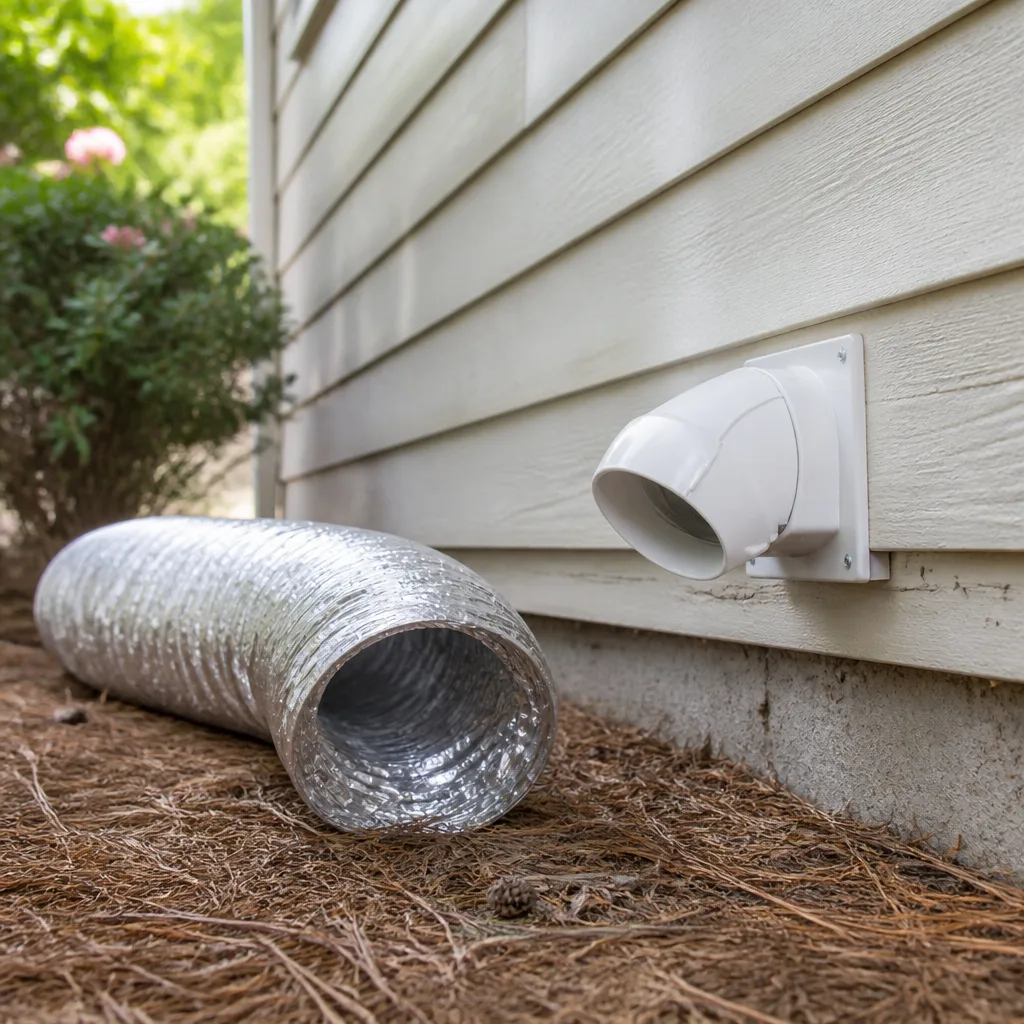 Dryer vent cleaning
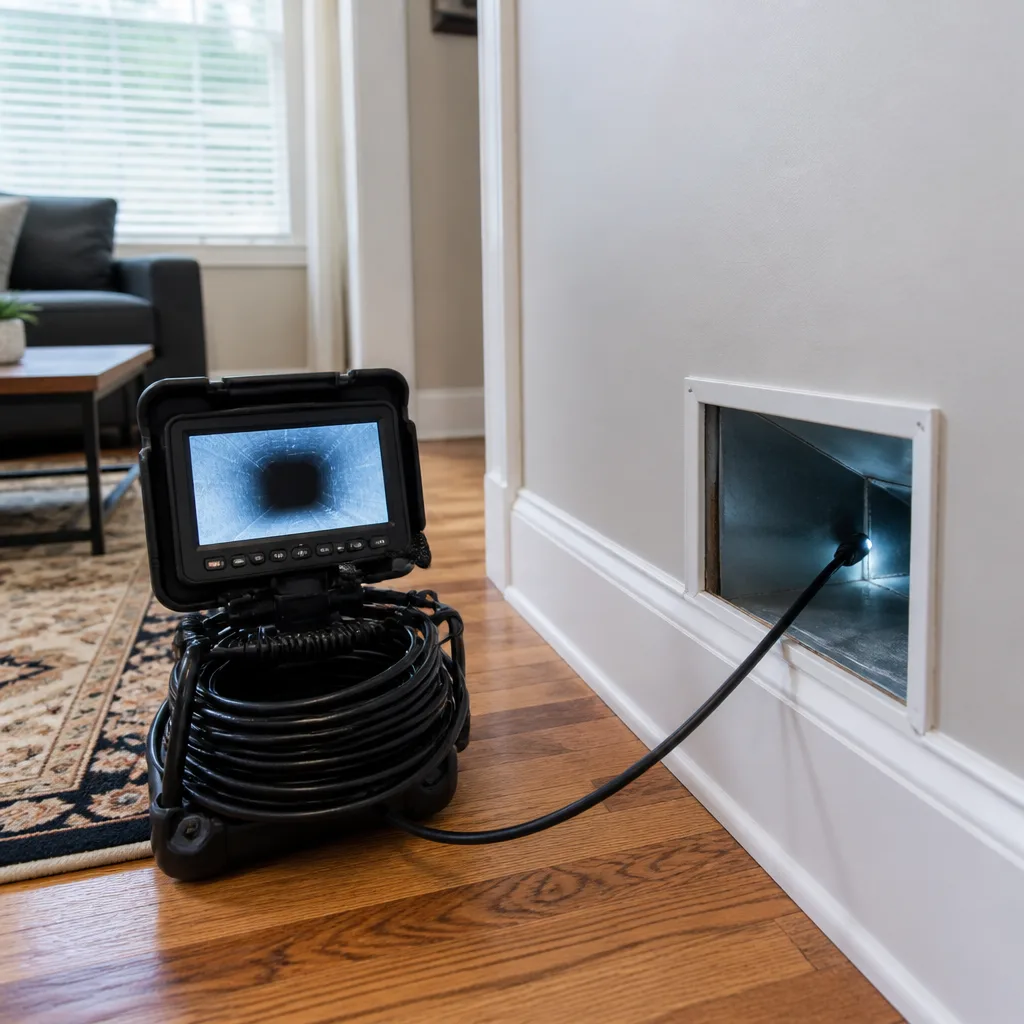 Camera inspection
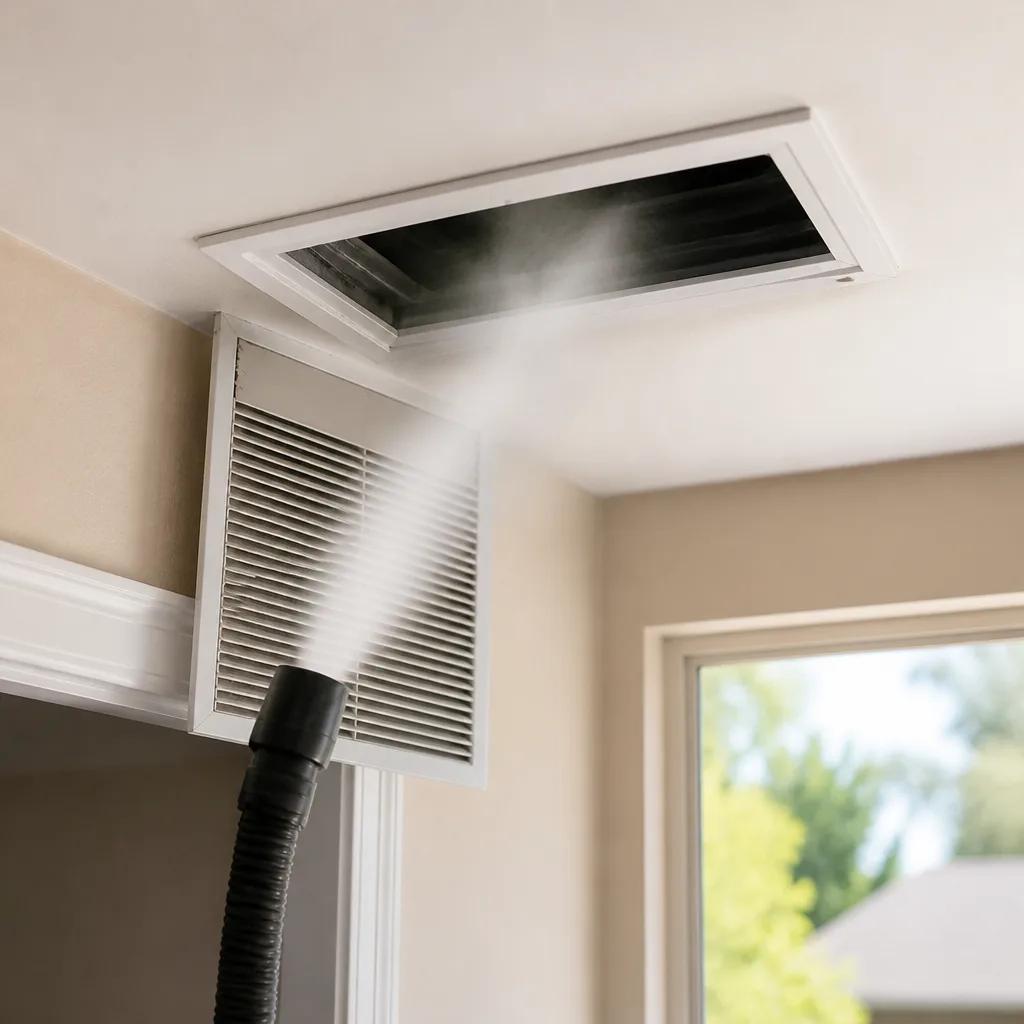 Sanitizing & deodorizing
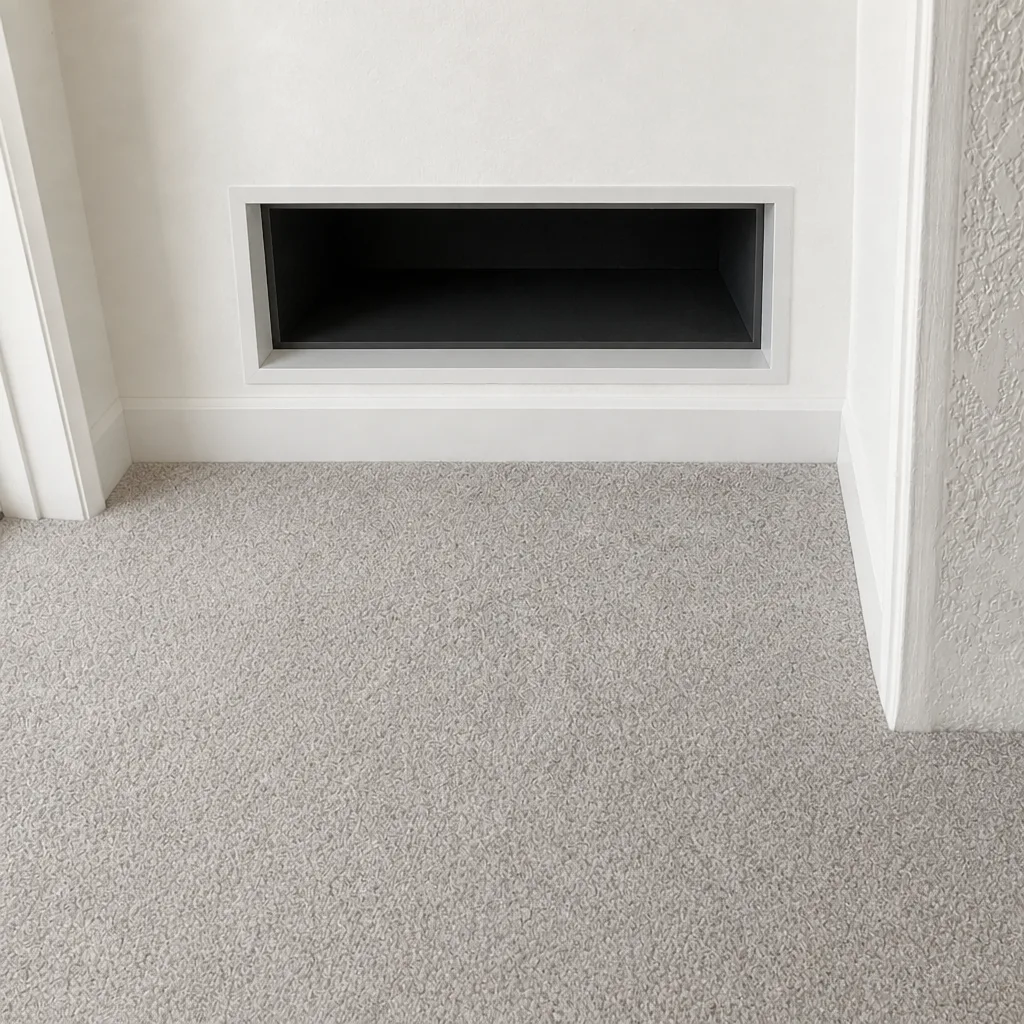
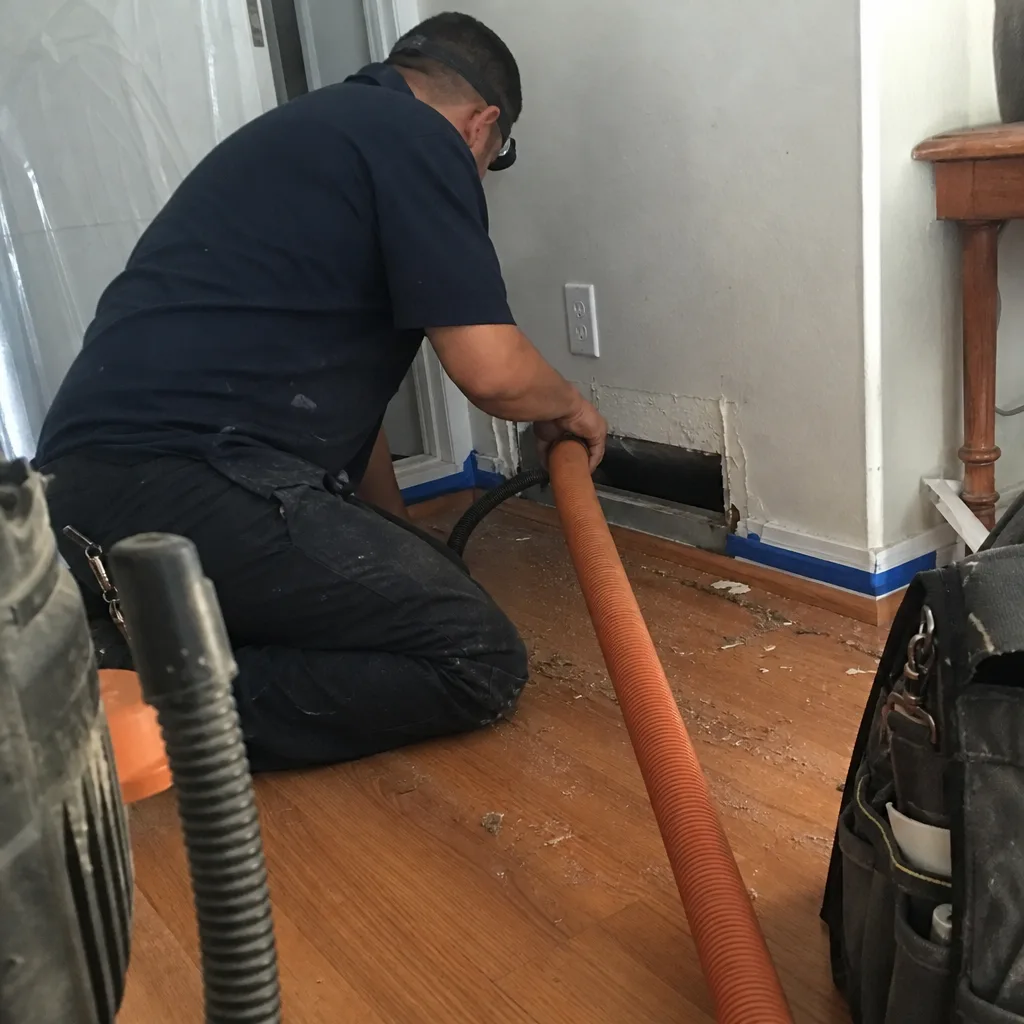
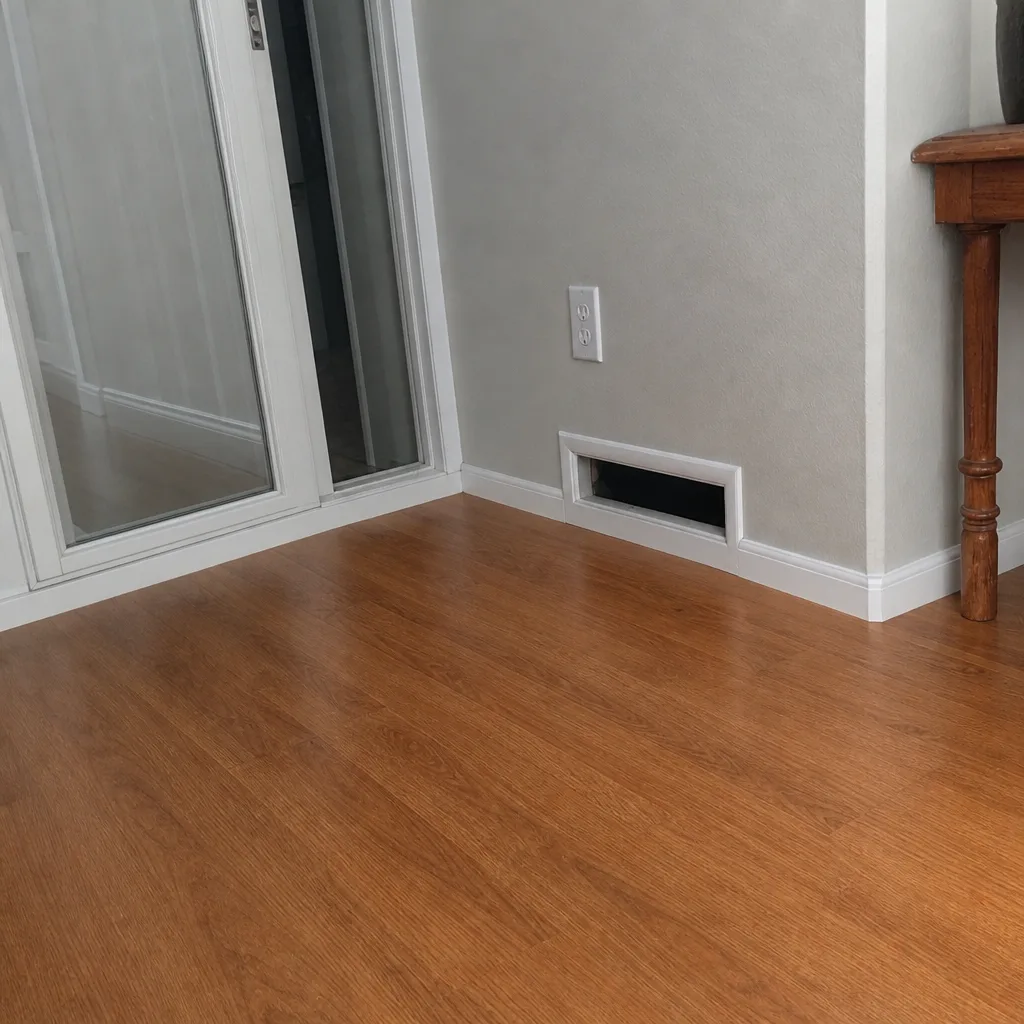
Whole-system duct and dryer vent check with before-and-after photos - you see exactly what came out of your vents
That "$99 whole-house special" is a bait ad - the real number appears once they are in your hallway, or the "clean" is a shop-vac at the register. We photograph the inside of your ducts before and after instead.
Air Duct Cleaning Emergency Preparedness Guide for Huntington Beach Homes
Most Huntington Beach households have a plan for the emergencies we actually talk about: the earthquake kit in the garage, the evacuation route taped inside a cabinet, the fire extinguisher under the sink. Almost none of those plans say a word about the duct system. That’s the gap this guide fills. When wildfire smoke rolls over the Santa Ana winds, when a supply line lets go under a slab, when the ground shakes hard enough to shift a flexible duct connection behind a wall, your air ducts are the one part of the house that can quietly spread the damage long after the event itself is over. Here’s how to plan for that, from a team that works on Huntington Beach duct systems regularly.
Quick Answer
Air duct emergency preparedness in Huntington Beach means three things: knowing when to shut off the HVAC during a wildfire smoke event, protecting and inspecting ductwork within 48 to 72 hours after any water intrusion before mold colonizes it, and checking duct connections after an earthquake before you run the system. The other half of the job is done before anything happens – sealing and repairing leaky ducts so smoke, moisture and dust have fewer ways into the system in the first place.
Styles & brands we work with
- Whole-home duct cleaning
- Dryer vent cleaning
- Camera inspection
- Sanitizing & deodorizing
Table of Contents
- Why your ducts matter in an emergency
- Wildfire smoke protocol: shut down, filter, inspect
- Post-flood duct response: the 48 to 72 hour window
- Earthquake damage checklist for duct systems
- Pre-emergency hardening: seal before you need it
- How to find an emergency-capable duct contractor in Huntington Beach
- Common mistakes to avoid
- Frequently asked questions
Why Your Ducts Matter in an Emergency
A duct system is a network of pathways that connects the inside of your house to the outside air, and it does that whether or not you want it to. Every joint that isn’t sealed, every flex run with a small tear, every boot that doesn’t sit flush against the drywall is a place where outside air can slip in. In normal weather that’s a small energy penalty. In an emergency it becomes a delivery route. Smoke gets pulled in. Moisture migrates into insulated duct runs and stays there. Dust and debris from a renovation or a damaged wall cavity find their way into the trunk line and then into every room.
Huntington Beach has a specific set of exposures that make this worth thinking about. The Santa Ana wind events that push wildfire smoke inland from the canyons are a real seasonal pattern here, not a hypothetical. The region’s older housing stock includes plenty of homes with attic and crawlspace duct runs that have never been sealed. And the same seismic reality that every Huntington Beach homeowner already plans around can shift duct hangers, crimp flex runs, and pull connections apart in ways that aren’t visible from the living room.
The good news is that duct systems respond well to preparation. A sealed system has fewer infiltration points. A clean system has less fuel for mold. A documented system is easier to hand to an inspector or an insurer. That’s the premise of this whole guide: the emergency work is easier when the prep work is already done. You can read more about the baseline service in our air duct cleaning overview, but the rest of this page is about the emergency scenarios specifically.
Wildfire Smoke Protocol: Shut Down, Filter, Inspect
During a heavy smoke event, the instinct for most people is to close the windows and leave the HVAC running to keep the house comfortable. That instinct is worth questioning. A central system running on standard “auto” mode is pulling return air from inside the house, but if the duct system is leaky – and most are – it’s also pulling a share of its air from the attic, the crawlspace, or the wall cavities, and those spaces are full of outside smoke. What you end up with is a system that’s actively distributing smoke-laden air through every room it serves.
Here’s the protocol we recommend for Huntington Beach homes during a smoke event.
- Shut the system down early. When smoke is visible or the air quality index climbs into unhealthy territory, turn the thermostat to “off” rather than “auto” or “fan on.” Continuous fan mode is the worst setting in a smoke event because it runs the blower without a call for heating or cooling, circulating whatever is in the ducts.
- Close up and seal the obvious gaps. Windows, doors, pet doors, fireplace dampers. A damp towel along the bottom of a door that faces outside is a cheap and effective measure.
- Upgrade the filter before you restart. Once the smoke has passed, replace the filter with the highest MERV rating your system’s manufacturer allows. Going too high on a filter the blower wasn’t designed for can restrict airflow, so check the system specs or ask a technician. This is the step most homeowners skip, and it’s the one that matters for the air you breathe on restart.
- Inspect and clean before normal operation. Smoke particles are fine enough to load the inside surfaces of the duct system, and a filter change alone doesn’t remove them. A post-event inspection should cover the return plenum, the trunk line, the branch runs, and the air handler cabinet.
- Consider filtration upgrades. If smoke events are a recurring concern, a media cabinet or a higher-efficiency filtration setup integrated with your existing equipment is worth discussing. We work with Honeywell and Aprilaire air-quality products and can advise on what fits your system.
The period after a smoke event is also a good time to look at the wider picture of your indoor air. Our HVAC cleaning service pairs duct cleaning with a full system clean, which matters because the air handler itself collects the same fine particles as the ducts and will redistribute them on the next cycle if it isn’t addressed.
Post-Flood Duct Response: The 48 to 72 Hour Window
Water and ductwork are a bad combination, and the clock starts the moment the water arrives. Mold can begin to colonize wet porous materials within 48 to 72 hours under the right conditions, and insulated flexible duct is a porous material. Once mold establishes itself inside a duct run, cleaning alone is often not enough – sections may need to be removed and replaced, and the surrounding structure needs to be assessed. The faster you act, the more of the system you can save.
Huntington Beach water intrusion events usually fall into a few categories: supply line failures, water heater leaks, appliance overflows, roof and window leaks during winter storms, and slab leaks that show up as unexplained dampness rather than a visible puddle. Any of them can reach ductwork in a crawlspace, in an attic, or running through a wall cavity. Here’s what the response should look like.
- Stop the source and document everything. Shut off the water, photograph the affected area, and note the time. This matters for insurance and for the restoration contractor.
- Turn off the HVAC system. Don’t run the system while there’s standing water or visible moisture in or near the ductwork. Running the blower spreads moisture through the system and into rooms that were previously dry.
- Get the structure dry within the window. Fans, dehumidifiers, and professional drying. The goal is to remove moisture from the building assembly, not just the visible surfaces.
- Inspect the ducts before the system goes back on. The inspection should look for water staining on the duct exterior, sagging insulated flex runs, collapsed sections, and any sign of microbial growth inside the duct liner.
- Clean, sanitize, and reassess. If the ducts got wet but were dried quickly and show no growth, a full clean and sanitize may be sufficient. If there’s visible growth, the affected sections need to be removed. We use Abatement Technologies air-quality equipment to capture contaminants during this kind of work and Guardsman protective treatments on the cleaned surfaces afterward.
If a flood happens in a Huntington Beach home, it’s worth having the duct system inspected even if it wasn’t obviously in the path of the water. Moisture migrates, and a duct run that stays damp in an unconditioned space is exactly the environment mold needs.
Earthquake Damage Checklist for Duct Systems
Duct systems are one of the more forgiving parts of a house in a seismic event, but they’re not immune. Flexible duct runs can pull apart at their connections, rigid trunk lines can shift off their hangers, and boots at the floor or wall registers can be displaced. None of that is usually visible from inside the living space until the system is running and you notice uneven airflow, a whistling sound, or dust blowing out of a register that was clean before.
Here’s a checklist to run through after any notable shaking, before you turn the system back on.
- Look at every register. Displaced or loose grilles and boots are the most visible sign of movement. If a floor register has lifted or shifted, the boot underneath it likely moved too.
- Check the attic and crawlspace if it’s safe to access. Look for flex duct that has come off its collar, runs that are crimped or kinked, and hangers that have pulled loose from the framing.
- Listen before you run it. A rattle, a whistle, or a change in the sound of the blower can indicate a disconnected run or a restriction.
- Look for dust at the registers. A sudden plume of dust from a register that wasn’t dusty before is a strong signal of a breach somewhere upstream.
- Check the air handler and the return connection. The connection between the return duct and the air handler cabinet is a common failure point after shaking.
If anything on that list turns up a problem, don’t run the system until a technician has looked at it. A disconnected flex run in an attic is pulling attic air – insulation fibers, dust, and whatever else is up there – straight into the supply stream. Our Huntington Beach Air Duct Cleaning Pros team handles post-event inspections and duct repair as part of the same visit as cleaning, which means you’re not coordinating two contractors to get the system back to normal.
Pre-Emergency Hardening: Seal Before You Need It
Everything in the previous sections gets easier if the duct system is already sealed and in good repair. This is the preparation step that most homeowners never get around to, because it doesn’t feel urgent. But the logic is straightforward: a sealed duct system has fewer pathways for smoke infiltration, fewer places for moisture to enter, and fewer connections that can fail in a seismic event.
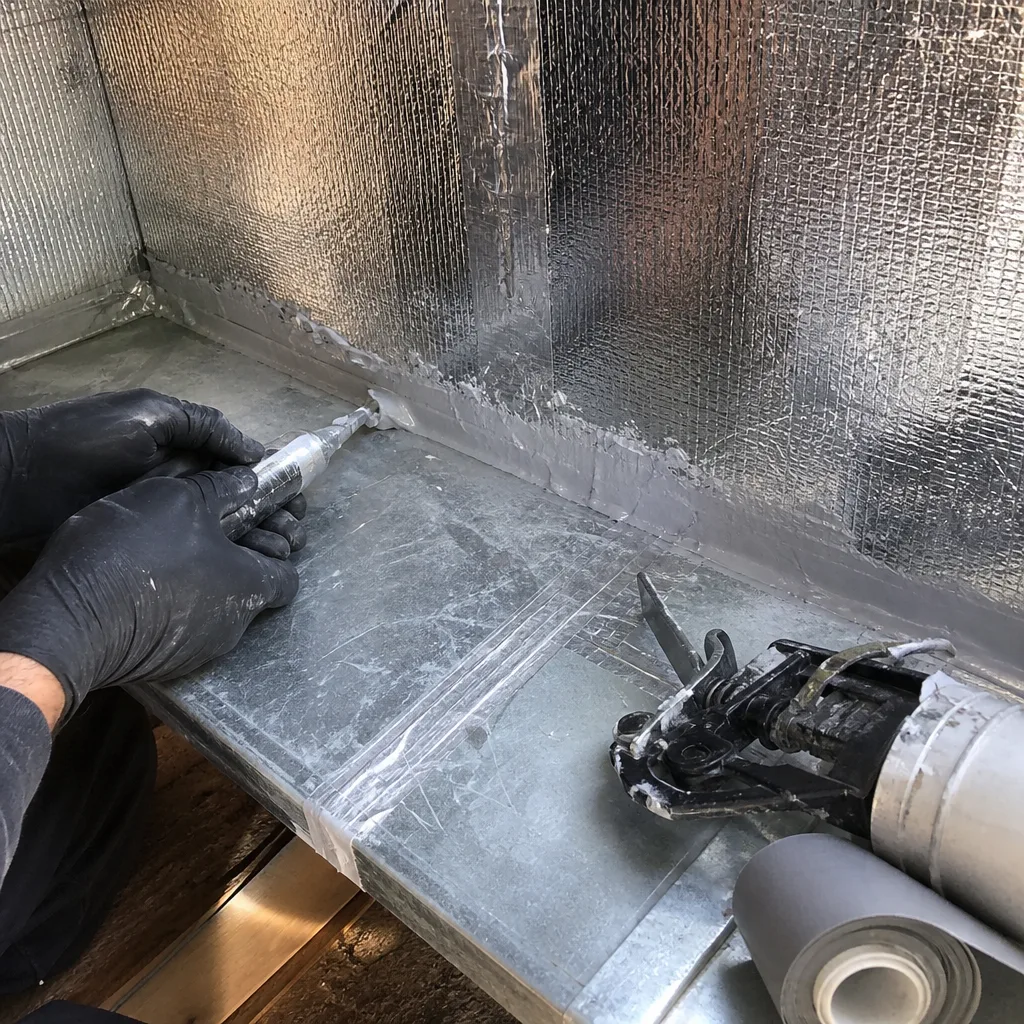
Duct sealing and repair is work we do in the same visit as cleaning. The technician identifies leaks at joints, at boot connections, at the plenum, and along the trunk line, then seals them. In some cases that’s mastic and mesh; in others it’s replacing a damaged section of flex duct outright. The point is to close the gaps, not just clean what’s already inside the system.
Alongside the sealing, there are a few other hardening steps worth considering for a Huntington Beach home.
- Upgrade the filtration. A media cabinet or a higher-efficiency filter setup gives you a better first line of defense in a smoke event than a standard 1-inch filter slot.
- Keep the dryer vent clean. This is the one duct in the house that’s a fire safety issue on its own, independent of any external emergency. Lint accumulation in a dryer vent is a leading cause of residential fires, and it’s a service many HVAC-only cleaners skip. Our dryer vent cleaning covers it as a core service rather than an add-on.
- Document the system. Before-and-after photos of your duct system taken during a routine cleaning give you a baseline. In an insurance claim or a post-event inspection, that baseline is worth having.
This kind of hardening work isn’t dramatic, and that’s the point. It’s the difference between a system that has to be rescued and one that holds up.
How to Find an Emergency-Capable Duct Contractor in Huntington Beach
The phrase “emergency service” gets used loosely in this trade. What it should mean, for a duct contractor, is a clear answer on response time, a scope that covers repair and sealing as well as cleaning, and the equipment to handle contamination rather than just dust. Here’s what to ask before you need to call.
- Ask what equipment they use. A contact-vacuum system like Rotobrush with a rotating brush head and negative pressure throughout the work area is a different class of tool from a shop vac or a truck-mounted blower with no brush contact. Nikro systems are purpose-built for professional duct and system work. Ask the question and see what answer you get.
- Ask whether they repair and seal. A contractor who only cleans will leave the leaks in place and hand you a bill. A contractor who does repair and sealing in the same visit is closing the loop.
- Ask about contaminant capture. If the job involves mold or smoke residue, the equipment matters. Abatement Technologies equipment is what remediation-level work uses for contaminant capture.
- Ask about pricing up front. You want one flat price per system, agreed before work starts. If the contractor quotes per vent or leads with a coupon figure, that’s the bait-and-switch pattern worth walking away from.
- Ask for before-and-after photos. Of your own ducts, not stock photos. This is the simplest verification step there is.
One more point on availability. It’s worth knowing your contractor’s hours before an emergency, not after. We answer 24/7, and dispatch runs 7am to 7pm, Sunday through Friday, closed Saturday. Call (866) 937-7145. We answer 24/7. Fast dispatch from 7am to 7pm, Sunday through Friday.
Common Mistakes to Avoid
- Running the HVAC on “fan on” during a smoke event. Continuous fan mode keeps the blower running without a heating or cooling call, circulating whatever is in the ducts and pulling more smoke in through leaks. Switch to “off” instead.
- Waiting to address wet ductwork. The 48 to 72 hour window matters. Waiting a week to see if it dries on its own is how a repairable system becomes a replacement.
- Restarting the system after an earthquake without checking the connections. A disconnected flex run in an unconditioned space is pulling outside air straight into the house. Look before you run.
- Upgrading the filter without checking the system’s limits. A MERV rating higher than the equipment was designed for can restrict airflow and strain the blower. Match the filter to the system, not to the marketing on the package.
- Assuming a cheap coupon price is the price. In this trade, a low advertised figure often becomes a much larger invoice once the technician is on site. You want one flat price per system, agreed before work starts.
- Cleaning without sealing. A system that gets cleaned but not sealed will collect the same debris again. Clean it, seal it, sanitize it – in one visit if the contractor can do it.
- Skipping the dryer vent. It’s a fire safety issue separate from the duct system, and it’s easy to forget. Get it on a routine schedule.
See the difference
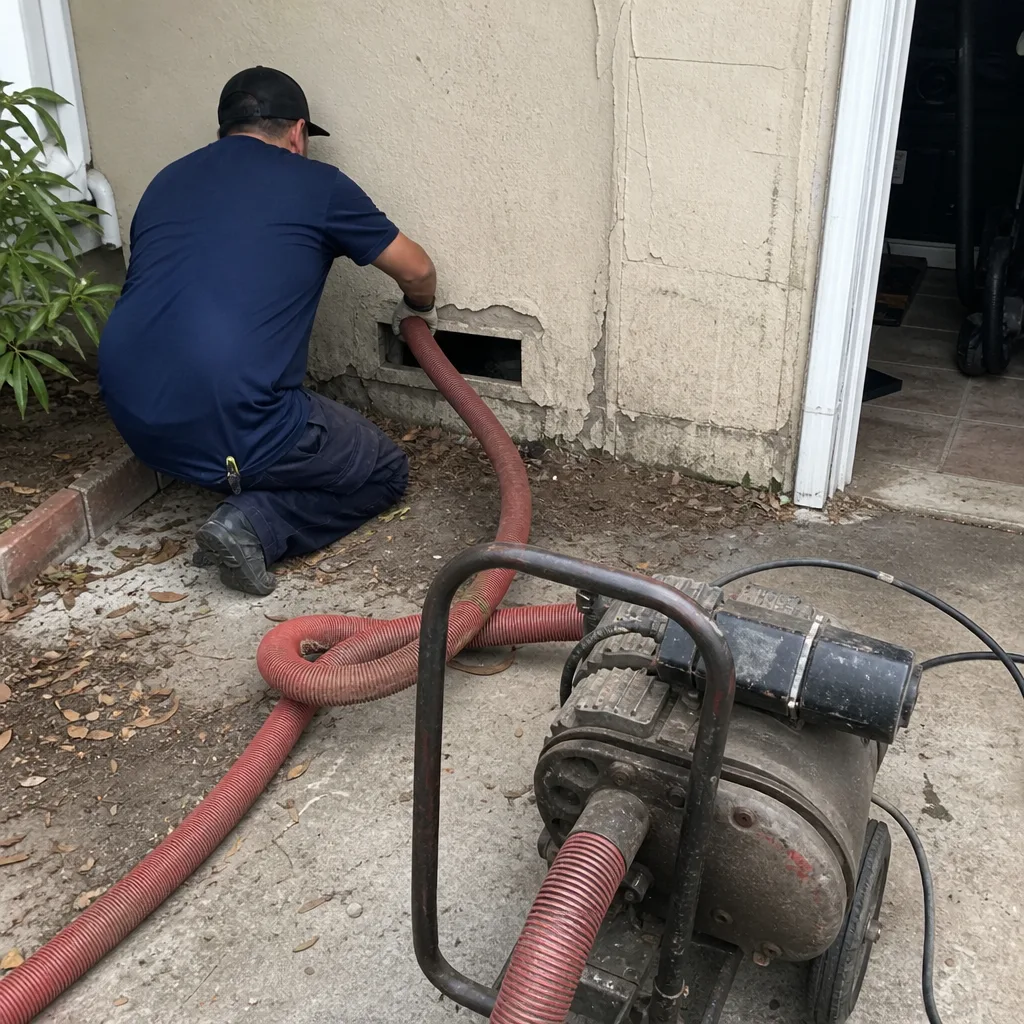 Before
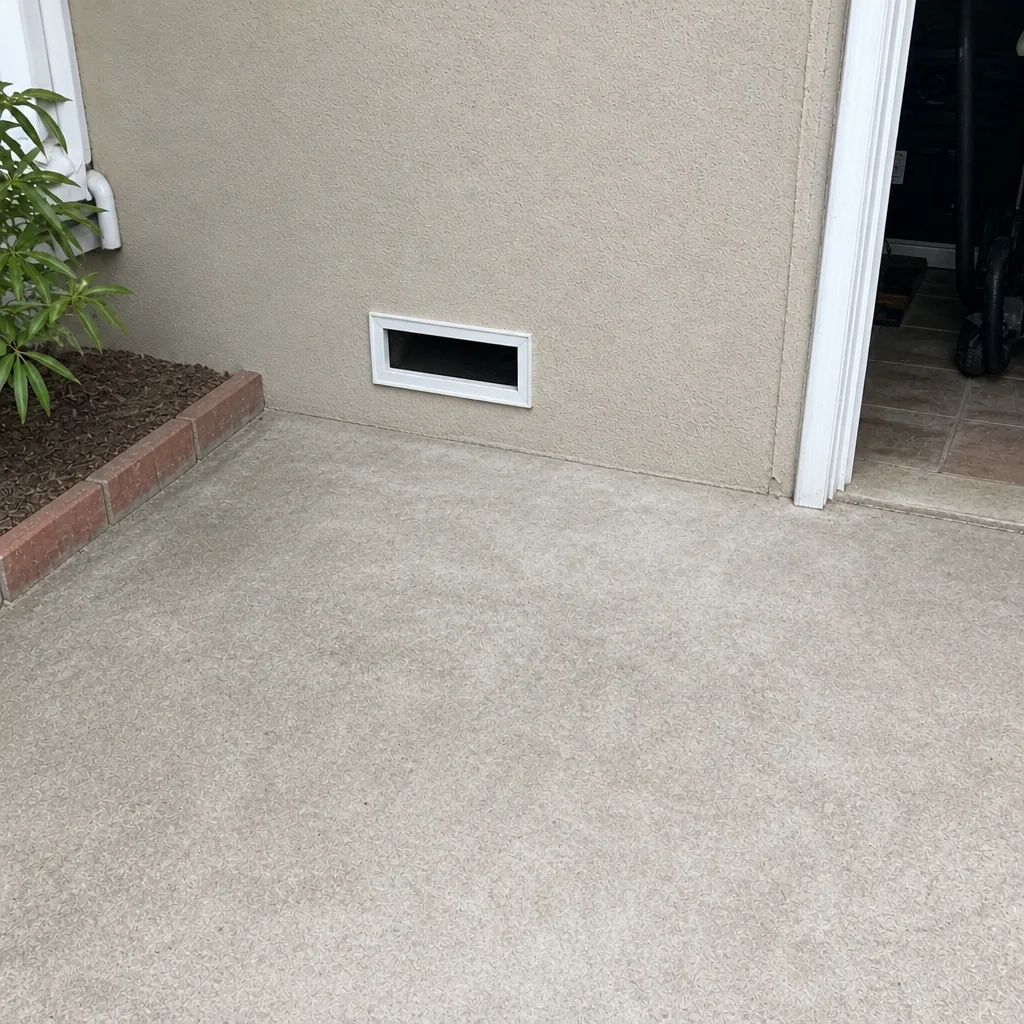 After
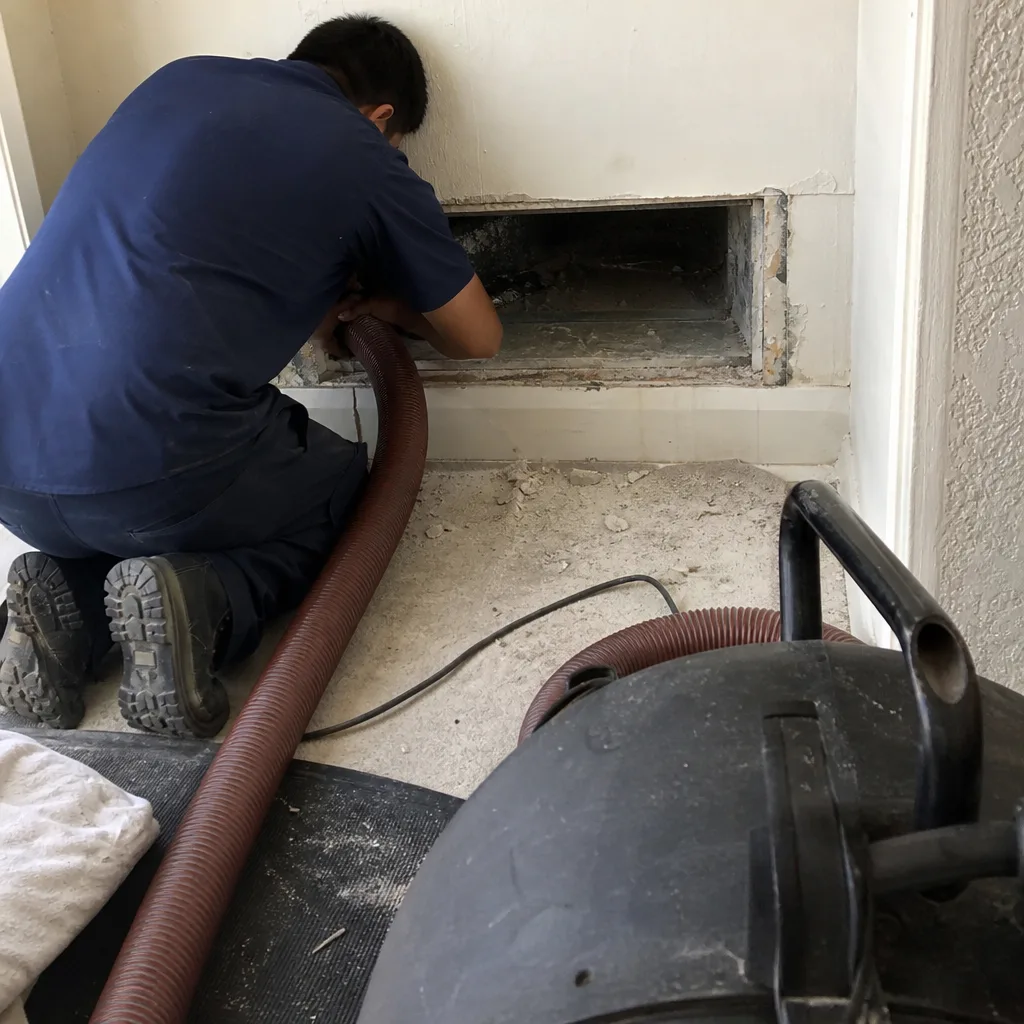 Before
 After
 Before
 After
When to Call a Professional
Some duct issues are obvious enough to call on immediately: visible water in the ductwork, mold growth inside a duct run, a disconnected flex run after an earthquake, smoke residue that’s still bothering the household weeks after an event, or a system that’s blowing dust into rooms it never used to. Others are subtler – a musty smell that shows up in the same room every summer, allergy symptoms that get worse indoors, energy bills that creep up without explanation. Both lists are worth a professional inspection. Huntington Beach Air Duct Cleaning Pros offers free estimates in Huntington Beach – call (866) 937-7145. Our technicians have up to 9 years of experience, use Rotobrush and Nikro systems, and can handle cleaning, repair and sealing, and sanitizing in a single visit so you’re not coordinating multiple contractors after an emergency.
Frequently Asked Questions
Yes. Turn the system to “off” rather than “auto” or “fan on” when smoke is visible or air quality is poor. Running the blower during a smoke event pulls smoke-laden outside air through leaky duct connections and distributes it through the house.
Mold can begin to colonize wet porous materials within 48 to 72 hours under the right conditions, and insulated flexible duct is a porous material. The faster the structure is dried and the ducts inspected, the more of the system can be saved. Call (866) 937-7145 for an inspection – estimates are free.
Look at every register for displacement, then check the attic or crawlspace for flex duct that has come off its collar, crimped runs, and hangers that pulled loose. A whistle, rattle, or sudden dust plume from a register is a sign of a breach. Don’t run the system until a technician has looked at it.
It depends on the size and layout of the system and what’s involved – a straightforward clean is one thing, a post-flood clean and sanitize with repair is another. We quote one flat price per system and agree it before work starts, with no per-vent pricing. Call (866) 937-7145 for an exact quote – estimates are free.
Usually because the scope is smaller than it looks: cleaning without repair or sealing, consumer-grade equipment instead of a professional contact-vacuum system, or a teaser price that grows once the technician is on site. We work on one flat price per system, agreed before work starts, and we show before-and-after photos of your own ducts. Call (866) 937-7145 for a free estimate.
Ask for before-and-after photos of your own duct system, not generic ones. A contractor who uses professional equipment like Rotobrush and completes repair and sealing in the same visit can document what they did. Call (866) 937-7145 to schedule – estimates are free.
The Bottom Line
Emergency preparedness for Huntington Beach homes usually stops at the structural stuff: the earthquake kit, the evacuation plan, the water shutoff. The duct system deserves a place on that list because it’s the part of the house that can spread smoke, moisture, and debris after an event has already passed. The protocol is simple: shut the system down during a smoke event, act on water intrusion within 48 to 72 hours, check connections after an earthquake before running the system, and do the sealing and repair work before you need it. One call, fully resolved – cleaning, dryer vent, HVAC system, duct repair and sealing, and sanitizing under one company. Call (866) 937-7145 for a free estimate. We answer 24/7, with fast dispatch from 7am to 7pm, Sunday through Friday.
Written by the team at Huntington Beach Air Duct Cleaning Pros.