
Last updated November 24, 2026
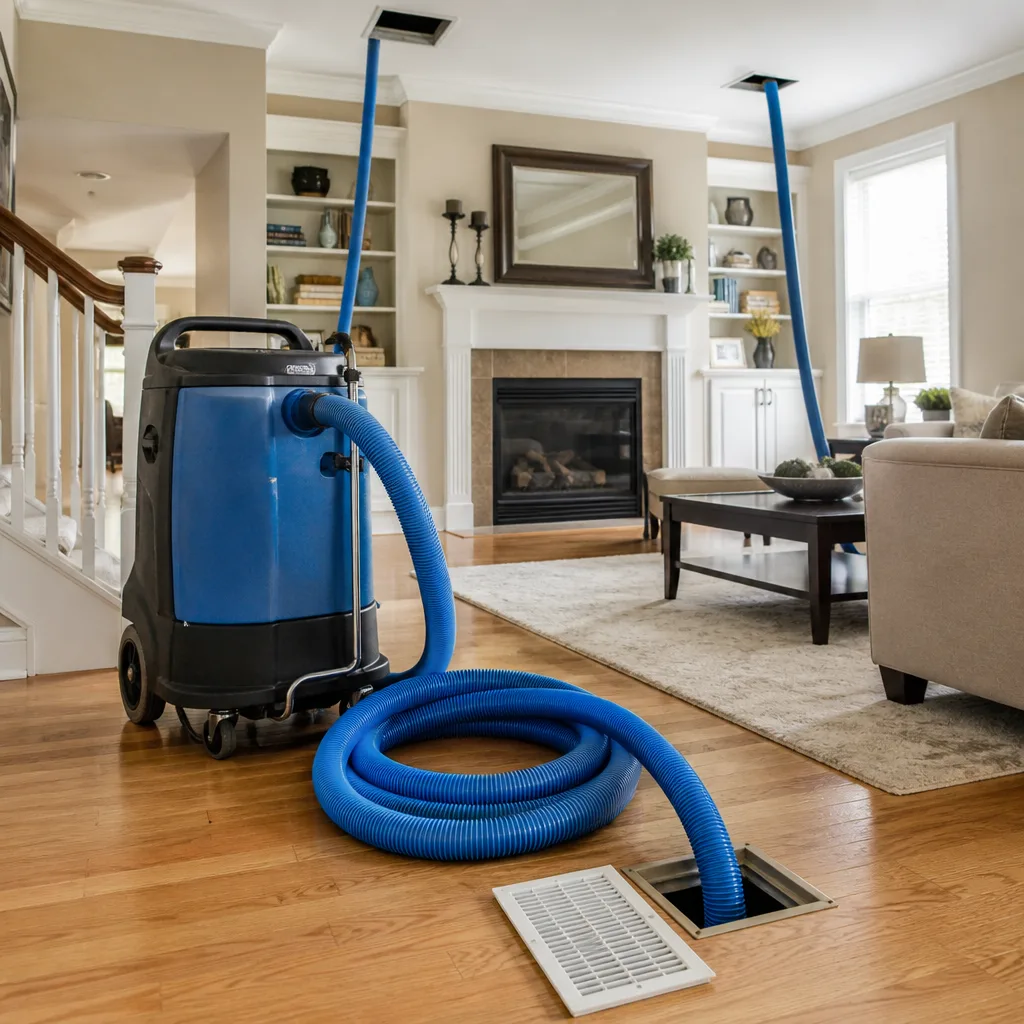 Whole-home duct cleaning
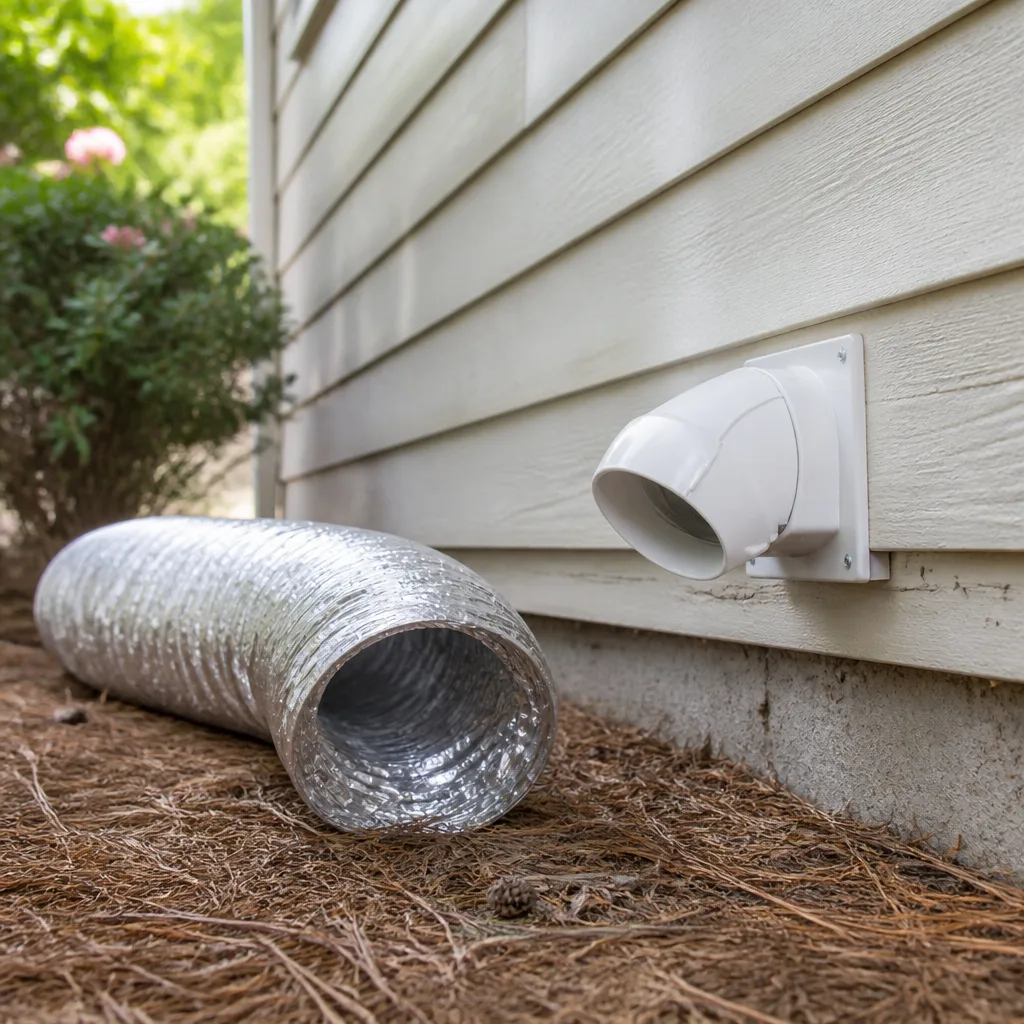 Dryer vent cleaning
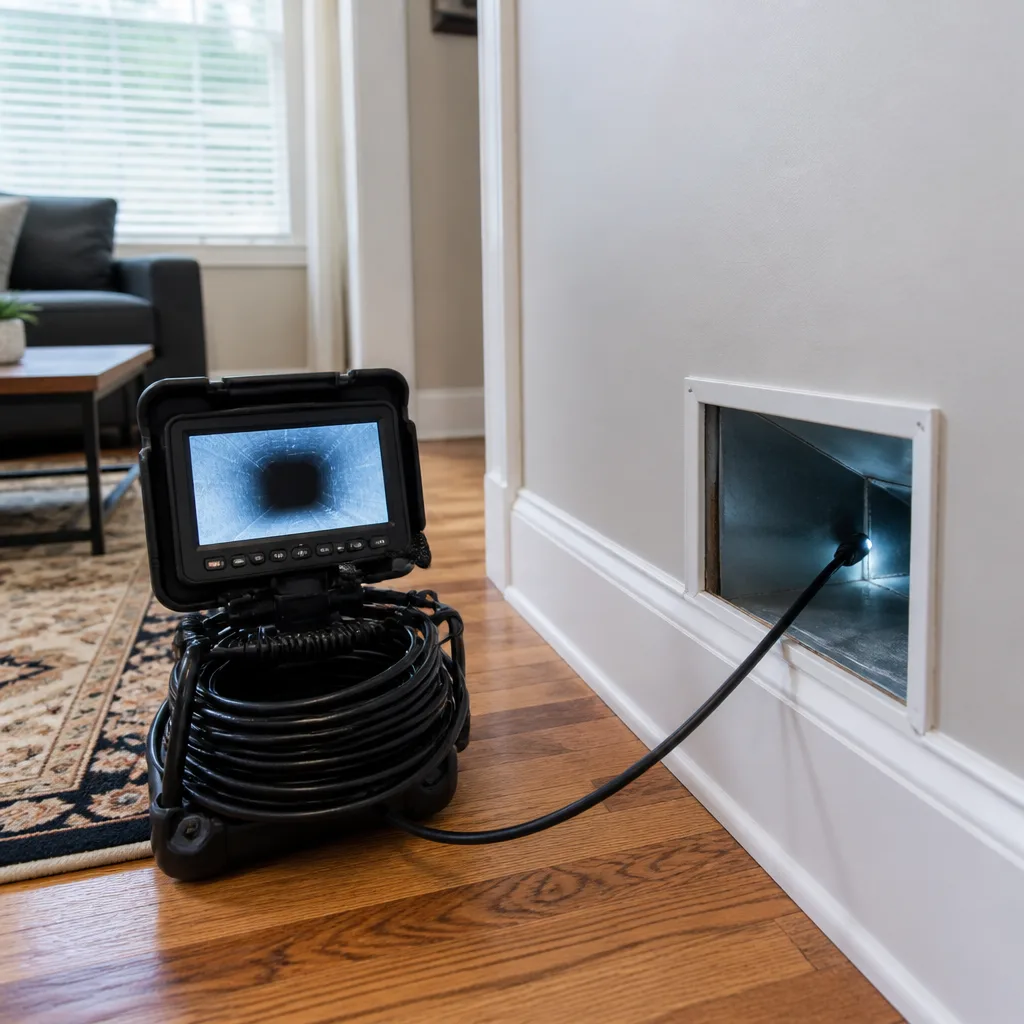 Camera inspection
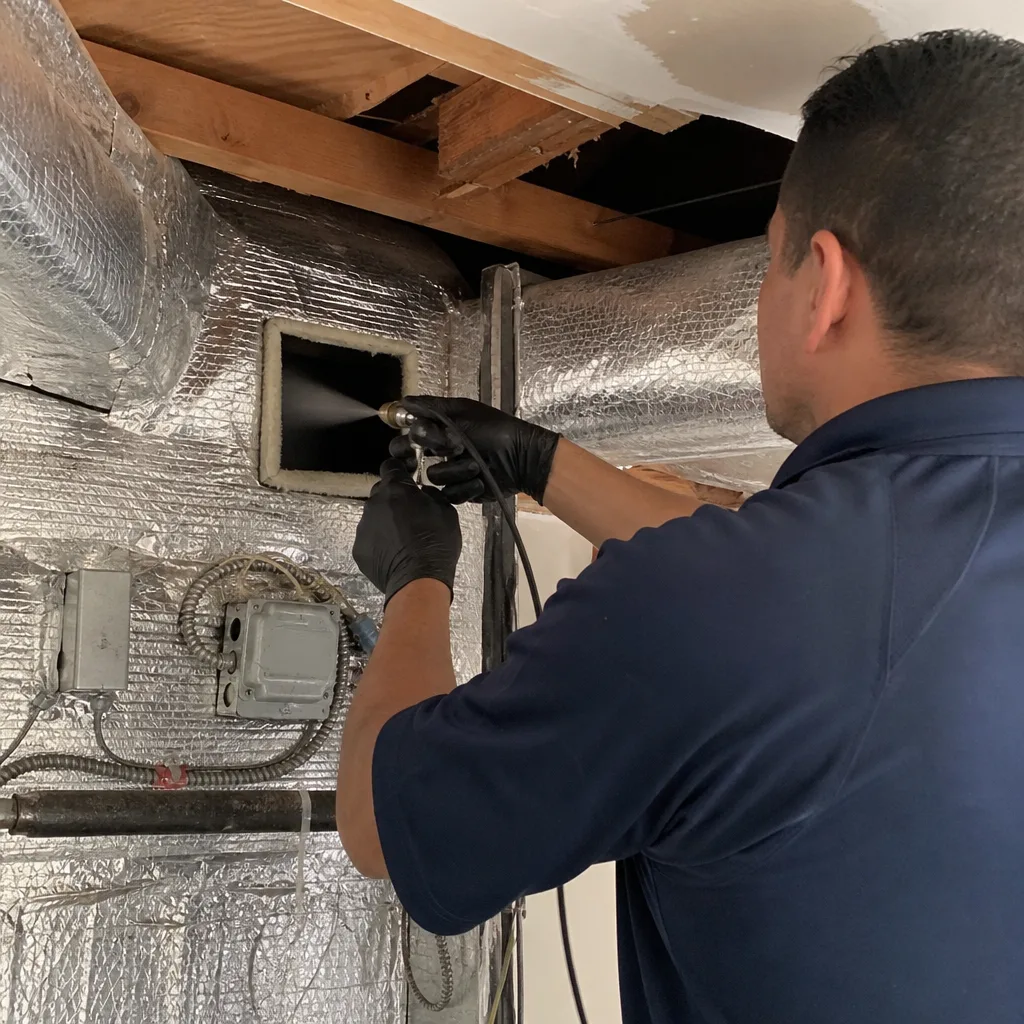
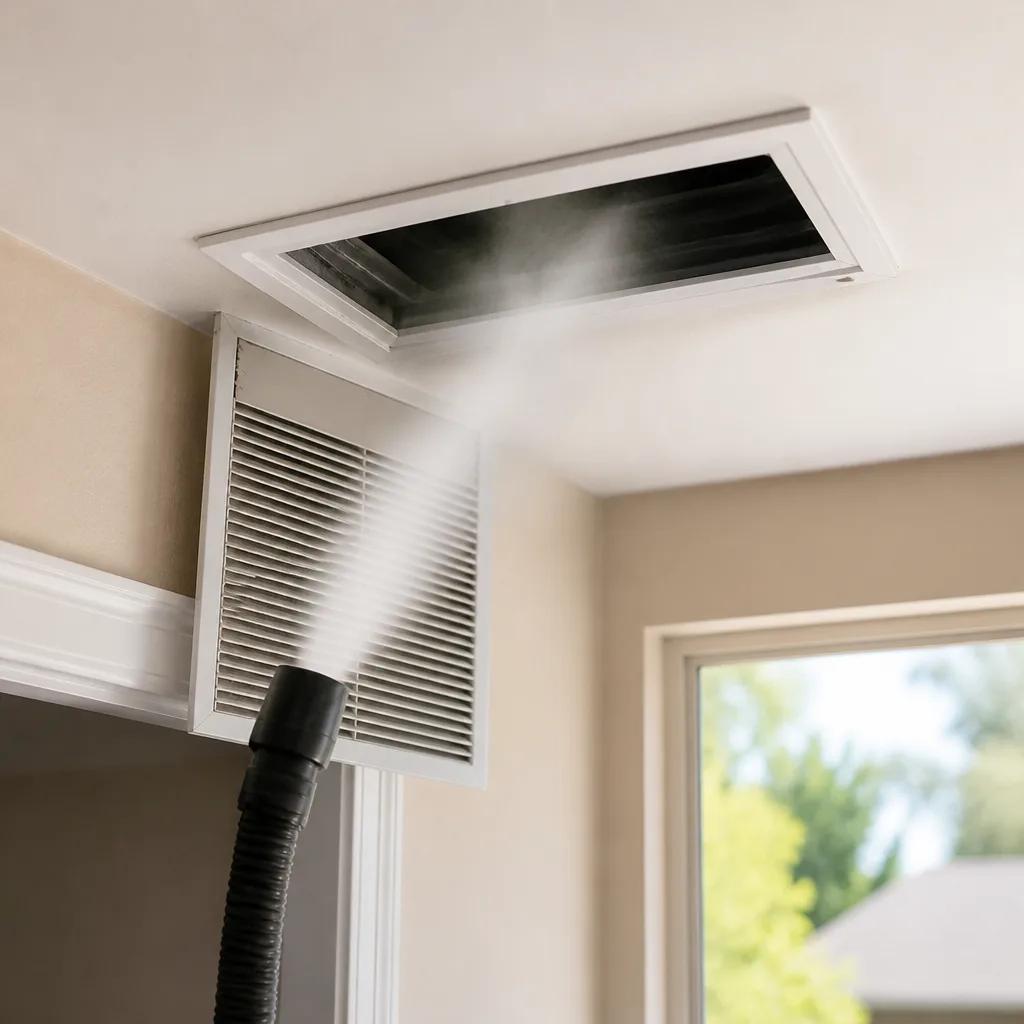 Sanitizing & deodorizing
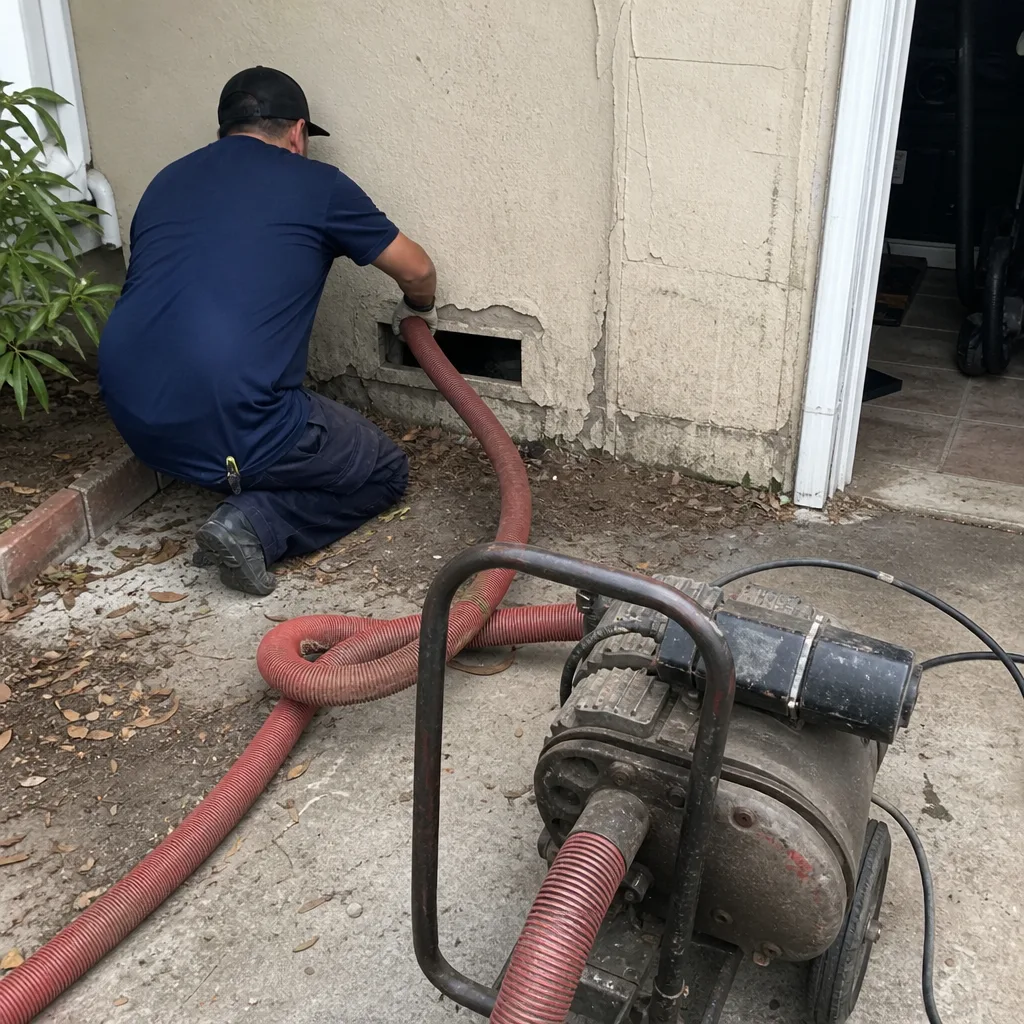
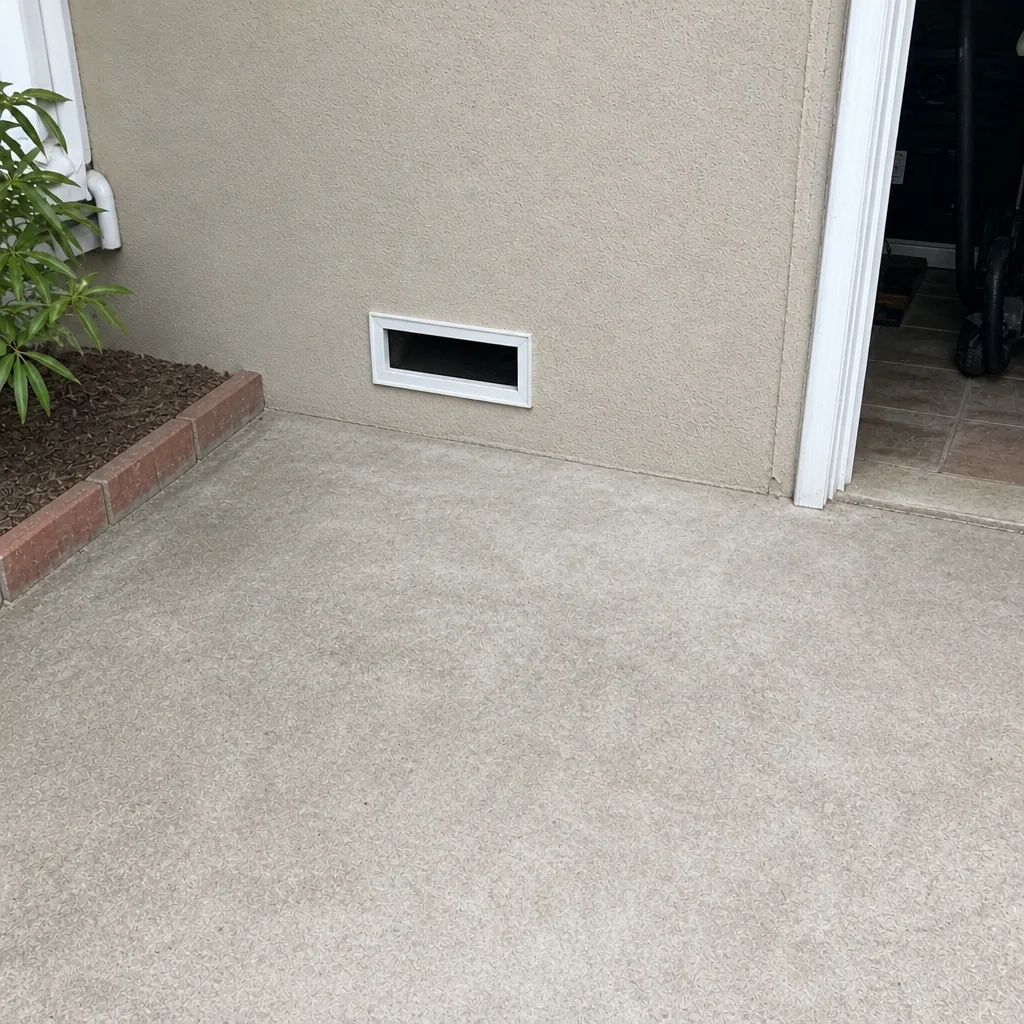
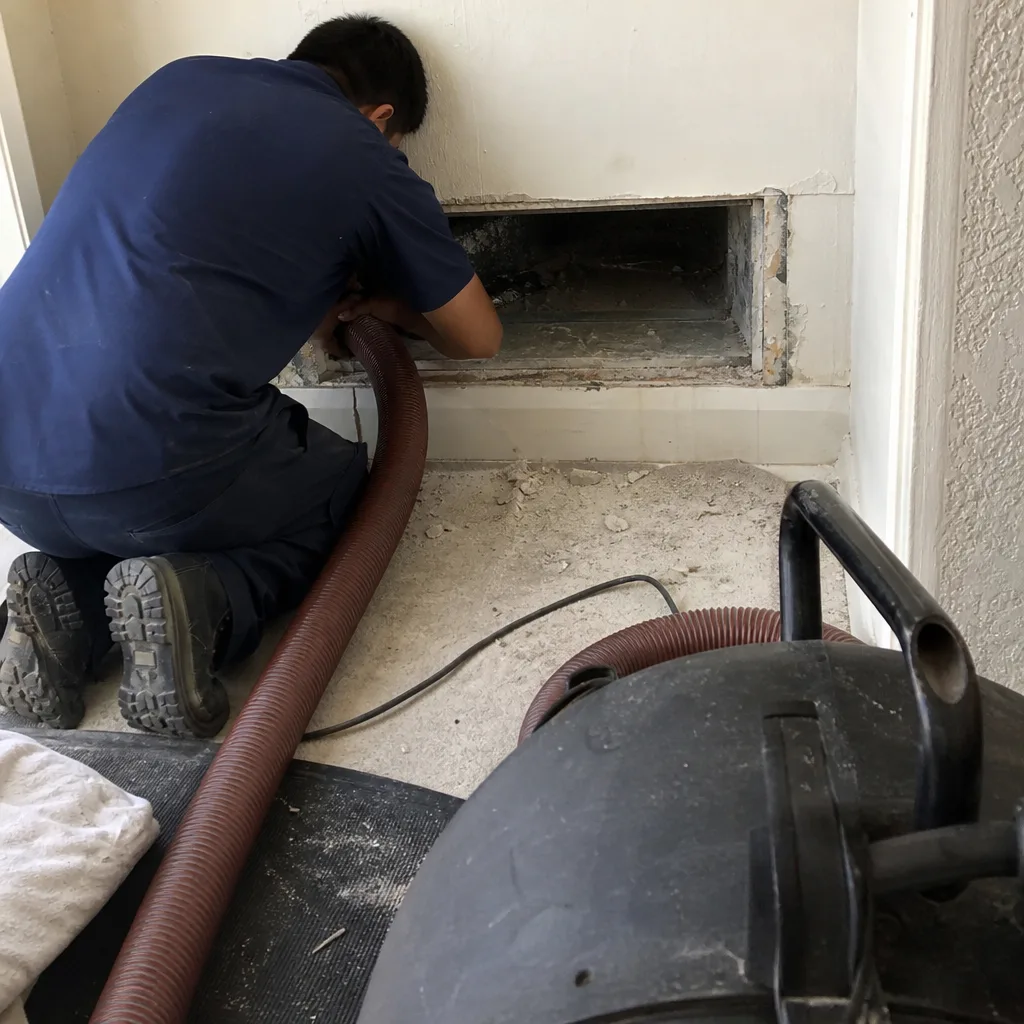
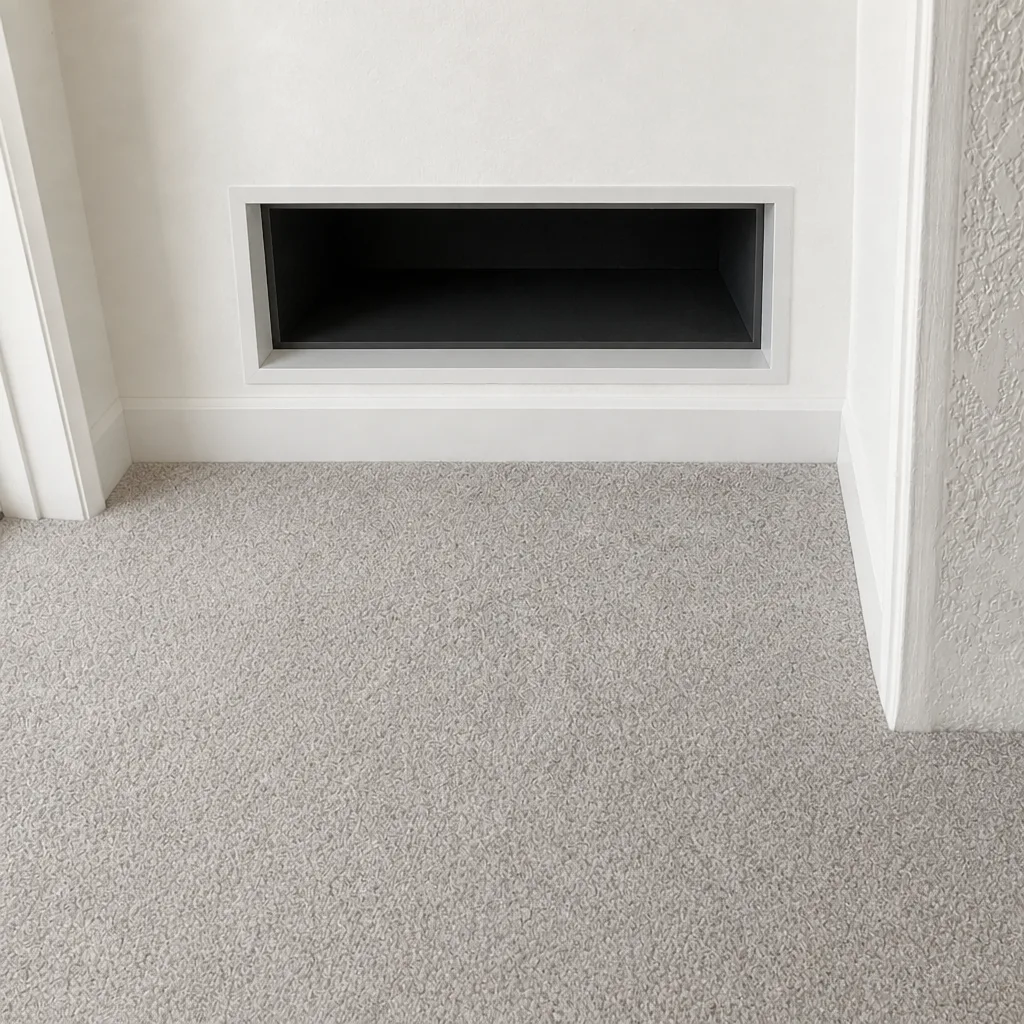
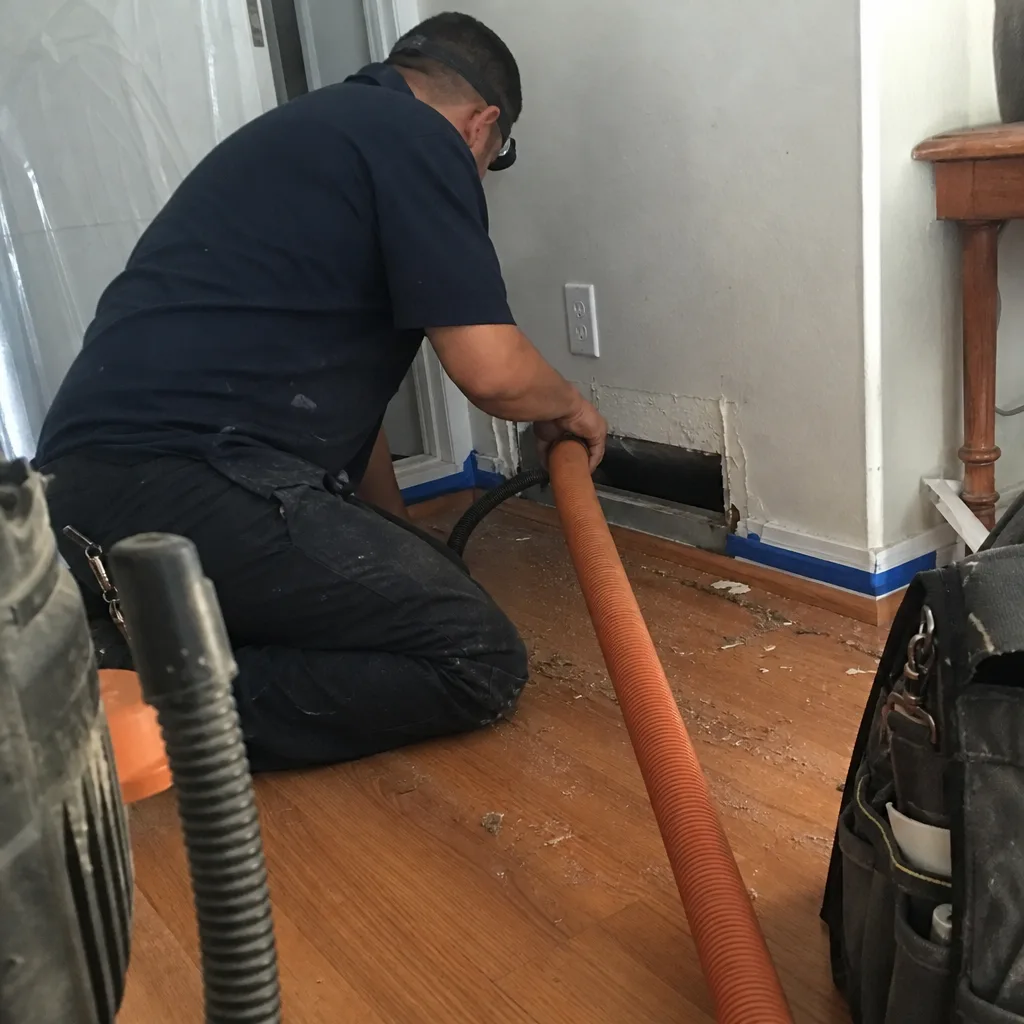
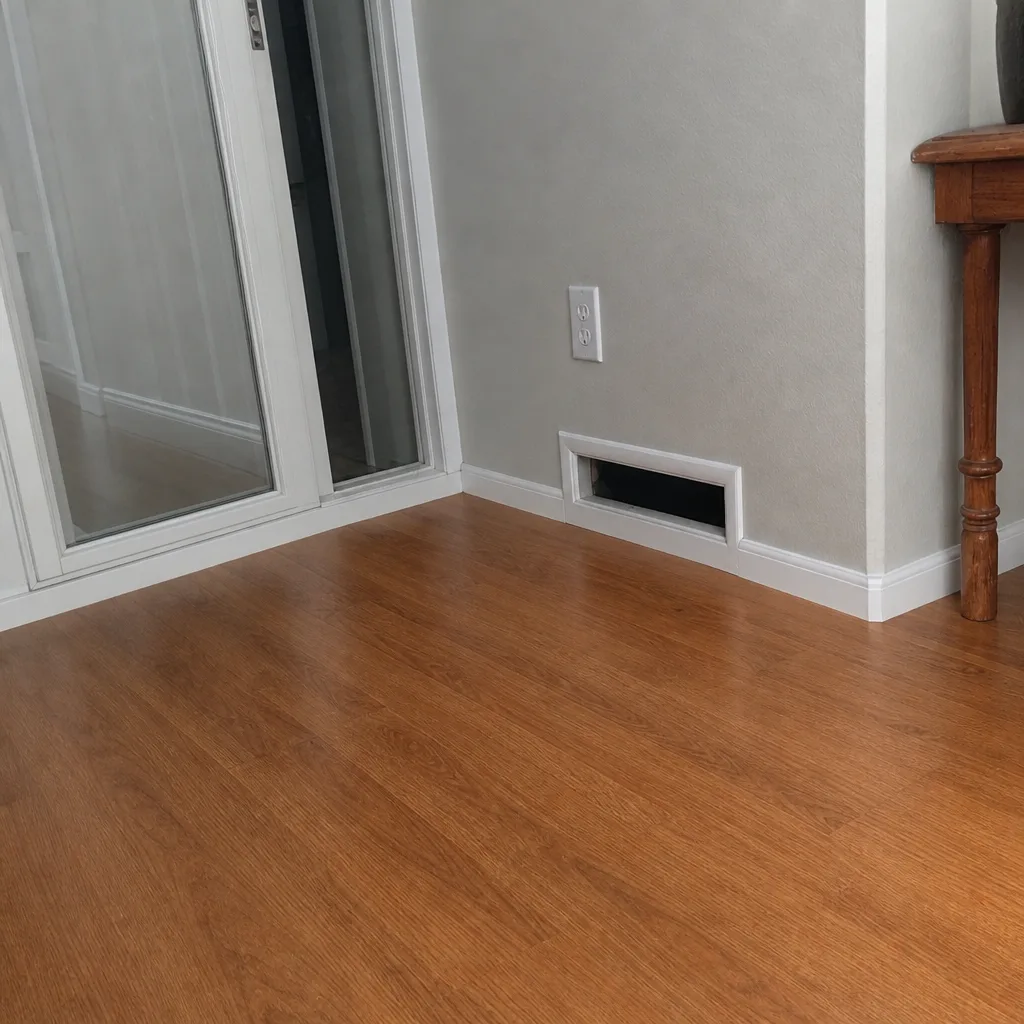
Whole-system duct and dryer vent check with before-and-after photos - you see exactly what came out of your vents
That "$99 whole-house special" is a bait ad - the real number appears once they are in your hallway, or the "clean" is a shop-vac at the register. We photograph the inside of your ducts before and after instead.
Air Duct Cleaning Warning Signs: A Huntington Beach Homeowner’s Reference Guide
Uneven room temperatures that you’ve been blaming on your thermostat are one of the most consistent early indicators of partial duct blockage or collapse. In Huntington Beach homes with aging flex duct in attic spaces, that collapse can happen gradually enough that homeowners adapt to it rather than investigate it. You close a vent, you add a space heater, you learn to live with the back bedroom running five degrees warm. This guide is about catching those subtle early signals before duct contamination becomes an HVAC performance problem or a health issue, including the signs specific to Huntington Beach home construction and climate.
Quick Answer
The clearest warning signs of a duct problem in Huntington Beach are uneven room temperatures, musty odors that appear only when the HVAC first starts up, allergy symptoms that track with your system running rather than with pollen season, and dark or fuzzy debris visible when you look up into a supply register with a flashlight. Masking smells, rising energy bills without a rate change, and visible dust settling within days of cleaning are secondary confirmation. A dirty filter is a separate diagnosis and should be ruled out first.
Styles & brands we work with
- Whole-home duct cleaning
- Dryer vent cleaning
- Camera inspection
- Sanitizing & deodorizing
Table of Contents
- How to Tell a Dirty-Filter Problem From a Duct-Level Problem
- Uneven Room Temperatures: The Easiest Sign to Miss
- What the Timing of a Musty Smell Actually Tells You
- Allergy Symptoms That Track HVAC Operation, Not Season
- Register Inspection: What You Can See With a Flashlight
- Huntington Beach Construction and Duct Problems You Won’t See Elsewhere
- Energy Bills and Furnace Behavior as Duct Signals
- The Dryer Vent Sign Most Homeowners Overlook
How to Tell a Dirty-Filter Problem From a Duct-Level Problem
A clogged filter and a contaminated duct system produce similar complaints, but they behave differently when you test them. Before assuming the ducts are the problem, you need to rule out the filter. In our experience, most homeowners skip this and jump straight to a duct cleaning they may not need yet.
A dirty filter causes broad, whole-home symptoms. Airflow drops everywhere at once, the system sounds strained, and the energy bill creeps up. Change the filter and run the system for a full day. If rooms even out and the strain goes away, the ducts were likely fine.
A duct-level problem produces targeted symptoms. Here is how you tell the two apart:
- Distribution matters. A filter is upstream of every room. Duct problems affect a run, a branch, or a section, so one or two rooms suffer while others are comfortable.
- Odor is a duct signal. Clean filters don’t produce a musty smell when the fan starts. A duct-lining or insulation problem does.
- Debris color points to the source. Grey, evenly distributed dust on a filter is normal. Black, fuzzy, or gritty debris at a register is not the filter’s doing.
- Recovery speed. A new filter changes conditions within a day. A duct leak or collapsed flex run doesn’t improve after a filter change.
If a fresh filter doesn’t move the needle on airflow or odor, the diagnosis has shifted from the equipment to the system. That’s where a professional inspection with equipment like the Rotobrush contact-vacuum system and Abatement Technologies air-quality gear begins. Those tools capture material rather than blowing it back into the home. If you’ve ruled out the filter and the symptoms persist, it’s worth scheduling air duct cleaning and asking for a visual inspection of the run first.
Uneven Room Temperatures: The Easiest Sign to Miss
If one bedroom in your Huntington Beach home is always a few degrees warmer or cooler than the hallway, you have a distribution problem, not a thermostat problem. This is the single most common early sign of a partially blocked or collapsed duct run, and it’s the one homeowners adapt to fastest.
Here’s why it’s so easy to miss. The change happens over months. A flex duct in an attic sags under its own weight, a joint works loose, or insulation compresses. The airflow to that room drops maybe ten percent. You don’t notice an immediate problem. You notice eventually that the room feels different, so you adjust. That adjustment is the signal.
The pattern to watch for:
- Close a supply register entirely or partially to “fix” a room.
- Add a portable fan or space heater to compensate.
- Set the thermostat lower or higher than you used to.
- Stop using a room because it’s never comfortable.
Any of those behaviors means you’re managing a symptom instead of reading it. A collapsed flex run in a Huntington Beach attic can deliver almost no air to a downstream room while the system works harder to satisfy the thermostat, which is often placed near the return. The rooms furthest from the air handler suffer first.
If you’ve closed vents in more than one room, that’s a documented problem. Write down which rooms and how long it’s been happening before you call anyone. A technician with proper diagnostic gear can trace the airflow and confirm whether a run is blocked, disconnected, or leaking. Rotobrush and Nikro systems are built to clean and verify the system, not guess at it. Airflow testing at the registers takes minutes and settles the question.
What the Timing of a Musty Smell Actually Tells You
A musty smell that appears only in the first minute or two after the AC starts is a very different problem from a musty smell that stays all day. The timing is the diagnosis.
Musty on startup, then fading: This is the signature of moisture sitting somewhere in the system that dries out as air moves. It’s often a drain pan, a piece of duct insulation, or a damp filter. Itself it’s a lower-urgency finding but it means something is wet and should be found. Wet material inside an HVAC system is where mold grows.
Musty and persistent: This points to an active moisture source that isn’t drying. Contaminated duct lining, standing water, or a leak that’s reintroducing humidity every cycle. This is the higher-urgency scenario. The smell doesn’t change based on the weather outside, and it doesn’t improve when you clean the filter.
Musty only in certain rooms: This is the strongest duct-specific signal. A smell restricted to one or two registers means the contamination or moisture is localized to that branch, not to the air handler or the whole system.
Chemical or burning smell: Stop using the system and call immediately. That’s not a duct-cleaning question; it’s a safety question.
Persistent dampness in a Huntington Beach household can carry over from the wetter parts of the year when the AC runs less and air circulation drops. Rooms that stay closed and shaded hold moisture. When the system starts up again, a segment of flexible duct that got damp during a slower season will read as a smell before it reads as anything else. Sanitizing and cleaning the affected branch closes the loop. Our HVAC cleaning scope includes the air handler and evaporator area where standing moisture often lives, since a duct cleaning that ignores the coil is incomplete.
Allergy Symptoms That Track HVAC Operation, Not Season
If your allergy symptoms get worse when the system is running and better when it’s not, the source is likely in the duct system rather than outside it. Pollen season is a steady background; a duct problem is a spike that follows your thermostat.
The distinction matters because it changes what you do about it. Look for these correlations:
- Symptoms fade when the HVAC is off for a stretch and return shortly after it comes back on.
- Reactions are worse in a specific room, especially bedrooms and rooms with long, high runs from the air handler.
- Symptoms don’t match the pollen calendar for the area, or they persist well outside allergy season.
- Another person in the home has the same pattern, or a visitor notices the symptoms after a few hours.
What’s happening is that the system is recirculating material that would otherwise settle. Particulate captured in the ducts or on filter surfaces gets disturbed by airflow and spreads across every connected room. This is the reason professional systems are built to capture rather than agitate: a contact-vacuum method with sealed collection doesn’t blow that material into the living space. Rotobrush and Abatement Technologies equipment are built for this specific principle, which is why we use them and not a blower on a hose.
Air quality products like Honeywell and Aprilaire filtration systems, when they’re well matched to the system, also help reduce what gets recirculated. Cleaning the ducts and optimizing the filter and purification equipment in one engagement is the practical version of that. Exposure reduction isn’t a medical treatment, and if symptoms are severe you should be seeing a doctor. But if the pattern is clearly tied to your AC, the duct system is where to look.
Register Inspection: What You Can See With a Flashlight
You can check quite a lot without any special equipment. A flashlight and five minutes at each supply register will tell you whether the duct system warrants a closer look. What you’re reading is color, texture, and distribution.
- Remove the grille on a few supply registers. They usually pop off without tools. Do this when the system is off.
- Look into the duct opening with a flashlight. You’re looking for material clinging to the walls, not just a light dusting.
- Note the color. Grey that matches the filter tells you normal levels. Black or dark streaks suggest biological material. Gritty brown-red suggests rust or deteriorating lining. Pale powder-fine dust on the metal is common in older galvanized duct.
- Note the texture. Fuzzy growth on the walls, flaking inner lining, or visible particles that move when you touch the edge. None of those are normal.
- Note the distribution. Uniform across all registers is different from concentrated in one branch. Concentration tells you where to focus.
Registers closest to the air handler typically show less debris than those at the far end of the system, because airflow is stronger closer to the source. If the far rooms have visibly worse register accumulation, that’s a sign the system is losing airflow along the way, which brings you back to blockage and leaks. Older galvanized duct with metal components can also show oxidation, and we’ve seen that concentrated in older Huntington Beach homes where the ductwork was installed under different construction norms than newer builds.
Huntington Beach Construction and Duct Problems You Won’t See Elsewhere
Huntington Beach homes are built in a range of ages and styles, and the duct systems inside them age differently. The most important pattern is this: older homes often have galvanized metal duct in tight attic and crawl spaces, while newer homes trend toward flexible duct runs. Each fails differently.
Galvanized metal duct: The metal seams and joints loosen over decades. Metal duct acts as a thermal bridge, and in a Huntington Beach home, the humidity cycling through an attic year round can show up as rust and oxidation at the joints. Rust isn’t just cosmetic; it means the metal is failing and air leaks are opening up. Once leaks open at seams, dirt and moisture have a path in, and that’s the contamination pathway. When the grille is off, check for rust-colored staining on the inner surface and along the seams.
Flexible duct (flex): Flex runs sag, kink, and disconnect at the collar joints. Collapse happens slowly. This is the duct type where the temperature-blame problem is most common; a collapsed or pinched flex run can deliver twenty percent of the air it’s supposed to and still look fine from the outside.
Attic placement: Many Huntington Beach homes have attic ductwork that experiences significant temperature swings. Insulation on the outside of the duct takes a beating, and any gap in the vapor barrier lets moisture contact the duct wall. Over time that’s the source of a musty smell specific to a room or branch.
Duct repair and sealing addresses these failure modes at the source. Cleaning without sealing just re-contaminates through the same leak, which is why the two belong together. In a coastal home with older metal duct, we typically recommend a visual inspection of the seams and joints before any cleaning starts, and Guardsman protective treatments after. The treatment is only as good as the surface it’s on, and a leaking seam won’t stay sealed without a physical repair.
Energy Bills and Furnace Behavior as Duct Signals
A rise in your energy bill that you can’t attribute to a rate change or a hot month is a duct-system symptom worth chasing. The mechanism is simple: leaking or disconnected ducts force the system to run longer to move the same air. Whether it’s a furnace, heat pump, or AC, the equipment works harder to satisfy a thermostat that’s measuring the hallway.
Compare recent bills to the same months a year or two earlier. Seasonal variation is real, so a year-over-year comparison is more useful than month to month. If you’ve already upgraded the filter and haven’t added any major appliances, and the bill is still climbing, the system is the likely culprit.
Furnace behavior from the inside is harder to read, but there are a few signals:
- The furnace short-cycles on colder mornings, running in short bursts instead of a steady cycle.
- A whistling or whooshing sound at the return grille that wasn’t there before. Restricted duct capacity makes the return work louder.
- Visible flame-clearance issues, burnt smells, or gas odor. Those are safety issues; stop and call.
Energy savings from duct sealing are real, but they’re not a number we promise. The written estimate after a proper inspection sets what’s actually going to happen; what we can say is that a properly sealed system stops wasting the work the equipment is already doing. Sealing and cleaning in the same visit closes the loop instead of stringing it out across two contractors and two invoices.
The Dryer Vent Sign Most Homeowners Overlook
If you notice clothes taking two cycles to dry, or the exterior dryer vent flap stays shut while the dryer runs, you have a clogged dryer vent, and that’s a fire hazard, not an inconvenience. This is the sign that HVAC-only cleaning companies overlook entirely, and in many Huntington Beach homes it’s the most consequential one to act on.
The warning signs to check for:
- Clothes take longer than one cycle to dry, and the trend is getting worse.
- The dryer gets hot to the touch on the top and sides during a cycle.
- The exterior vent flap doesn’t open fully when the dryer runs, or opens unevenly.
- A musty or smoky smell near the dryer or in the laundry room.
- Visible lint accumulation around the vent connection, especially at the back of the dryer.
The rule most homeowners don’t apply: clean the vent based on how the laundry works, not on a calendar. Homes with heavy laundry use, long vent runs, and multiple laundry loads per day accumulate lint faster. Short, direct vent runs stay clear longer. Bent or crushed flexible vent pipe slashes the tolerance for lint by creating low spots where material settles.
We include dryer vent cleaning as a core service because it’s a life-safety item and it gets missed. If your vent is on an exterior wall and you can see lint packed inside the exterior hood, that’s confirmation enough to schedule the cleaning.
Common Mistakes to Avoid
- Blaming the thermostat before checking the filter and the shortest duct run. Rule out the cheapest, fastest possibility before you spend on anything else. A two-dollar filter has solved more complaints than most homeowners expect.
- Treating a musty smell as a “season” problem. Huntington Beach humidity swings month to month, but if the smell tracks with the HVAC and not the weather, it’s a moisture problem inside the system. Persistent musty smell deserves a real inspection because it’s usually mold or active moisture, not a quirk.
- Assuming a bigger, more powerful HVAC will fix uneven temperatures. Equipment doesn’t fix a distribution problem. A collapsed flex duct starves a room no matter how good the equipment is upstream.
- Hiring the cheapest coupon quote without verifying equipment or scope. A low teaser price usually becomes a bigger invoice once the technician is on site, and the cleaning that gets done at that price is often a surface vacuum with no brush contact. Ask which system is being used and what’s included before the work starts.
- Cleaning ducts without repairing the leaks that let debris in. A duct cleaning without sealing is a temporary fix because the leaks the cleaning exposed stay open. Clean it, then seal it, then verify.
- Forgetting the dryer vent on the annual list. HVAC maintenance lists rarely include the dryer vent, and it’s a documented fire hazard. If your cleaning company doesn’t offer it, ask why.
- Interpreting any single sign as confirmation. One warm room or one musty morning is worth watching; two or more signs together is worth calling. Duct problems rarely present as a single clue.
See the difference
 Before
 After
 Before
 After
 Before
 After
When to Call a Professional
Call a professional when you’ve ruled out the filter and two or more of the signs on this page are present. Uneven room temperatures and a persistent musty smell together, or a duct-register inspection that turns up black growth or flaking lining, moves the situation out of DIY territory. Call immediately if you smell gas, see smoke, or the furnace is short-cycling with a burnt smell; those are safety calls, not cleaning calls. If allergy symptoms track your HVAC operation strongly enough that they’re affecting daily life, or your energy bills have risen without a rate change, an inspection is the sensible next step. Huntington Beach Air Duct Cleaning Pros offers free estimates in Huntington Beach – call (866) 937-7145. We answer 24/7. Fast dispatch from 7am to 7pm, Sunday through Friday.
Frequently Asked Questions
Uneven room temperatures are the most common early sign, followed by musty odors at HVAC startup. Uneven temperatures are easy to miss because homeowners adapt to them by closing vents and adding portable fans. If you’ve been managing the same rooms for months without investigating, that’s the sign to act on first. Call (866) 937-7145 for a free estimate.
Pricing depends on the size of the system, the number of runs, and whether repair or sealing is needed, so a written estimate after inspection is the only honest answer. What we can tell you is that per-vent pricing is a bait-and-switch pattern; a whole-system flat price agreed before work starts is the standard to look for. Call (866) 937-7145 for an exact quote – estimates are free.
Cheap quotes usually reflect a genuinely smaller scope: a surface vacuum without brush contact, no repair, no sealing, no inspection of the air handler. A lower price can also be a teaser that becomes a larger invoice on-site, or a per-vent price that doesn’t include the trunk. Ask what equipment is being used and what’s included before you commit. Call (866) 937-7145 for a scope-and-price quote in writing.
Before-and-after photos of your own ducts are the proof that matters, along with a documented scope. A professional cleaning with a contact-vacuum system like Rotobrush produces visibly different registers before and after, and those photos should be part of the record. If a company won’t show you what they did, ask why. Call (866) 937-7145 for a free estimate.
There’s no universal interval; it depends on fiber shedding, moisture, pets, renovations, and whether the system is leaking. The signals in this guide matter more than a calendar. A system with no leaks and good filtration tolerates longer intervals than a system with failing flex runs that let debris in. Call (866) 937-7145 for an honest assessment – estimates are free.
Yes, if you have confirmed leaks, and in most Huntington Beach homes with older galvanized duct or sagging flex we find both together. Cleaning a leaky system re-contaminates through the same gaps. Doing both in one visit addresses the source instead of just the visible debris. Call (866) 937-7145 to talk through what your system needs.
Dirty filters cause whole-home symptoms at once; duct problems affect one room or branch and often pair with an odor. Change the filter, run the system a day, and see if conditions equalize. If the back bedroom is still warm and the smell is still there, the diagnosis is the duct system. Call (866) 937-7145 for a free estimate.
The Bottom Line
The warning signs that matter most in a Huntington Beach home are the small ones: the room you’ve learned to avoid, the smell you’ve stopped mentioning, the register you haven’t looked inside. Ruling out the filter takes a day. A flashlight into a few registers takes minutes. Neither costs anything, and both tell you whether the next step is a call. If the signs cluster, don’t wait for visible dust. Contamination and duct failure cost less to address early. Our technicians have up to 9 years of experience and use professional-grade Rotobrush and Nikro systems, with duct repair and sealing in the same visit so you aren’t coordinating two contractors. See how our full scope works at Huntington Beach Air Duct Cleaning Pros.
Call (866) 937-7145 for a free estimate. We answer 24/7. Fast dispatch from 7am to 7pm, Sunday through Friday. Our team works on a flat price per system agreed before work starts, and we send before-and-after photos of your own ducts so the work is verifiable. The local pro we connect you with is licensed and insured as their state requires. One call, fully resolved: cleaning, sealing, sanitizing, and the dryer vent most cleaners forget.
Written by the team at Huntington Beach Air Duct Cleaning Pros.