
Last updated November 24, 2026
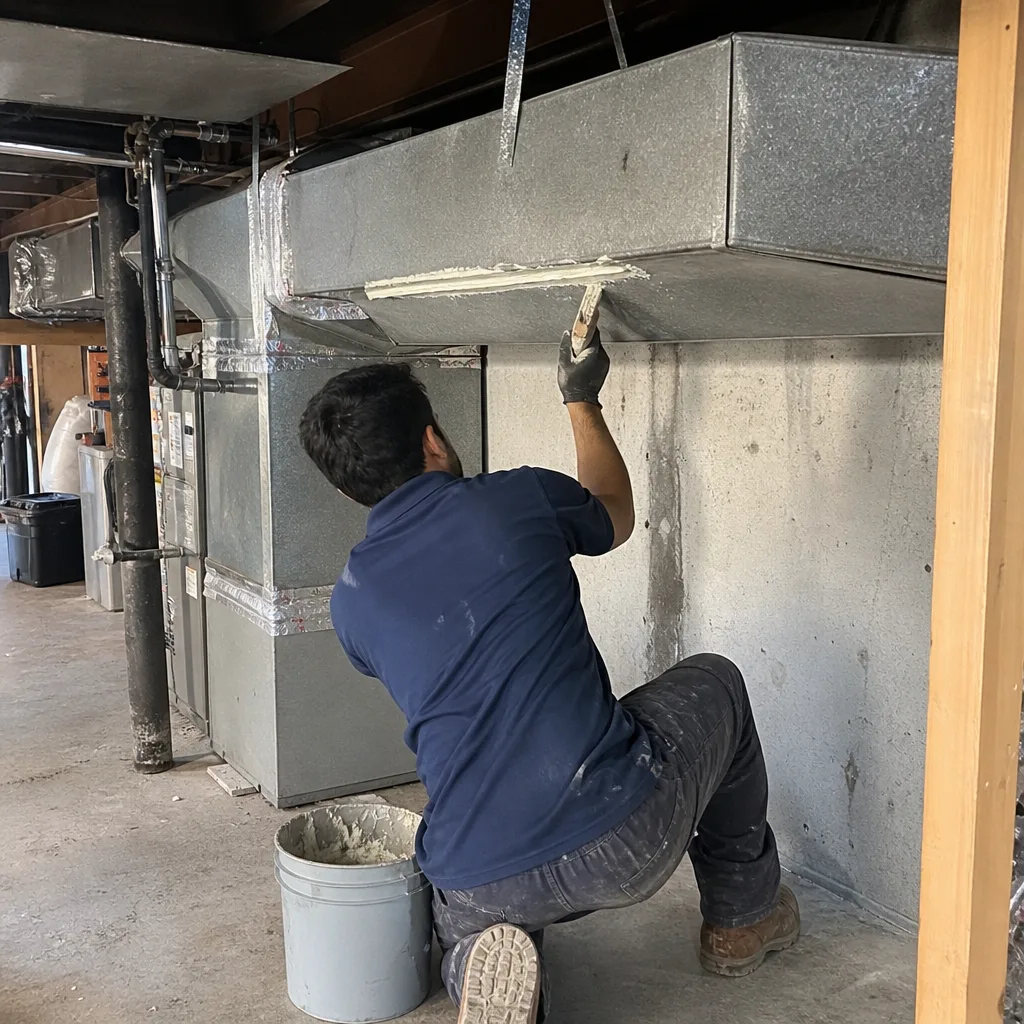
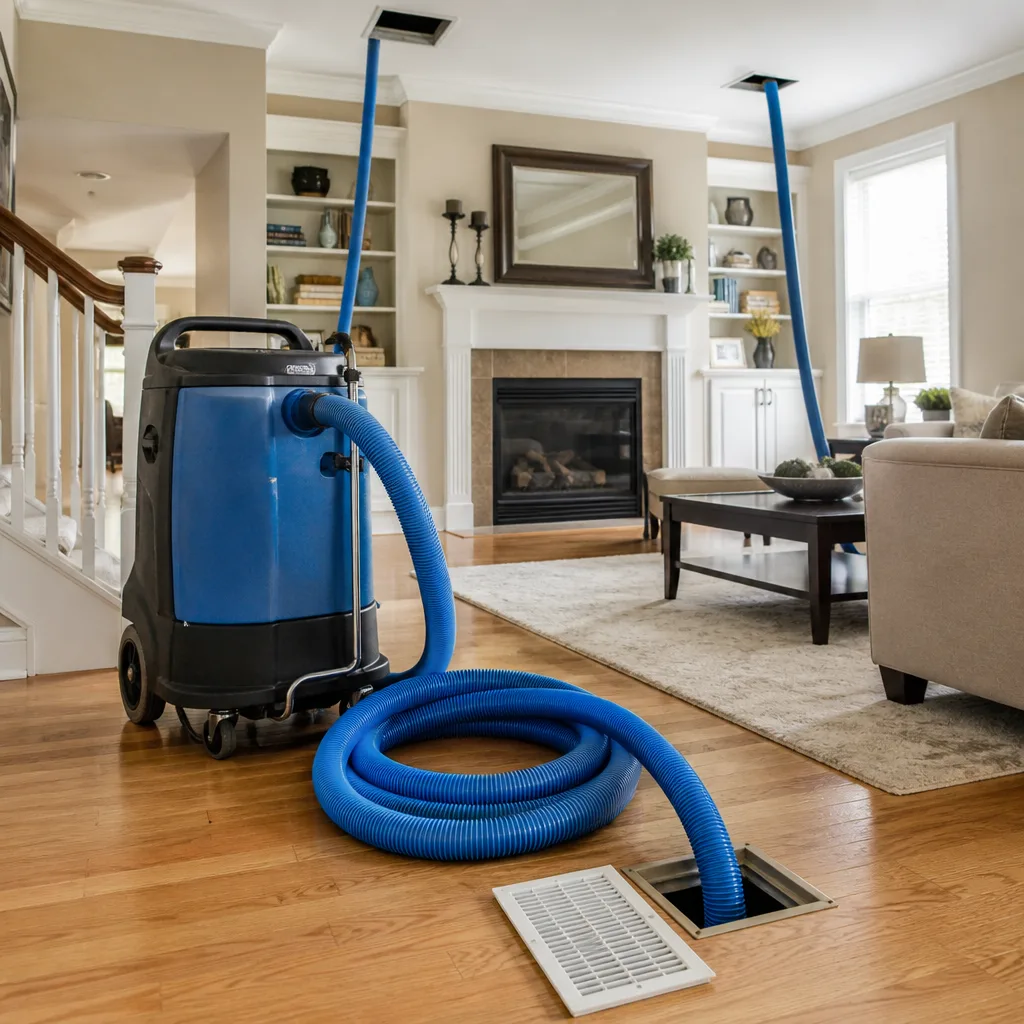 Whole-home duct cleaning
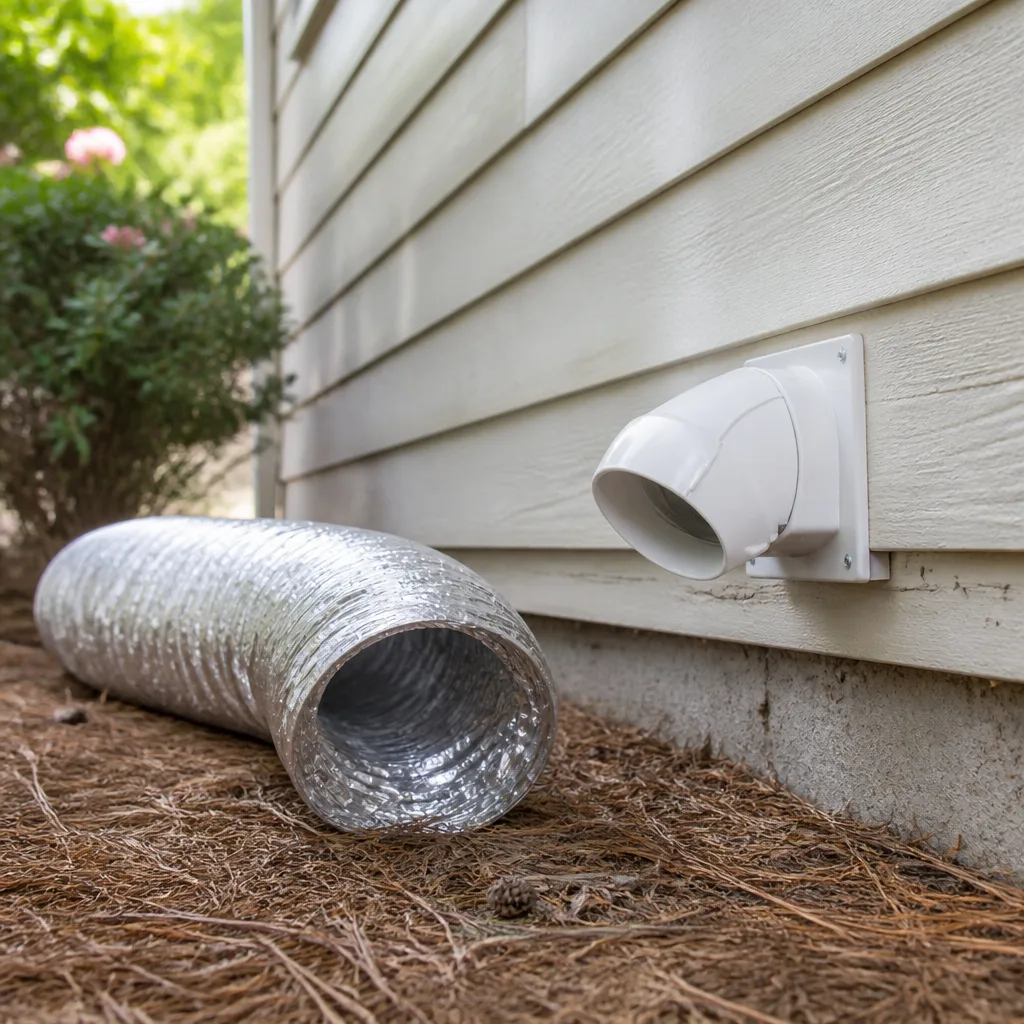 Dryer vent cleaning
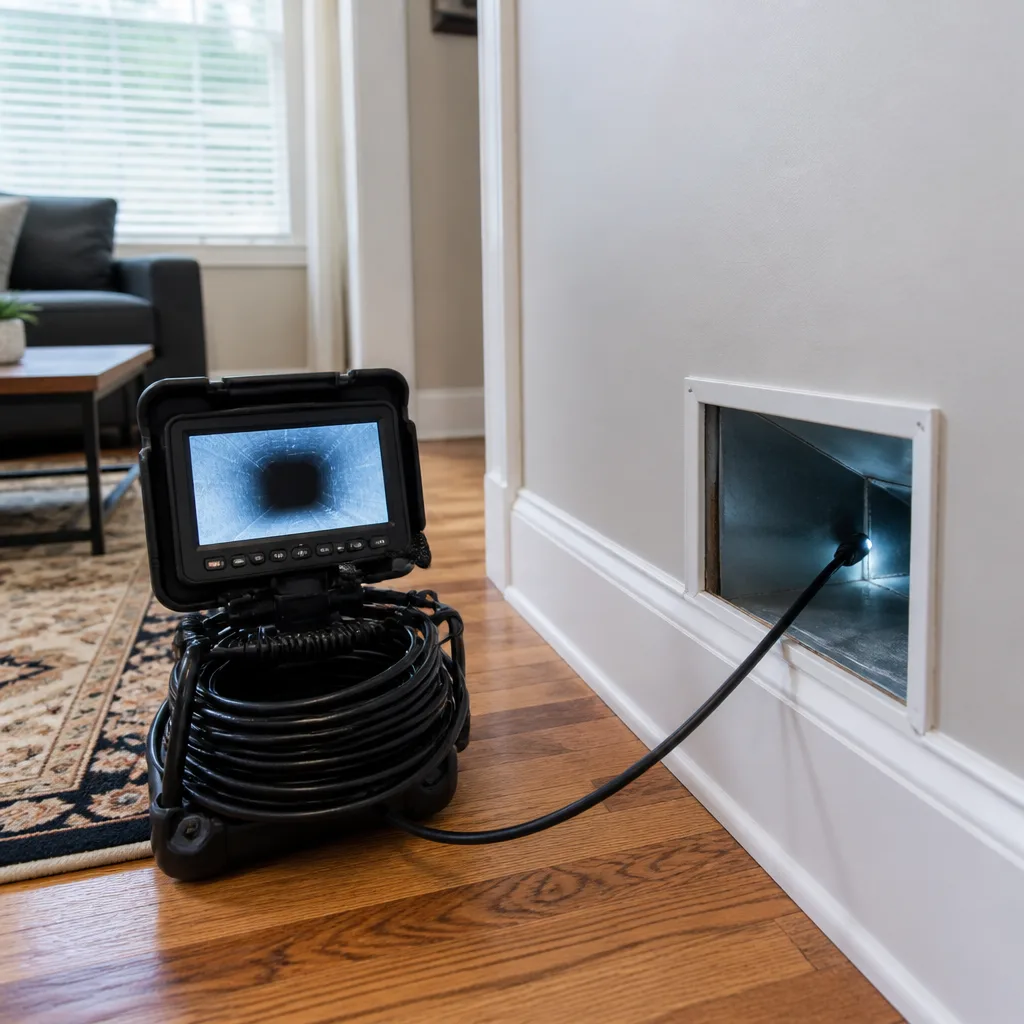 Camera inspection
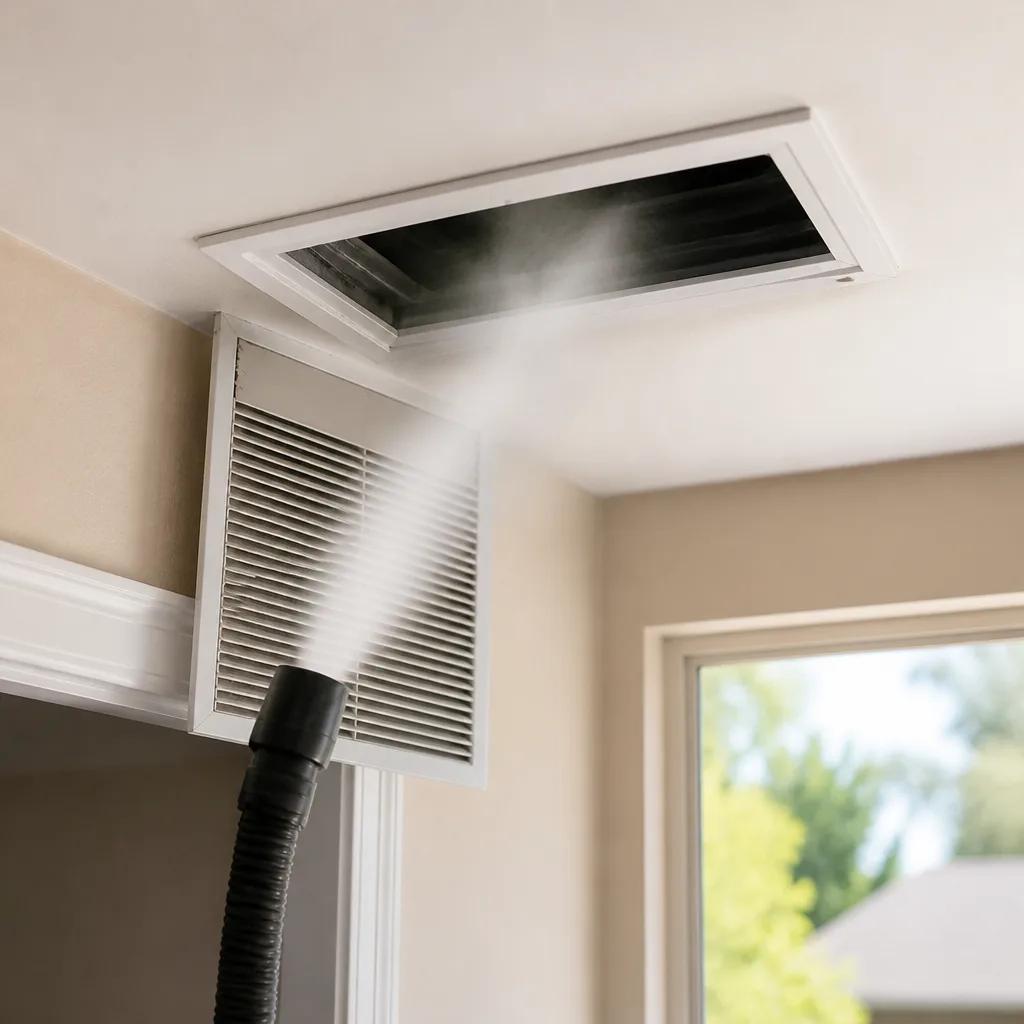 Sanitizing & deodorizing
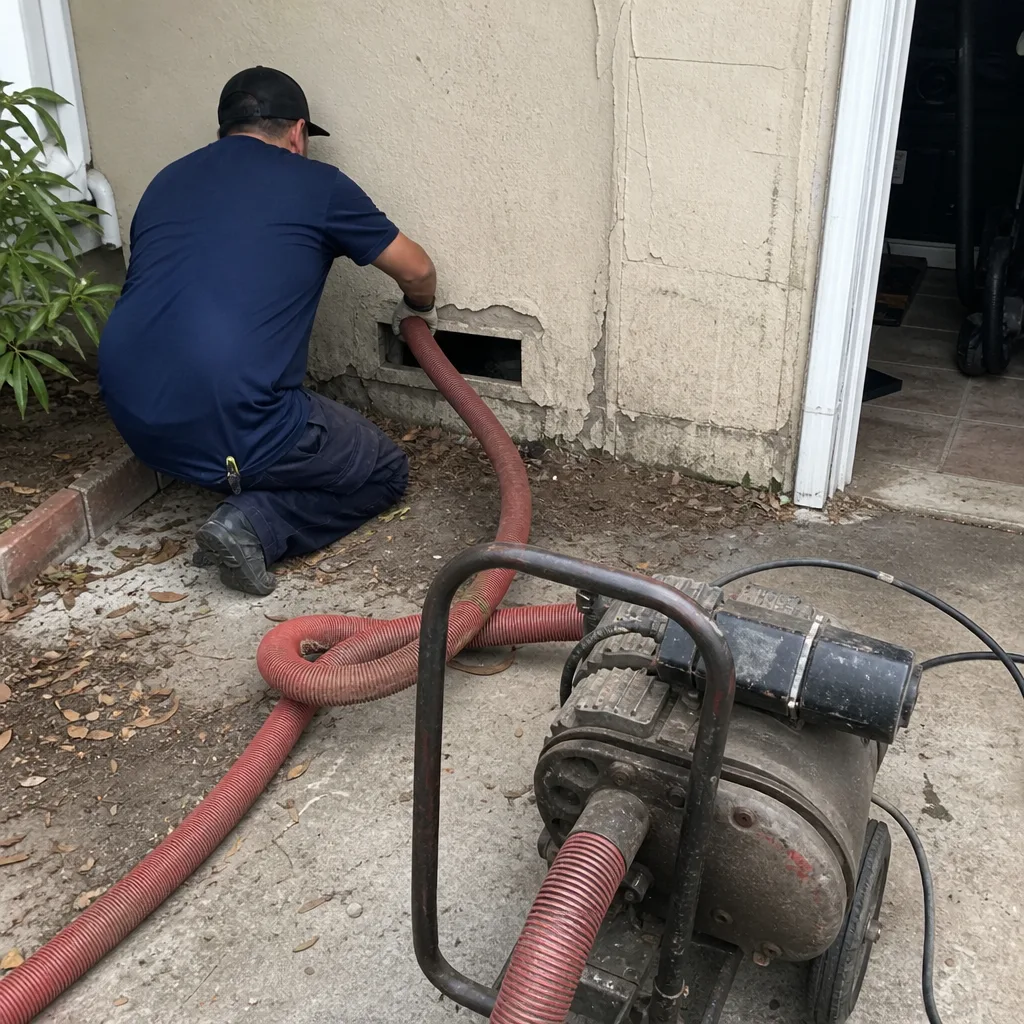
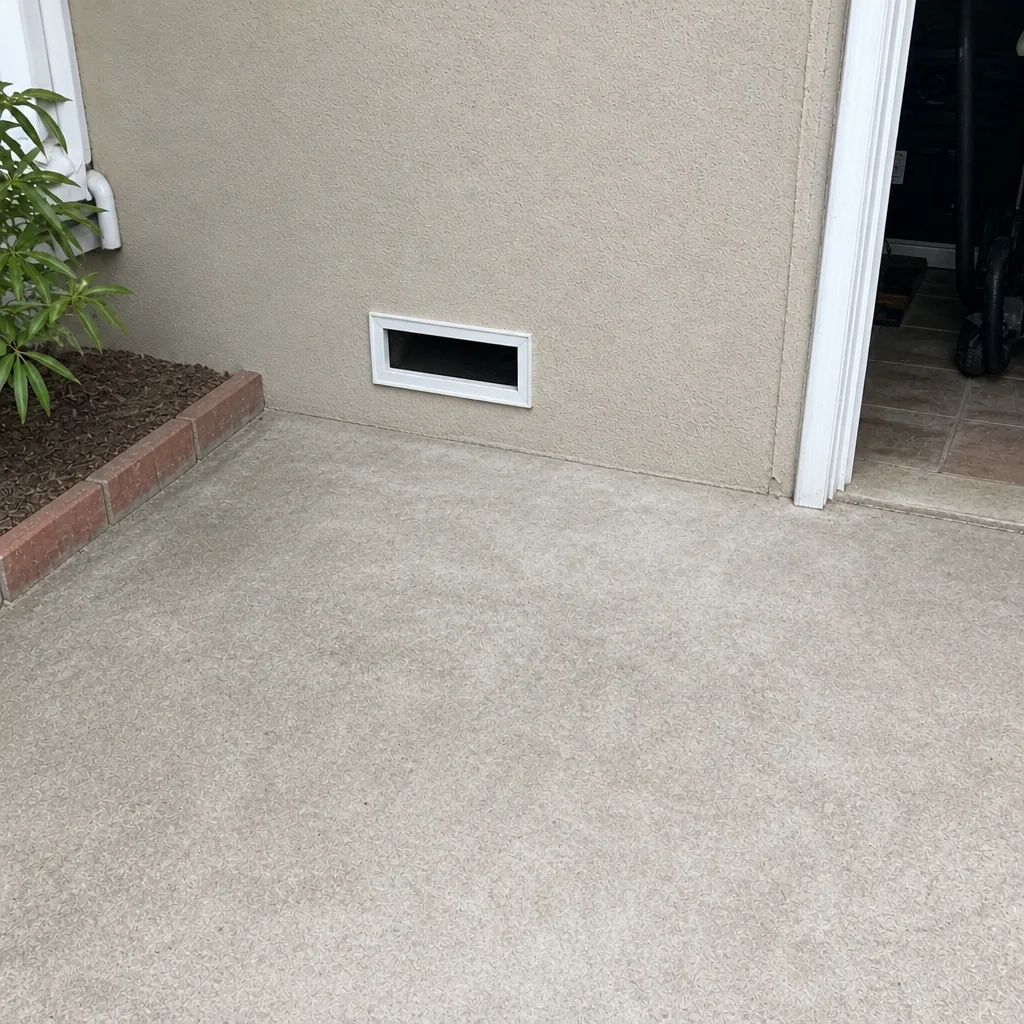
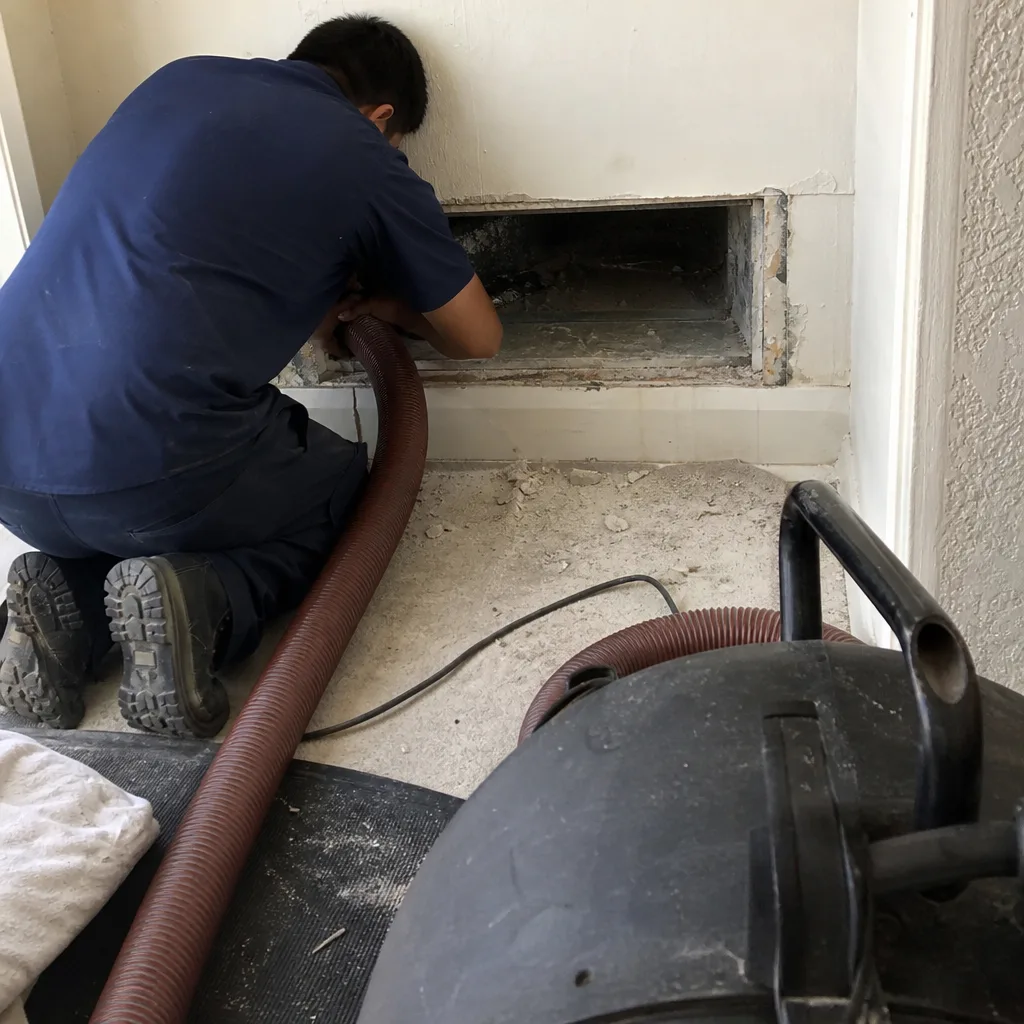
Whole-system duct and dryer vent check with before-and-after photos - you see exactly what came out of your vents
That "$99 whole-house special" is a bait ad - the real number appears once they are in your hallway, or the "clean" is a shop-vac at the register. We photograph the inside of your ducts before and after instead.
Air Duct Cleaning Permits, Codes & Inspections in Huntington Beach, CA: What You Need to Know
Most homeowners treat duct cleaning as maintenance that never touches the permit office. That assumption holds for cleaning and fails the moment a technician cuts into the system. A collapsed trunk section that gets opened and patched without a permit can follow the house to closing day, where California’s seller disclosure requirements ask you to describe work done on the property. In Huntington Beach, where a lot of housing predates modern duct design, that gap between “cleaning” and “modification” is where real exposure sits. This guide separates routine cleaning from permitted duct work under California code, explains how Title 24 fits in, and shows what to document so a future sale goes smoothly.
Quick Answer
Cleaning the inside of your ducts does not require a permit anywhere in California. Repairing, replacing, or significantly modifying ductwork may require a permit from the City of Huntington Beach, because the work falls under the California Building Code and the local building department’s authority. Sealing existing joints and minor patches is generally treated as routine maintenance, but anything that adds, removes, reroutes, or substantially alters duct runs should be checked with the city before work starts.
Styles & brands we work with
- Whole-home duct cleaning
- Dryer vent cleaning
- Camera inspection
- Sanitizing & deodorizing
Table of Contents
- Cleaning vs. Repair: Where the Permit Line Sits in California
- When Duct Sealing Crosses Into Permitted Modification
- How to Verify a Contractor Is Pulling Permits When Required
- Title 24 Energy Compliance and Modified Ductwork
- What a Duct-Related Inspection Actually Involves in Huntington Beach
- What to Document Even for a Non-Permitted Cleaning
- Resale Disclosure: Protecting Yourself Years Later
- Why Equipment Quality Matters More Than the Permit
Cleaning vs. Repair: Where the Permit Line Sits in California
The distinction is simpler than the paperwork makes it sound. Cleaning removes debris from a system that stays physically the same. Repair and replacement change the system, and change is what the building code cares about. California’s building code is adopted and enforced locally, which means the City of Huntington Beach building department is the authority that decides what needs a permit in your home. We’ve seen homeowners assume the answer is universal when it depends on the scope of work in front of them.
Here’s how the two categories usually break down:
- No permit typically required: source removal cleaning with a contact vacuum and negative pressure, sanitizing, dryer vent cleaning, filter and register cleaning, and inspection of the system. The duct layout and materials stay as they were.
- Permit may be required: replacing a section of rigid duct, adding a new branch run to serve a remodeled room, rerouting ductwork to resolve a design problem, changing duct material, or relocating supply and return connections. Anything that changes the physical configuration of the system is worth a call to the city.
- Case-by-case: patching a single hole cut for access, sealing seams, and reconnecting a dislodged joint. These are often handled as maintenance, but if the repair is part of a larger alteration it can get folded into a permit.
The practical rule we give Huntington Beach homeowners: if a technician is going to open the duct system, alter its routing, or install anything new, ask whether a permit applies before the cut is made, not after. A short call to the city’s building department usually settles it. For a straight cleaning visit with no structural change, air duct cleaning, there’s normally nothing to file.
One nuance matters for older homes near the Bolsa Chica and Oak View areas, where original systems have had decades of small changes layered on by previous owners. A duct run that looks original may already carry unpermitted work. Before we repair a section like that, we recommend a quick records check at the city so the next permit doesn’t inherit someone else’s problem.
When Duct Sealing Crosses Into Permitted Modification
Sealing is the fuzzy area, and it’s where most arguments start. Mastic brushed onto seams, foil tape on a joint, and aerosol sealant sprayed through the system are all routine maintenance when they close existing leaks. They become something the city may want to see when the sealing is part of a larger change to the ductwork or when the work alters system capacity in a way documented on a permit.
What separates the two in practice:
- Routine maintenance sealing: closing gaps at joints, boots, and plenum connections without changing the size, number, or routing of ducts. This is a standard part of a professional visit and addresses energy loss at the source.
- Sealing that may need a permit: sealing as part of a duct replacement project, sealing in connection with a system redesign, or any job where the scope of the overall work already requires a permit.
The reasonable move is to ask the contractor to put the scope in writing before any work starts. A written scope that says “seal accessible joints and boots throughout the system, no duct runs added or removed” tells you clearly that it’s maintenance. If the scope includes replacing duct sections or rerouting runs, treat that as permitted work until the city says otherwise. Because we handle duct repair and sealing in the same visit as cleaning, we bring the permit question up early so the job scope is clear.
We also recommend that homeowners keep a copy of the written scope on file alongside the invoice. It’s a small document that goes a long way if a future buyer or their inspector has questions about what was actually done in the attic or crawlspace. That practice protects the homeowner more than any verbal assurance over the phone.
How to Verify a Contractor Is Pulling Permits When Required
Verification is not complicated, but it does require asking before the work starts. In Huntington Beach, permit records are public and searchable through the city’s online permit portal or by calling the building department directly. A contractor who pulls a permit when one is required will have it on file with the property address, and you can search for it by address.
Here’s a sequence we recommend to any homeowner, whether they use us or anyone else:
- Ask the contractor whether the scope of work requires a permit, and ask them to explain why or why not. A clear answer indicates someone who knows the code; a vague one is a warning sign.
- If a permit is required, ask who is pulling it and get the permit number in writing before work starts.
- Call the City of Huntington Beach building department or check the online portal and confirm the permit exists against your property address.
- After the job, keep a copy of the permit, the inspection sign-off, the written estimate, and before-and-after photos of your system.
- If a contractor tells you a permit isn’t necessary but you aren’t sure, call the building department yourself. That call is free and takes minutes.
We’re direct about this: a contractor who resists pulling permits when the scope clearly requires one is a liability risk to the homeowner. The reason is straightforward. Unpermitted work that later fails inspection or surfaces during a sale can cost the homeowner time and money to remediate, and in some cases it voids parts of a homeowner’s insurance coverage because the modifications weren’t disclosed or inspected. The local pro we connect you with is licensed and insured as their state requires, and should be the first person to raise the permit question, not the last.
Huntington Beach has a range of housing stock, from mid-century properties downtown near the pier to newer construction in Edison and along the Santa Ana River corridor. A contractor who works across that mix regularly knows when each job crosses the line. Ask them how often they pull permits for duct work. If the answer is never, ask why.
Title 24 Energy Compliance and Modified Ductwork
California’s Title 24 energy standards govern how ductwork is designed, sealed, and insulated in the state. For existing homes, the standards mostly apply when a homeowner replaces ductwork or makes a significant modification, not when they clean it. But the moment a large section of duct is removed and replaced, the new ductwork has to meet the efficiency and sealing requirements in the code as it applied at the time of the work.
What this means practically for Huntington Beach homeowners:
- New duct replacement in an existing home: the replacement ducting should meet Title 24 requirements for sealing and insulation. A permit will typically trigger this review as part of the process.
- Minor repair or substitution of a section: the standards may or may not apply depending on the scope and how the local building department interprets them. This is another reason to call the city early.
- Cleaning, sanitizing, dryer vent work: not a Title 24 matter. These are maintenance services.
Part of what makes this worth understanding is that duct leakage is real energy waste. When a system leaks a meaningful share of its conditioned air into an attic or crawlspace, the HVAC equipment has to work harder for the same result. That shows up on the bill and can also show up in indoor air quality when the leaks pull dust and humidity into the ducts from the wrong side. Sealing and repairing the ductwork addresses that at the source. The systems we use, including Abatement Technologies air-quality equipment for contaminant capture, are the same class of gear that remediation work relies on, and we pair cleaning with Honeywell and Aprilaire air-quality products for filtration and purification. If your system is a candidate for replacement rather than repair, we’ll tell you honestly so you can plan for the permit and Title 24 review.
What a Duct-Related Inspection Actually Involves in Huntington Beach
A duct-related inspection is not a knock-down, tear-open event. It’s a building inspector reviewing the work described on the permit against what’s actually been installed. For duct work, the inspector is typically looking at material compliance, sealing at joints and connections, routing and support, and whether any altered portion meets the energy code requirements that applied when the permit was pulled.
What we tell homeowners to expect:
- Scheduling: the contractor pulls the permit and schedules the inspection. Timing depends on the city’s inspection calendar, so plan the job accordingly rather than expecting a next-morning slot.
- Access: the inspector needs access to the work. That means attic hatches, crawlspace entries, and mechanical closets should be clear and reachable.
- Documentation: the permit should be on site or accessible, and any material specs should be available if the inspector asks.
- Sign-off: once the inspection passes, the permit is closed on record with the city. You should receive the sign-off in writing.
One common surprise: the inspection does not usually cover the cleanliness of the ducts. An inspector is checking code compliance, not whether you need HVAC cleaning. Those are separate concerns, and pairing them is a scheduling convenience rather than a code requirement. If you want both done, it’s usually smarter to do the cleaning first so the inspection covers a system that’s ready.
The other surprise we see is that homeowners sometimes mistake “the city has no record of a permit” for “no permit was needed.” That’s a false equivalence. It might just mean nobody pulled one. The city’s records search tells you what was filed, not what the code required.
What to Document Even for a Non-Permitted Cleaning
Cleaning visits don’t generate paperwork with the city, but that doesn’t mean you should skip documentation. The best protection for a homeowner is a written record of what was done, when, and by whom, with visual evidence. When the question comes up later, that file is worth far more than a memory of a service call.
Here’s what we suggest keeping on hand after any duct-related visit in Huntington Beach:
- The written estimate and scope: the exact services agreed to, the price for the whole system, and confirmation that the price was set before work started. This is the direct antidote to the bait-and-switch reputation the industry has earned.
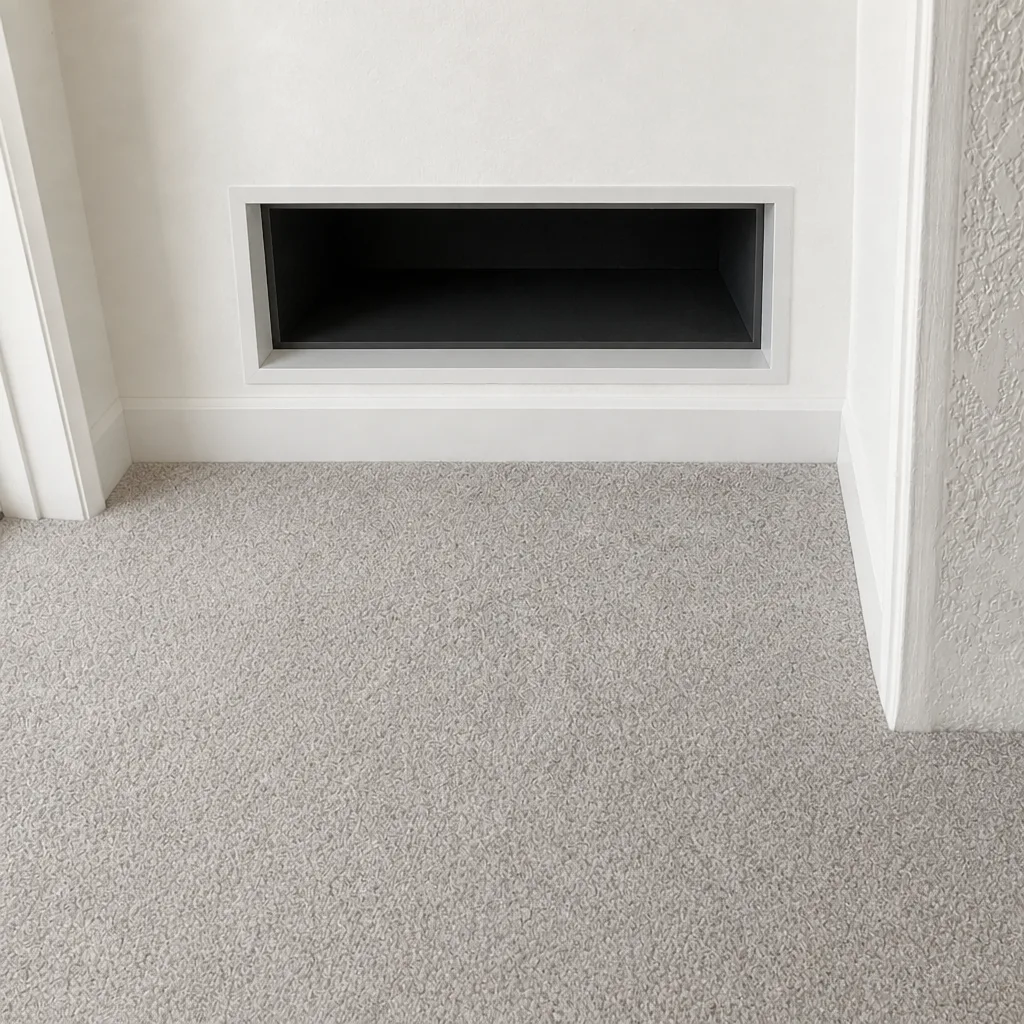
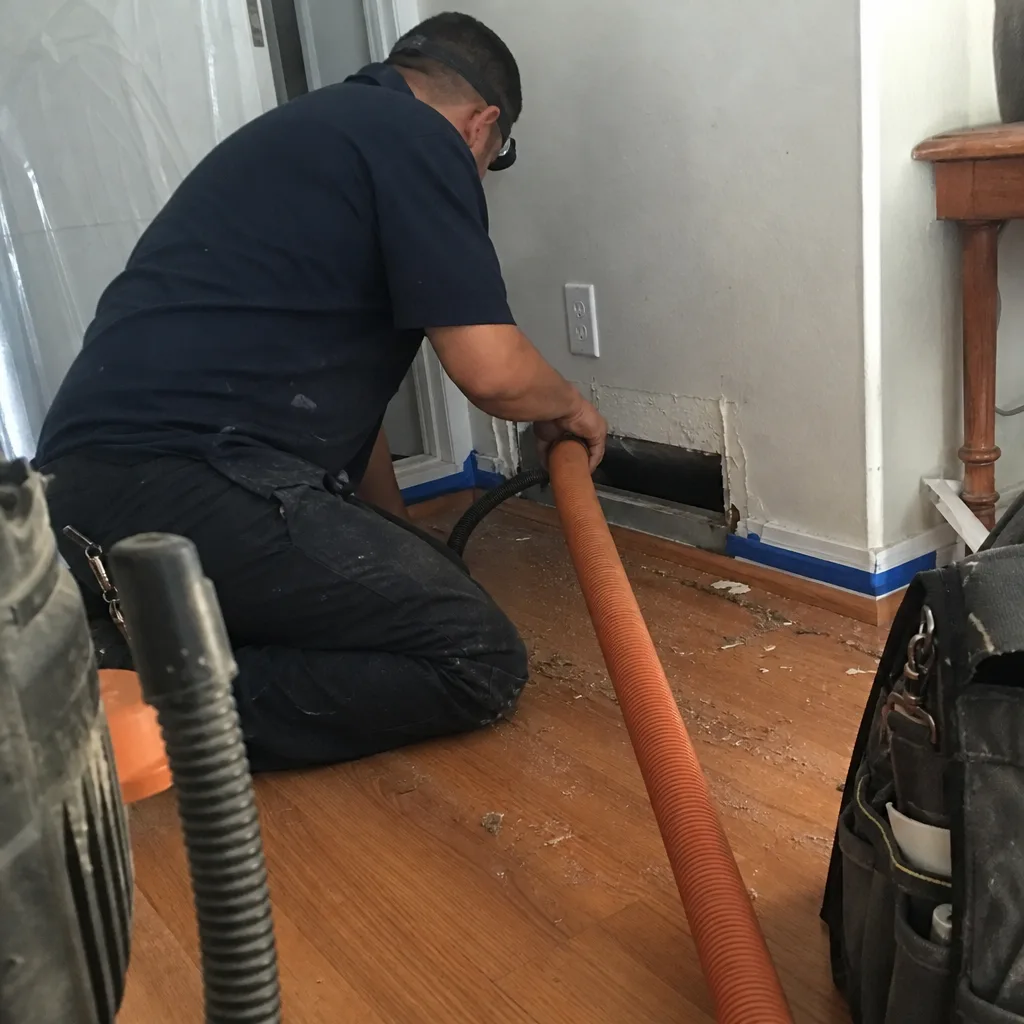
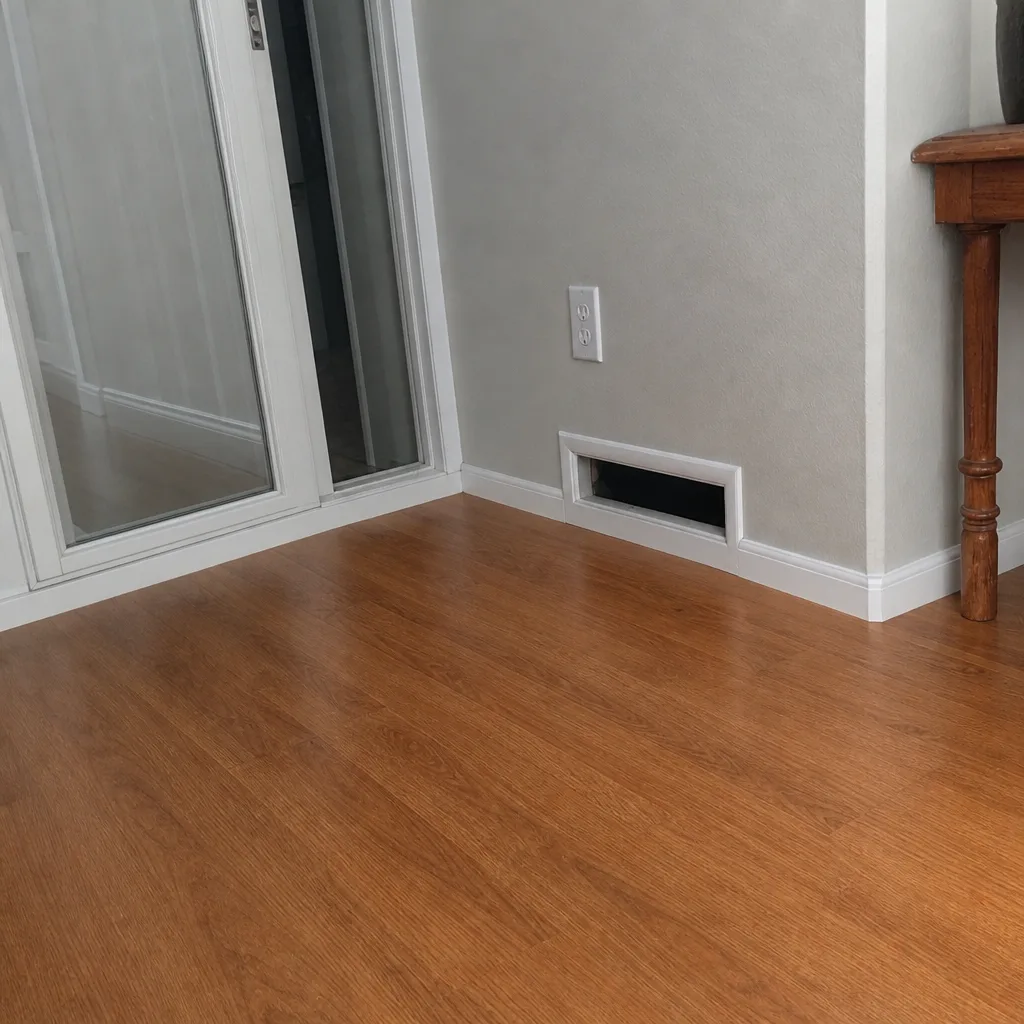
- Before-and-after photos of your own ducts: photos of the interior of the ductwork, the register openings, and the air handler area before and after work. These are visual proof the work happened and show the condition that existed on the date of service.
- The contractor’s information: business name, contact details, and confirmation that the local pro is licensed and insured as their state requires.
- The invoice with a description of work: not just the total, but a line-by-line description of what was done.
- A note or invoice line stating “no permit required” or “permit not applicable” when the scope was maintenance only: a small line that adds clarity for any future review.
If you’re selling a home in Huntington Beach and the buyer’s inspector asks about duct work, having that file on hand answers the question cleanly. It also helps if the buyer’s agent wants to know what was done about dryer vent cleaning, which is a routine safety service but still shows up in inspection reports.
Resale Disclosure: Protecting Yourself Years Later
California’s transfer disclosure requirements are broader than most homeowners assume. When you sell a home, you’re asked to describe material facts about the property’s condition, including any known work done on major systems. Ductwork counts. If a duct system was repaired or replaced, whether under permit or not, that fact can come up during a sale, especially if the work changed the system’s configuration.
What this means in practical terms:
- Documented permitted work is the cleanest case. If a permit was pulled, inspected, and closed, you have a public record showing the work was done correctly. That’s a point in your favor at sale.
- Documented non-permitted work that was clearly maintenance-only carries less weight but still needs to be described honestly if asked. The written scope and invoice are your support.
- Undocumented work is where problems arise. If you don’t know whether a duct repair needed a permit, you can’t answer confidently at sale, and a buyer’s inspector who flags the work may turn a small issue into a price negotiation.
The simplest way to avoid this is to prevent it. Before you agree to any duct work beyond cleaning and sanitizing, ask: does this scope require a permit? Get the answer in writing. If the answer is yes, pull it. If no, keep the scope document. For a broader look at the full range of services, our Huntington Beach Air Duct Cleaning Pros page walks through everything we handle.
There’s a second layer worth noting. Homeowner’s insurance can be affected by unpermitted modifications to a property. This is not universal, and coverage depends on the specific policy, but it’s a real risk when the modification wasn’t disclosed to the insurer. A permitted job means the work has been reviewed against the code, which makes future conversations with an insurer much simpler. It’s one more reason the paperwork is worth the extra step.
Why Equipment Quality Matters More Than the Permit
A permit is a piece of paper that says the work will be reviewed. It says nothing about the equipment that does the work, and equipment is where the difference between a real cleaning and a cosmetic one lives. The most common complaint we hear from Huntington Beach homeowners is that a previous service promised a thorough job and delivered a hose pushed around a register with no contact cleaning. That’s not cleaning; that’s a visit.
Professional duct cleaning uses two things together: a contact method and negative pressure. Rotobrush systems give technicians direct contact with duct surfaces, which is how debris actually comes off. Nikro equipment provides the vacuum and air handling duty that holds the system under negative pressure so loosened contaminants don’t settle elsewhere in the home. Add Abatement Technologies air-quality equipment for contaminant capture and you’re working at the level commercial and industrial facilities rely on, not the level of a consumer blower. Our technicians have up to 9 years of experience with these systems, and the difference shows up in the results, not just in the invoice.
For homeowners in Huntington Beach, two practical takeaways:
- Ask what equipment the contractor uses. “Rotobrush” and “Nikro” are names you can verify. “High-powered vacuum” is not. Ask to see photos of the actual work, before and after.
- Ask whether the price is per system or per vent. A price per vent invites the bait-and-switch. One flat price per system, agreed before work starts, is the way the job should be priced.
Then there’s the question of scope. A cleaning-only provider who shows up with a truck-mounted blower and no brush contact isn’t equipped to spot the leaks, disconnected joints, and sealing problems we routinely find on Huntington Beach homes. Full-scope work is not a marketing angle; it’s what a real cleaning reveals. If the ducts are loose, you clean, seal, and sanitize in one visit. One call, fully resolved.
Common Mistakes to Avoid
- Assuming cleaning covers repair. Cleaning and repair are separate services under the code. If a technician cuts into the system and patches it, you’re in repair territory, and the permit question needs a real answer.
- Letting a contractor talk you out of a permit. A contractor who resists pulling a permit is a liability risk. The city is easy to call; a closing delay or an inspection failure is not.
- Skipping the written scope. A verbal agreement over the phone leaves you with no record of whether the work was maintenance or modification. Get the scope in writing.
- Not keeping before-and-after photos. The industry has a bait-and-switch reputation for good reason. Photos of your own ducts before and after work are the proof you can carry forward.
- Accepting a per-vent quote without a per-system price. A low coupon price can become a much larger invoice once the technician is on site. One flat price per system, agreed before work starts, is the way to shop this service.
- Ignoring the dryer vent. Dryer vent lint is a leading cause of residential fires. Even on a Huntington Beach home with a short vent run, the lint accumulation happens and the cleaning is straightforward.
- Forgetting to check duct sealing before moving on. Buying a cleaning without checking for leaks means leaving energy loss and dust intrusion in place. Ask whether the scope includes sealing, or whether that’s a follow-up.
See the difference
 Before
 After
 Before
 After
 Before
 After
When to Call a Professional
Call a professional when any of the following is true: your ducts haven’t been cleaned and you’re seeing visible dust around registers or persistent musty odors; your HVAC bill has climbed and you suspect leakage from the duct system; you’ve just finished a renovation and the dust in the system is meaningful; you’re selling a home in Huntington Beach and the buyer’s inspector has raised a duct question; you can’t tell whether a repair needs a permit and want someone who knows the code; or you need dryer vent cleaning, which is a routine safety service that most HVAC-only cleaners skip. Huntington Beach Air Duct Cleaning Pros offers free estimates in Huntington Beach and we can walk through the permit question with you before work starts. Call (866) 937-7145. We answer 24/7. Fast dispatch from 7am to 7pm, Sunday through Friday.
Frequently Asked Questions
No. Cleaning the inside of your ducts does not require a permit in Huntington Beach or anywhere in California. Cleaning is maintenance; the system isn’t modified. If a technician cuts into the ductwork to access a collapsed section, however, that repair may fall under a different rule. Ask before the cut is made. Call (866) 937-7145 for an exact quote.
It often can. The City of Huntington Beach building department enforces the California Building Code locally, and repair or replacement that changes the system’s configuration may require a permit. A single-patch repair might be treated as maintenance, while a section replacement or reroute usually needs review. Verify by calling the building department before work starts. Call (866) 937-7145 if you want to talk through the scope first.
Usually not as a stand-alone service. Sealing existing joints, boots, and plenum connections without changing the size, number, or routing of the ducts is routine maintenance. Sealing that’s part of a larger duct replacement or redesign project may be folded into the permit for the broader work. Get the scope in writing so the distinction is clear. Call (866) 937-7145 for an exact quote.
Ask for before-and-after photos of your own ducts, not stock images. The photos should show the interior of the ductwork, the register openings, and the air handler area, with a date and your address attached. A contractor who uses professional-grade equipment and shows you real photos is a different category of service from one who doesn’t. Our estimates are free. Call (866) 937-7145 to set one up.
Most homes go multiple years between cleanings. The frequency depends on pets, dust, recent renovations, and whether the system is sealed. Homes with persistently musty odors or visible dust buildup around registers often benefit from an assessment sooner rather than waiting. There’s no single rule that fits every house; a free estimate gives you the answer for yours. Call (866) 937-7145.
Cheap quotes tend to be per-vent pricing or bait-and-switch pricing, where a low coupon figure grows once the technician is on site. That difference usually comes from equipment. A shop vac is not a Rotobrush and doesn’t have a negative-pressure system holding the dust in. Our estimates are free and the price is set per system before work starts. Call (866) 937-7145 for an exact quote.
Keep the written scope and estimate, the invoice with a line-by-line description, before-and-after photos of your own ducts, and the contractor’s contact information. If a permit was involved, keep the permit and inspection sign-off as well. That file protects you at resale and makes any future insurance conversation easier. Call (866) 937-7145 if you want us to include a permit-status note in your paperwork.
The Bottom Line
Cleaning your ducts doesn’t need a permit; changing them might. That’s the divide worth remembering in Huntington Beach. Seal and sanitize as maintenance, but treat any cut-and-replace work on your ductwork as permitted territory until the city says otherwise. Verify permits by address through the City of Huntington Beach building department, keep a written scope and photos on file, and treat a contractor who resists pulling permits as a warning sign. For a free estimate that covers cleaning, dryer vent work, HVAC cleaning, and duct repair and sealing in one scope, call (866) 937-7145. We answer 24/7. Fast dispatch from 7am to 7pm, Sunday through Friday.
Written by the team at Huntington Beach Air Duct Cleaning Pros.