
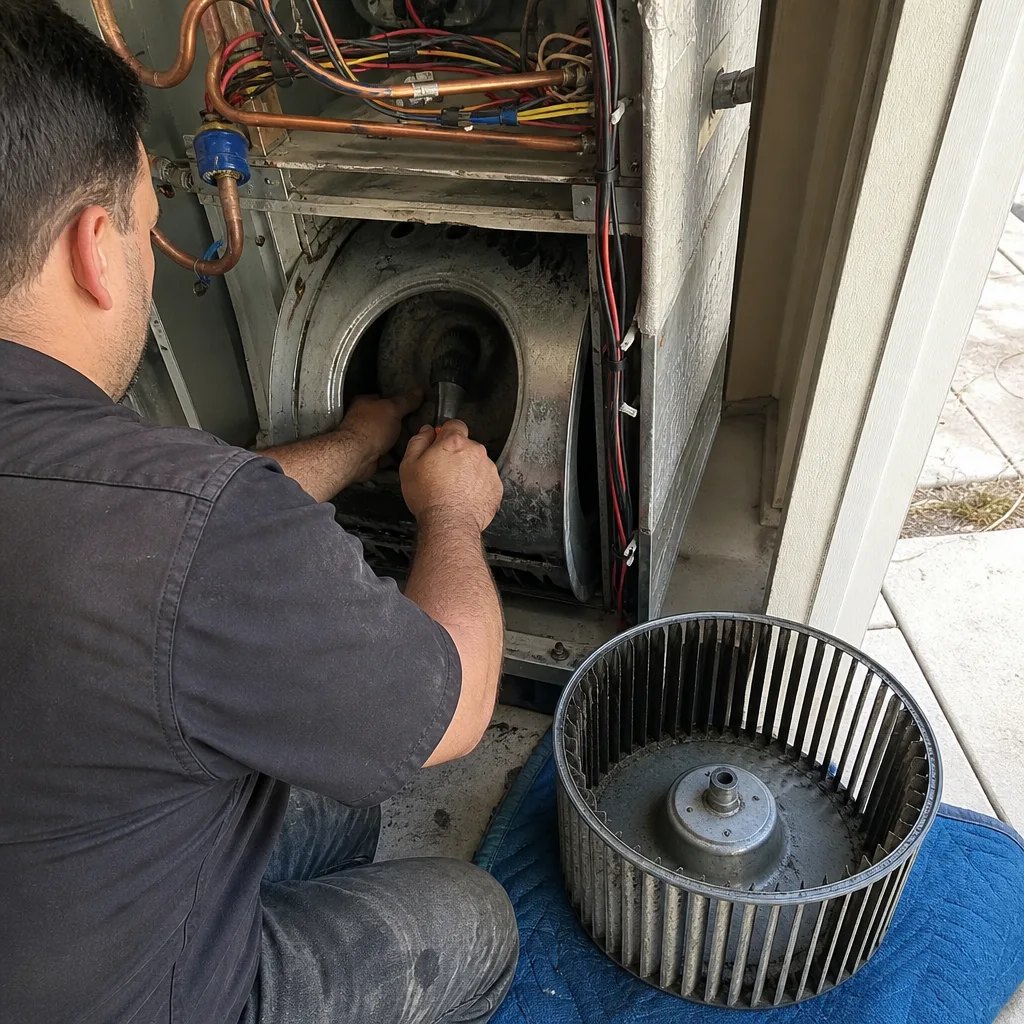
Last updated November 24, 2026
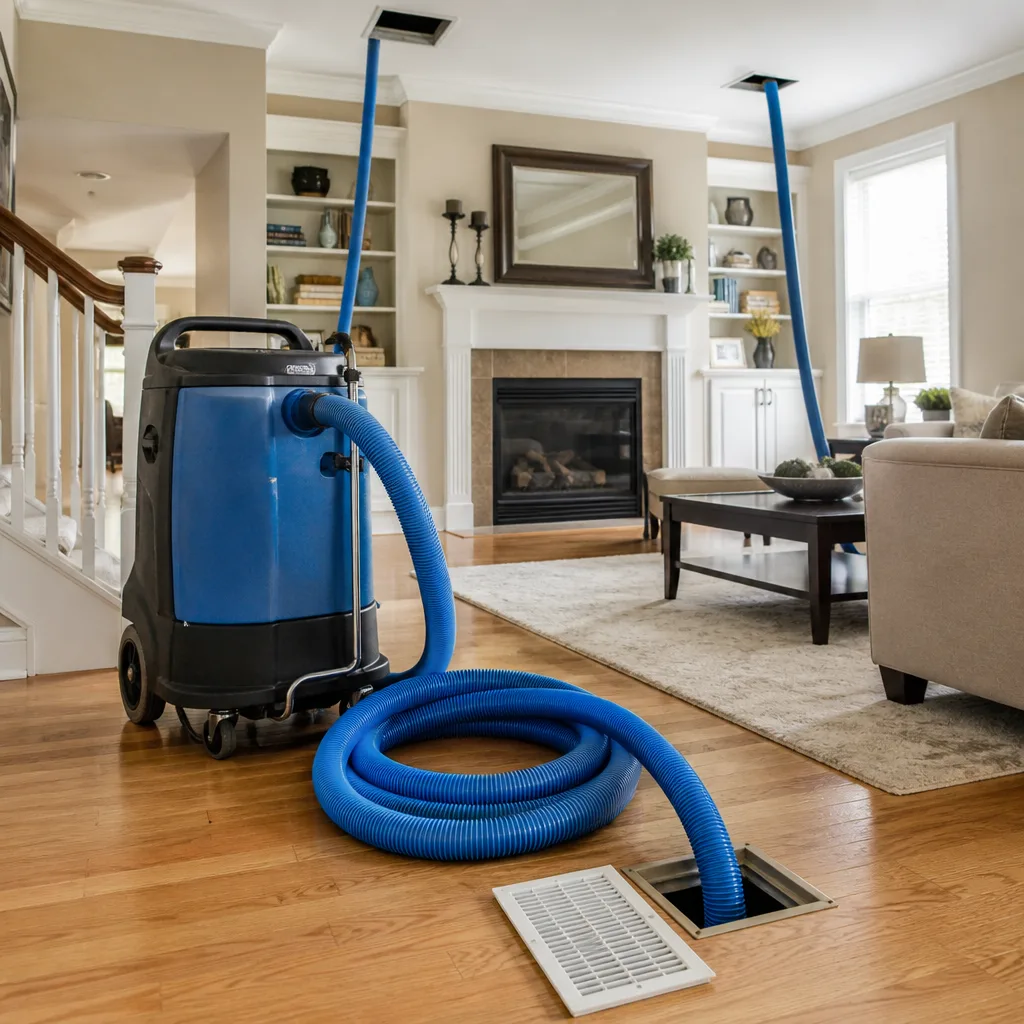 Whole-home duct cleaning
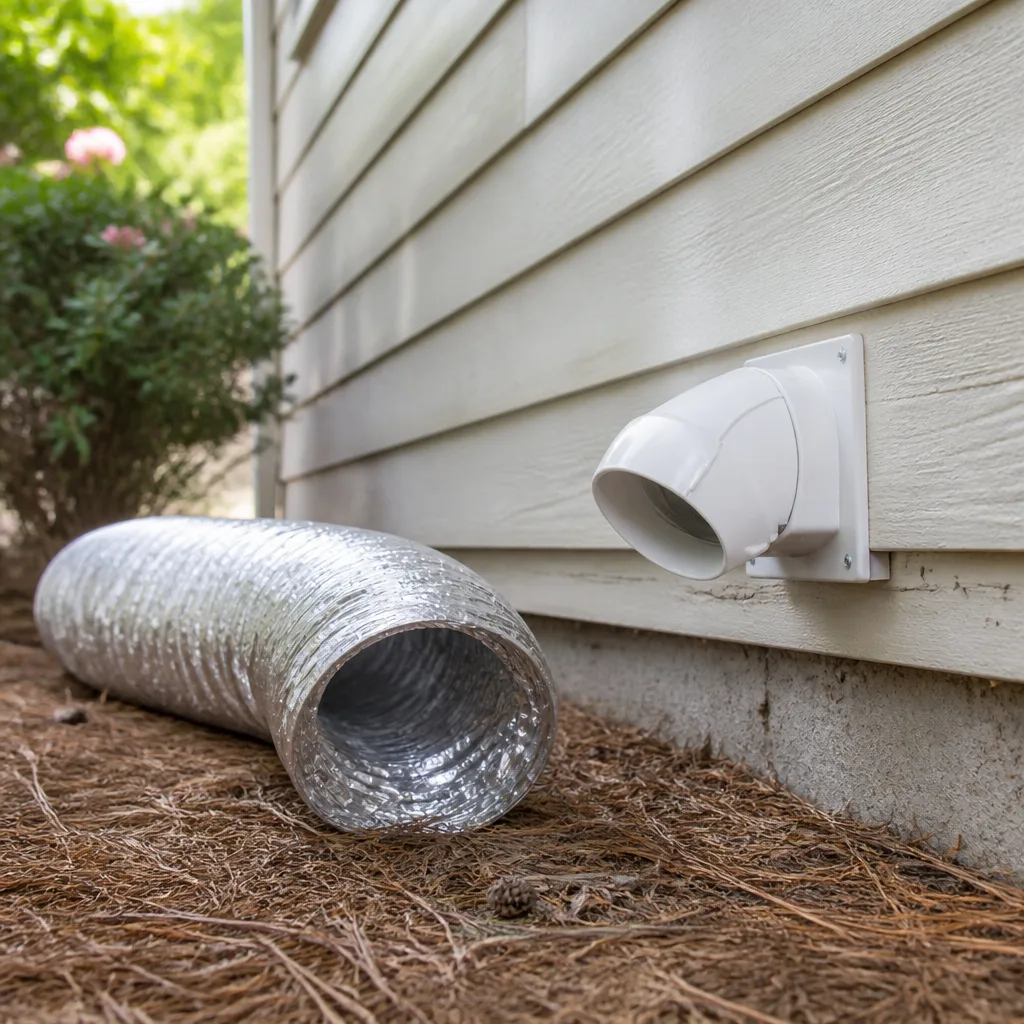 Dryer vent cleaning
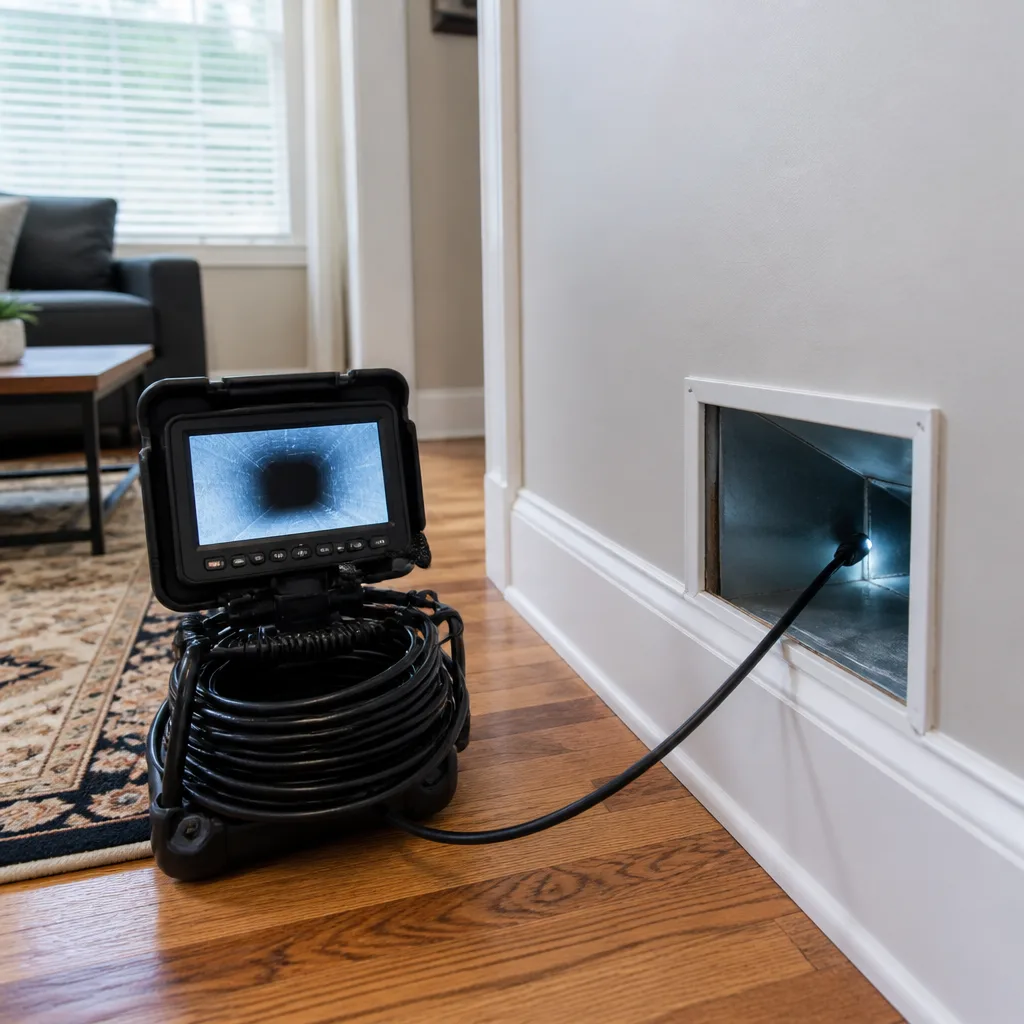 Camera inspection
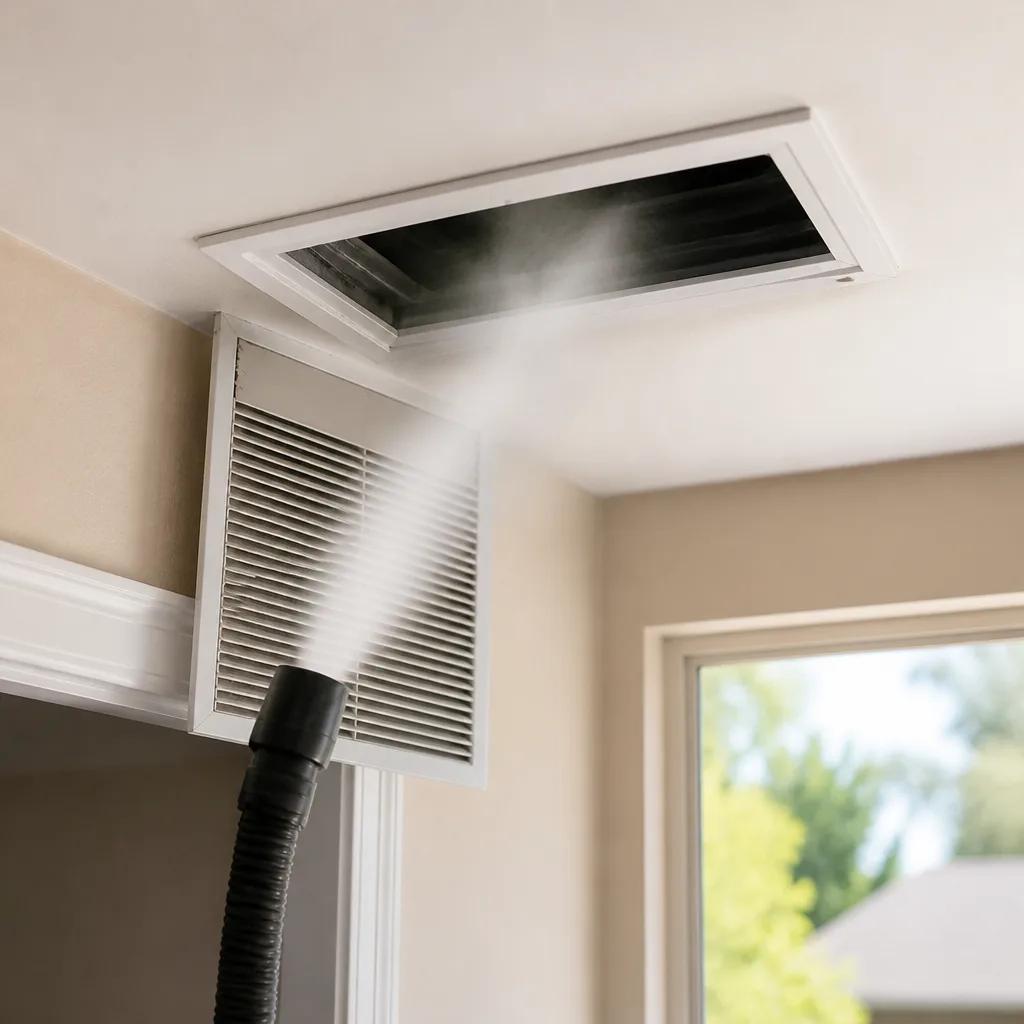 Sanitizing & deodorizing
Whole-system duct and dryer vent check with before-and-after photos - you see exactly what came out of your vents
That "$99 whole-house special" is a bait ad - the real number appears once they are in your hallway, or the "clean" is a shop-vac at the register. We photograph the inside of your ducts before and after instead.
DIY vs Professional Air Duct Cleaning: The Huntington Beach Homeowner’s Decision Guide
Here’s the part most duct-cleaning advice skips: a shop vac and a drill brush can make your indoor air worse, not better. Consumer setups move a fraction of the air volume and pull far weaker vacuum than a professional system, so instead of capturing debris, they stir it up and push it back into the rooms you live in. That’s the opposite of cleaning. We wrote this guide for Huntington Beach homeowners who’ve either been burned by a cheap coupon job or are weighing whether to rent equipment and try it themselves. You’ll learn what actually determines whether duct cleaning works, what you can safely handle on your own, and where DIY crosses the line into damage. Huntington Beach homes have their own wrinkles here, and we’ll get to those.
Quick Answer
For most Huntington Beach homeowners, professional air duct cleaning is worth it because the job depends on negative-pressure source removal that consumer equipment can’t match, and a do-it-yourself attempt often loosens debris without capturing it. DIY makes sense only for surface tasks: register cleaning, filter changes, and clearing the dryer vent lint trap by hand. If your ducts are contaminated, damaged, or full of settled debris, call a pro.
Styles & brands we work with
- Whole-home duct cleaning
- Dryer vent cleaning
- Camera inspection
- Sanitizing & deodorizing
Table of Contents
- Why DIY Duct Cleaning Usually Fails
- The Physics of Negative Pressure, Explained Simply
- What You Can Legitimately Do Yourself
- When a DIY Attempt Causes Damage
- DIY Cost vs Professional Cost: The Real Math
- Why Huntington Beach Homes Are Especially Vulnerable
- What a Professional Job Actually Involves
- Keeping Your Ducts Cleaner Between Visits
Why DIY Duct Cleaning Usually Fails
Duct cleaning isn’t about reaching into a vent and pulling out dust. It’s about putting the entire duct system under negative pressure and keeping it there while you agitate the debris loose, so every particle travels toward the collection point instead of into your rooms. That’s the whole method. Remove the negative-pressure piece and you’re just stirring a settled layer of dust back into suspension.
The equipment gap is genuinely large. A consumer shop vac generates a modest amount of suction at the hose end, and it loses most of that the moment you add a long flexible brush attachment. A professional system like the Rotobrush is built around contact cleaning and high-volume extraction working together. It brushes the duct wall and pulls the loosened material into a filtered vacuum at the same time, in the same pass.
Then there’s containment. Professionals use equipment from companies like Abatement Technologies that captures contaminants at the source, the same category of air-quality gear used in remediation work. That’s the difference between a cleaning and a redistribution.
- Consumer shop vac: low air volume, weak continuous suction, no containment beyond a basic filter.
- Drill brush: spins debris loose with nothing strong enough to catch it.
- Professional contact vacuum: high-volume extraction plus a rotating brush, matched to the duct size.
- Negative-pressure containment: holds the system under vacuum so debris has only one place to go.
We’ve seen plenty of Huntington Beach homes where a prior DIY attempt left dust trails on the supply registers within a week. That’s not a cleaning. That’s contamination that never left the system. If you want the full picture on what a proper visit covers, our air duct cleaning page walks through it step by step.
The Physics of Negative Pressure, Explained Simply
Two numbers decide whether duct cleaning works: airflow volume and static pressure. Airflow is how much air the equipment moves in a given time, and static pressure is the resistance that airflow has to overcome to pull debris out of a long, narrow duct run. Consumer equipment rates high on neither.
The practical result is that a shop vac running down a twenty-foot flex run has almost nothing left at the dust end. You’re brushing a wall and, best case, moving the loosened material a few inches. Worst case, the brush whips up a cloud that settles back down the moment you turn the vacuum off. Meanwhile the supply side of the system can draw that cloud straight into the next room.
Professional equipment is sized for the job. Rotobrush and Nikro systems are designed around the airflow and static-pressure demands of residential and commercial duct runs, and they pair that with containment so the loosened material can’t escape. The static-pressure part is what makes the whole thing work. Without containment, you can brush all day and still leave the system dirtier in the air than it was on the wall.
Here’s how the difference plays out in a typical Huntington Beach home with a conventional forced-air system:
- The technician seals the supply and return openings and connects the extraction equipment.
- The system is brought under negative pressure before any agitation starts.
- A rotating contact brush runs each duct run, agitating the settled layer against the airflow.
- Loose material travels toward the collection point, not into the living space.
- The system stays under vacuum until the run is finished, then the next is prepped.
That sequence matters. If agitation starts before containment, you’ve already lost. That’s why we don’t treat negative pressure as an optional extra; it’s the entire method. And it’s the reason a $200 rental of a shop vac and a brush kit can’t replicate what a professional visit does.
What You Can Legitimately Do Yourself
Plenty of duct-hygiene work is genuinely a homeowner task, and we’d rather you did it well than paid someone for it. The trick is separating surface maintenance from system cleaning. Surface work keeps debris from entering the ducts in the first place; system cleaning removes what’s already inside.
Cleaning the supply and return registers
Pop the register grilles off, wipe them down with a mild soapy solution, dry them fully, and reinstall. Do this a couple of times a year, and any time you’ve had drywall work done. A clean register keeps the visible dust out of the airstream.
Changing filters on schedule
A clogged filter chokes airflow, raises your energy use, and can cause the blower to work harder than it should. Check the filter monthly and replace it when it’s visibly loaded. If you run a higher-MERV filter, check it even more often. Homes on Honeywell or Aprilaire filtration systems have their own filter specifications; follow those. If you’re unsure which filter and interval suit your system, that’s a good question to bring up at your next professional visit.
Dryer vent lint trap
Clear the lint screen before every load. That’s the single easiest fire-safety habit in the laundry room. Removing the lint screen is not the same as cleaning the whole dryer vent run, though, and that distinction matters a lot for safety.
Vacuuming around floor and ceiling registers
A quick pass with a household vacuum around the register openings keeps dust from getting pulled in. This is simple, cheap, and worthwhile.
What you shouldn’t be doing: opening the main trunk line, drilling access holes into ductwork, or running a spinning brush on a drill down a flex duct. Those are the moves that cause damage, and we’ll get to that next. If your laundry vent is overdue, our dryer vent cleaning page covers how the full run gets cleaned safely.
When a DIY Attempt Causes Damage
Flex duct is the soft, foil-and-wire construction you’ll see inside most Huntington Beach attic runs. It’s efficient and inexpensive, and it’s also fragile in ways that aren’t obvious from the outside. A drill brush or a shop vac hose pushed down a flex run can puncture the inner liner, and a punctured liner is a leak that quietly costs you energy for as long as it’s there.
The risk isn’t just tearing. Flex duct is usually wrapped in insulation, and agitating it can dislodge fibers that then travel into the air supply. If your ducts have any settled mold or biological growth, a DIY brush can lift it into the airstream without capturing it. That’s the exact scenario where a homeowner comes home to a musty smell that wasn’t there before the “cleaning.”
- Punctured flex duct: a pinhole or tear through the inner liner leaks air and undermines the system’s efficiency.
- Dislodged insulation: loose fiber material pushed into the airstream is a real respiratory concern and visible at the registers.
- Disturbed settled mold: agitation without containment distributes spores into living spaces instead of capturing them.
- Damaged access points: drilling into a rigid trunk line without resealing can create a permanent leak.
- Bent or crushed duct runs: shoving equipment through a run can compress the duct and choke airflow.
Once flex duct is damaged, the repair isn’t a simple patch; the run usually needs to be replaced or professionally sealed. That’s where the cost of a DIY attempt gets real. If you suspect a leak already, duct repair and sealing is part of the work we do, and it’s worth getting assessed by a technician who can see inside the system.
DIY Cost vs Professional Cost: The Real Math
The DIY math looks great on paper until you add it up honestly. A drill brush kit and a shop vac rental come to a couple hundred dollars, and you’re spending a Saturday morning on your hands and knees in an attic. The professional job typically runs $600 to $900 in the Huntington Beach market for a whole-system clean, with the written estimate setting the final price.
What does the extra money actually buy? Containment equipment, licensed technicians (the local pro we connect you with is licensed and insured as their state requires), a documented before-and-after so you know what was removed, and a cleaning that captures debris rather than redistributing it. The DIY number doesn’t include the cost of a punctured flex run, a torn liner, or a second cleaning to undo the first attempt.
| Approach | Typical Cost | What You Get |
|---|---|---|
| DIY rental + brush kit | $200 – $400 | Surface agitation with weak extraction, risk of duct damage, no containment |
| Professional whole-system clean | $600 – $900 | Negative-pressure source removal, contact cleaning, before-and-after photos, verified result |
| Professional clean + repair + sealing | Quoted per job | Includes leak repair and sealing in a single visit, addressing energy loss at the source |
Notice the third row. A lot of homes that need duct cleaning also have leaks that need sealing; those are two problems and one visit solves both. That’s the argument for full-scope work over a DIY attempt or a cheap coupon job. You’re not just paying for suction; you’re paying to close the loop.
If you’ve been quoted a suspiciously low number by a coupon service, that story is worth understanding before you book. The bait-and-switch playbook is a known problem in this trade, and the honest answer is that a whole-system clean takes real equipment and real time.
Why Huntington Beach Homes Are Especially Vulnerable
Huntington Beach has a large stock of homes built between the 1970s and 1990s, and many of those still have the original flex duct in the attic. Flex duct from that era has usually seen decades of heat cycling, dust accumulation, and the occasional rodent or contractor intrusion. It’s still functional in most cases, but it’s also brittle in ways newer installations aren’t.
That’s why a DIY attempt in a Huntington Beach home is riskier than it looks. The flex runs here are often long, routed through attic crawl spaces, and already showing their age. A spinning brush that would be fine on a brand-new rigid run can abrade the inner liner of a thirty-year-old flex duct on the first pass. Add attic heat to the mix, and the material is even less forgiving than it would be in a cooler climate.
We also see a lot of Huntington Beach homes with decades of settled dust that’s never been professionally cleaned. In that scenario, a shop vac and a brush can lift a layer of material that no consumer-grade filter can hold. You’re not cleaning the system. You’re putting the dust into the air your family breathes.
Then there’s the neighborhood variation. Older tracts closer to the beach and along the inland side both have their share of legacy duct systems, and the humidity swings across the year affect how that dust settles and whether mold can take hold. A duct run that’s been damp is a different cleaning problem altogether. If you’ve noticed a musty smell in any room, that’s the sign to bring in professional help rather than brushing at it yourself. Sanitizing after cleaning is part of what we do; Guardsman surface treatments are built for exactly this.
Huntington Beach homes also tend to run air conditioning or heating year-round, which keeps the system cycling and the dust moving. If your energy bills have crept up and you haven’t had the ducts looked at, that’s worth a professional assessment. Leaks in aging flex duct waste conditioned air, and no amount of DIY vacuuming will fix that.
The bottom line for Huntington Beach: the local housing stock makes DIY duct cleaning a genuinely riskier proposition than in newer construction. The duct systems here mostly predate modern flex quality standards, and the equipment gap matters more because the material can’t take the abuse.
What a Professional Job Actually Involves
A professional visit follows a sequence, and the sequence is what makes it work. We use Rotobrush and Nikro systems paired with Abatement Technologies air-quality equipment. The Rotobrush handles the contact cleaning, the Nikro systems handle the extraction and system-level work, and the Abatement equipment handles contaminant capture. What that combination actually does on a Huntington Beach job:
- Inspect the system, including attic flex runs and register openings, to map what’s actually there.
- Set up negative-pressure containment before any cleaning begins.
- Run the contact brush through every supply and return run, pairing agitation with extraction.
- Clean the air handler, blower, and coil housing as part of the system (see our HVAC cleaning page for that scope).
- Repair or seal any leaks and reseal any access points opened during the work.
- Sanitize surfaces inside the duct system with Guardsman treatment, then reassemble and confirm airflow.
The part most homeowners don’t see coming is the repair-and-seal step. Ducts that get cleaned and left leaky lose the conditioned air that paid for the cleaning. That’s why we fold repair and sealing into the same visit rather than treating it as a separate project. And it’s why our technicians, who have up to 9 years of experience, can look at a flex run and tell you whether it’s salvageable or needs replacing. For more on how the scope fits together across our five services, see Huntington Beach Air Duct Cleaning Pros. The estimate is free and the price is set per job by the written estimate, so you know the number before anything starts.
Dryer vent cleaning is part of the same visit, and it’s not a side note. Dryer vents are a leading cause of residential fires, and most HVAC-only cleaners skip them entirely. If you’re already having the ducts cleaned, that vent run should be on the list.
Keeping Your Ducts Cleaner Between Visits
Once the system is clean, the goal is to keep it that way for as long as possible. Most of that is habits, and none of it requires equipment beyond a household vacuum and a filter schedule.
- Change filters on time. Mark the date on the filter or in your phone. A loaded filter raises static pressure and shortens the life of your air handler.
- Wipe the registers twice a year. A quick pass with a mild cleaner keeps visible dust out of the airstream.
- Vacuum around register openings after any renovation or deep clean.
- Watch for dust trails at registers and return grilles. Recurring dust is usually a sign of leaks or a system that needs another professional look.
- Clear the dryer lint trap every load, and have the full vent run cleaned professionally on a sensible schedule.
- Get the system re-assessed if you notice musty smells, rising energy bills, or increased allergy symptoms.
How often professional cleaning is needed depends on your home, whether you have pets, whether anyone smokes, and whether the system has leaks. Most homes land somewhere in the every-few-years range. Homes near major roadways or in older tracts may need it more often. If you run a premium filtration system from Honeywell or Aprilaire, those systems work better on clean ducts; dirty ducts and premium filtration are a mismatch.
Common Mistakes to Avoid
- Renting a shop vac and calling it cleaning. It doesn’t have the airflow or containment to do the job. You’ll agitate debris without capturing it, and your indoor air gets worse in the process.
- Running a drill brush down flex duct. Old flex liners tear easily, especially in Huntington Beach homes with 1970s – 1990s ductwork. The repair costs more than the cleaning would have.
- Assuming the cheapest quote is the best value. A coupon price that becomes a much larger invoice once the technician is on site is a known pattern. Ask for a flat per-system price agreed before work starts.
- Skipping the dryer vent. A vent full of lint is a fire risk, and it doesn’t get cleaned by the same equipment a duct clean uses.
- Cleaning without sealing. A cleaned system that still leaks wastes the conditioned air you paid to clean. Repair and sealing should be part of the same visit.
- Skipping the before-and-after photos. Verifiable work means evidence. Ask to see the photos of your own ducts, not stock photos.
- Waiting until the system is visibly failing. Once airflow is choked, you’re already behind. If you haven’t had it assessed, book an estimate.
Each of these mistakes is avoidable. The key one, though, is the first. If you take nothing else from this guide, remember that duct cleaning is a negative-pressure operation, and it can’t be done without negative pressure. A homeowner with a shop vac doesn’t have it, no matter how much elbow grease they apply.
See the difference
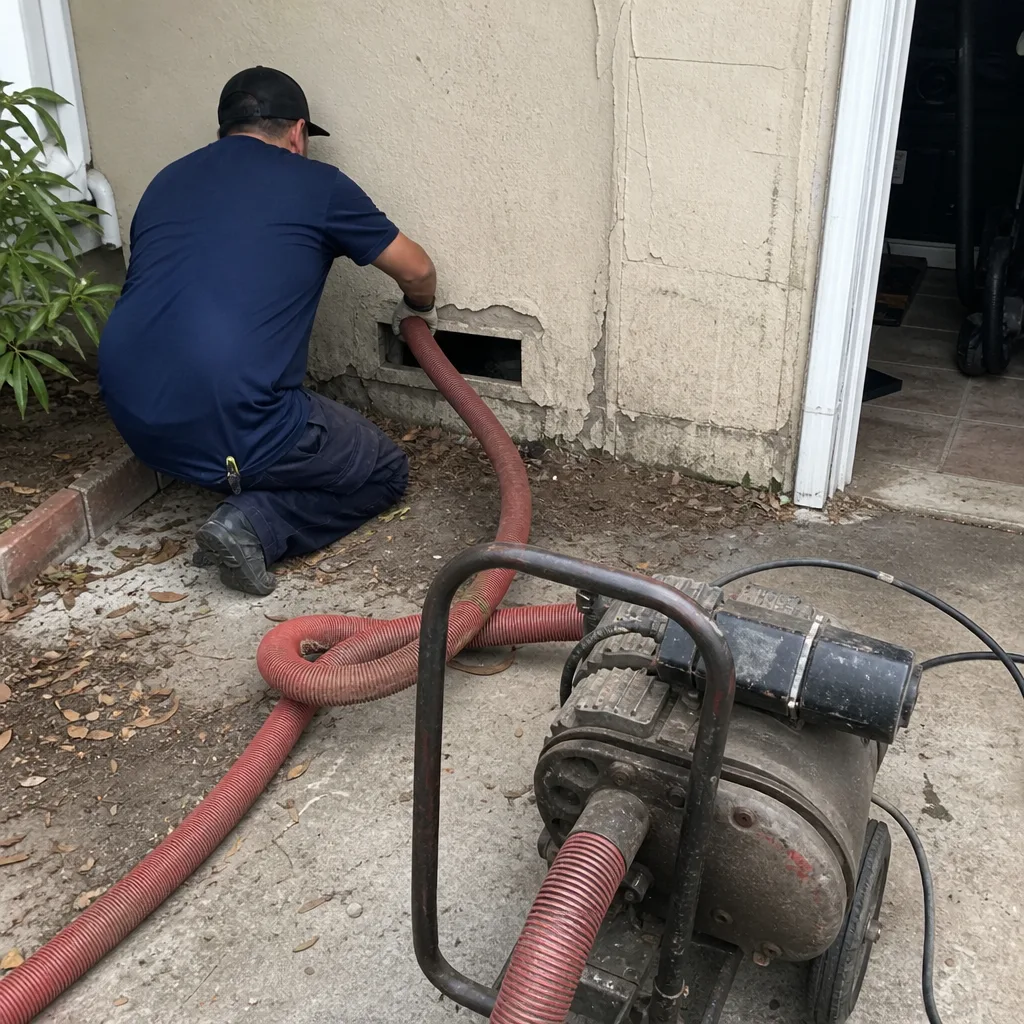 Before
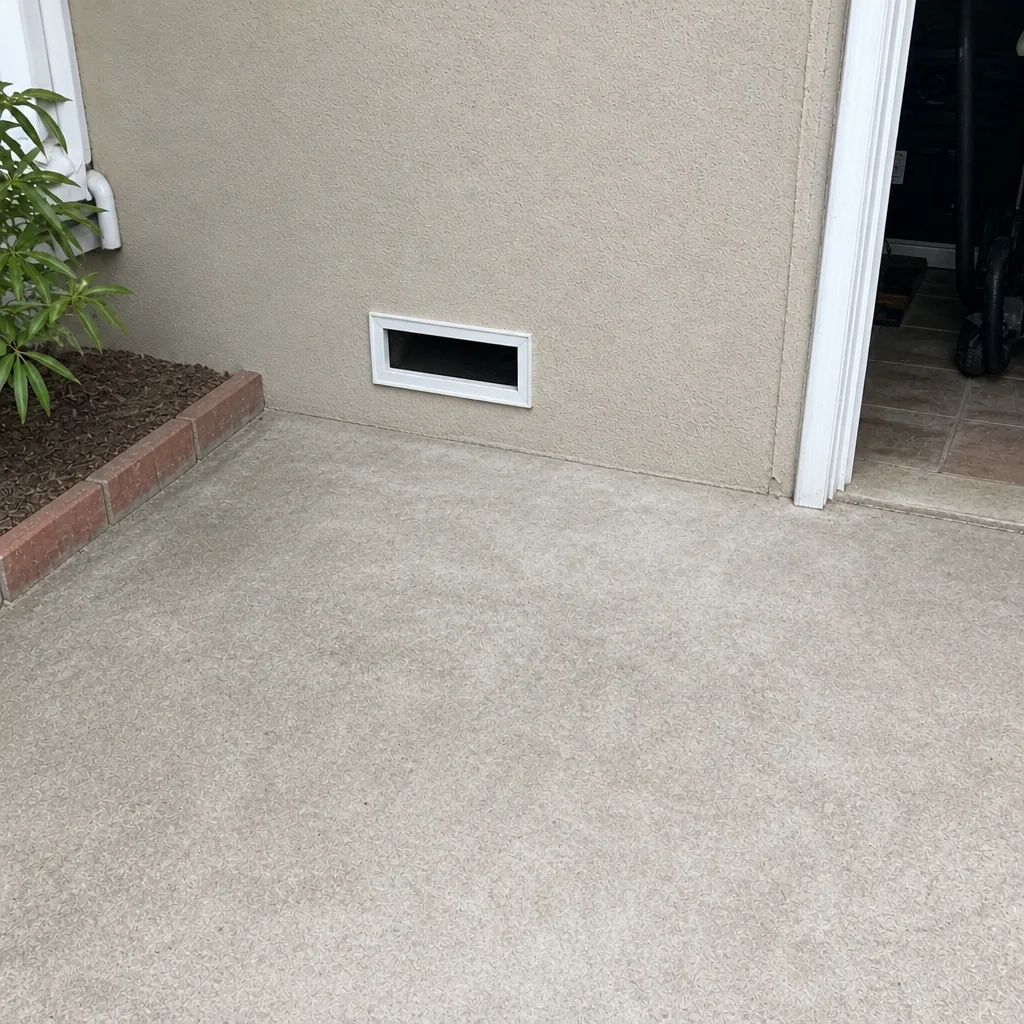 After
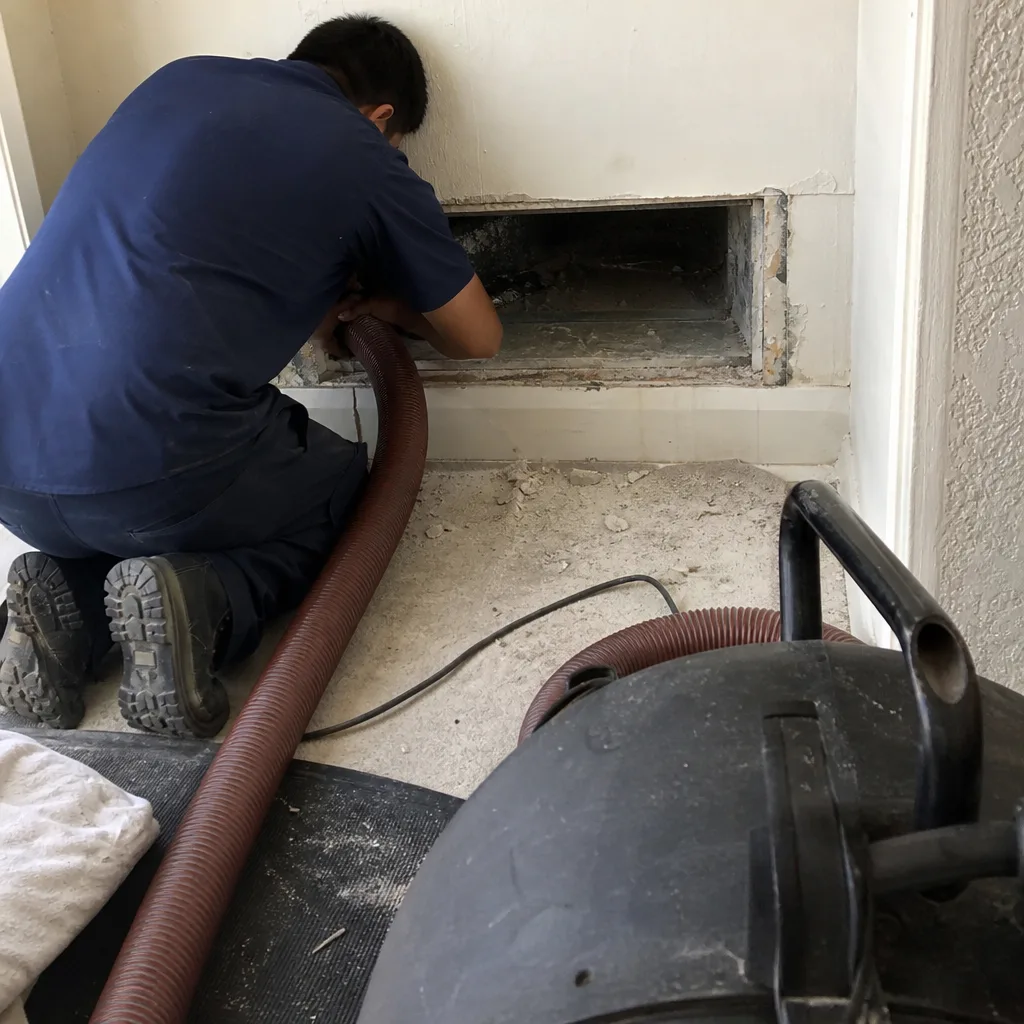 Before
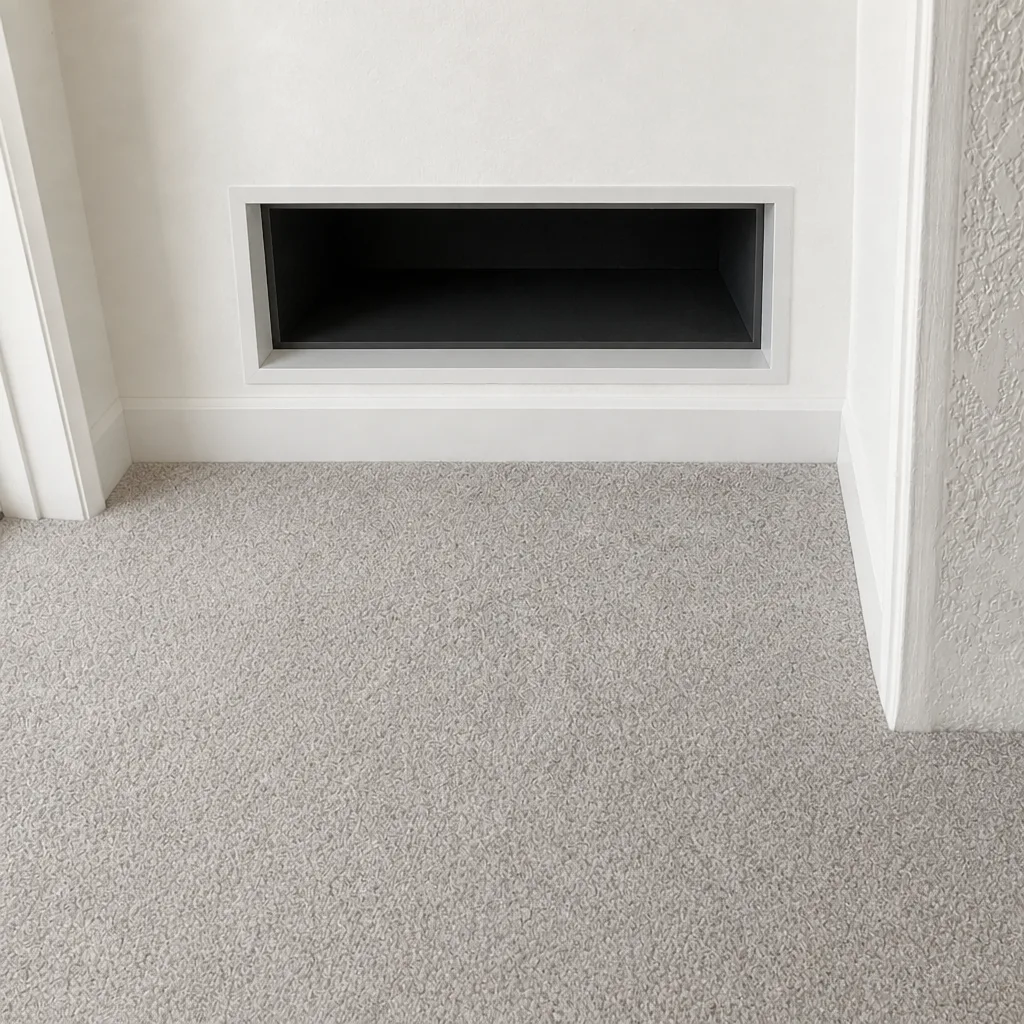 After
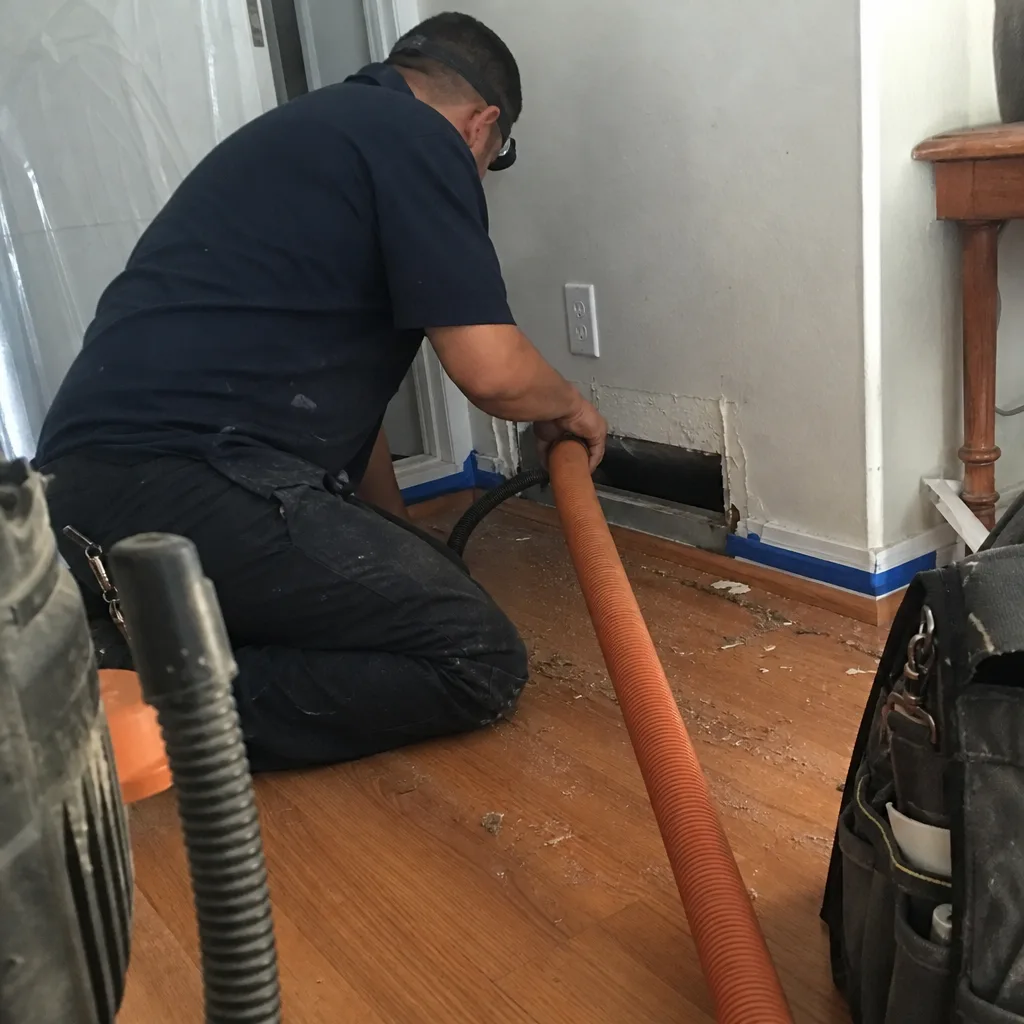 Before
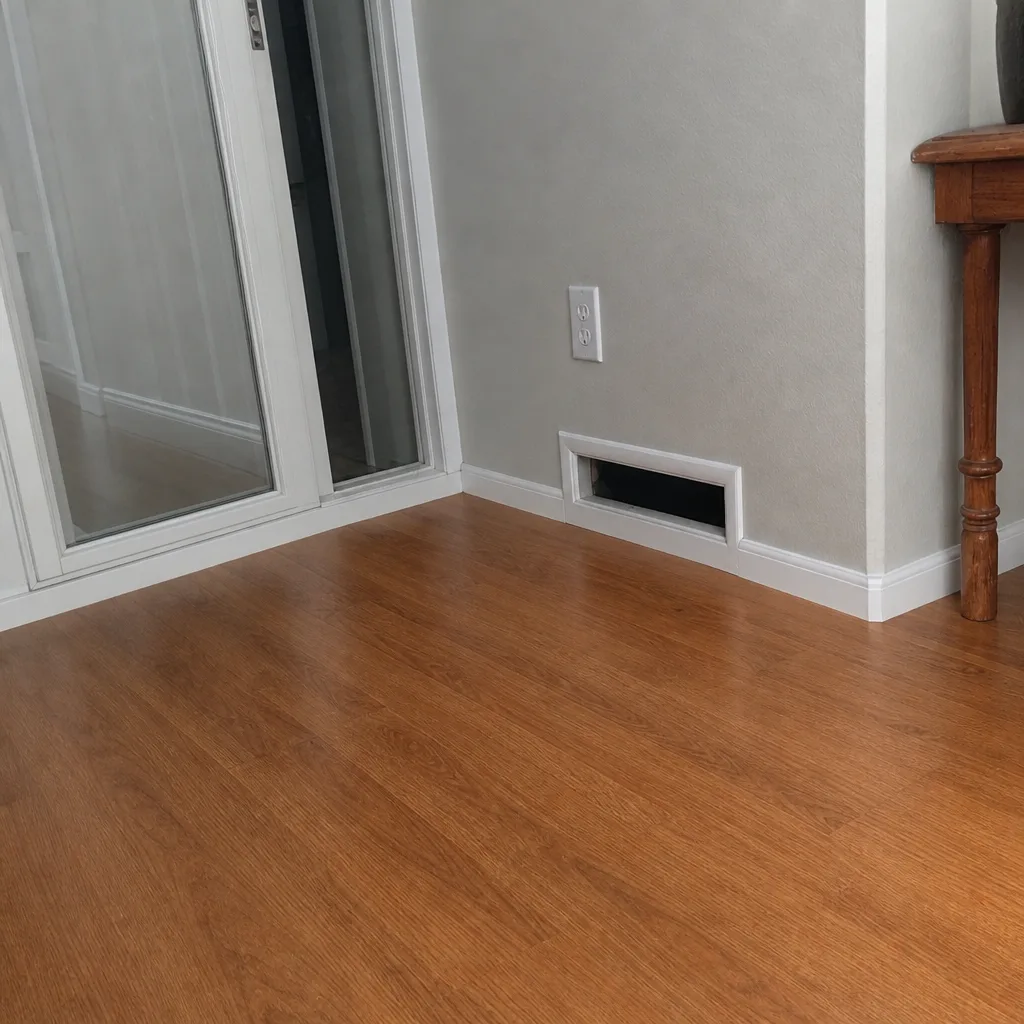 After
When to Call a Professional
Call a professional if any of the following apply: you’ve had a renovation and the ducts are full of construction dust, you notice a musty smell that won’t go away, your energy bills have crept up without explanation, you see visible dust trails at your registers, your dryer vent hasn’t been cleaned in years, or you have a dust allergy that’s getting worse. Any of those is a sign the system needs assessment, not another pass with a shop vac.
If you’re weighing a DIY attempt against professional work, a free estimate is the honest way to decide. Huntington Beach Air Duct Cleaning Pros offers free estimates in Huntington Beach, and our local pro can look at your actual system before you spend money on rental equipment that won’t work. Call (866) 937-7145 to book yours.
We answer 24/7. Fast dispatch from 7am to 7pm, Sunday through Friday. If you call outside dispatch hours, we’ll book you into the next opening. Every job ends with a flat price agreed before work starts, before-and-after photos, and a satisfaction guarantee.
Frequently Asked Questions
Professional whole-system air duct cleaning in Huntington Beach typically runs $600 to $900, depending on the number of runs, system size, and whether repair or sealing is needed. The written estimate sets the final price. A DIY attempt runs $200 to $400 after equipment rental, and it rarely produces the same result. Call (866) 937-7145 for an exact quote. Estimates are free.
No, a shop vac can’t clean ducts. It lacks the airflow and containment to remove debris from the system, and it usually agitates settled material into your living space instead of capturing it. What you can do yourself is wipe the registers, change filters on schedule, and clear the dryer lint trap.
A very low quote usually reflects a per-vent price that grows into a much larger invoice once the technician is on site, or surface work that skips negative pressure and containment entirely. The honest way to compare is a flat per-system price agreed before work starts, plus before-and-after photos of your own ducts. Call (866) 937-7145 for an honest estimate. Estimates are free.
Ask for before-and-after photos of your own ducts, not stock images, and a line-item scope that includes what was cleaned, what was sealed, and what was sanitized. A flat price agreed before work starts and a satisfaction guarantee are the other signs of a job worth paying for. Call (866) 937-7145 to book a visit. Estimates are free.
Most Huntington Beach homes need professional duct cleaning every few years, depending on pets, dust levels, leaks, and how old the duct system is. Homes with 1970s – 1990s flex duct in the attic, or that have had a recent renovation, tend to need it sooner. If you’re unsure, an estimate will tell you what your system actually looks like.
Not for most duct cleaners, but it should be. Dryer vents are a leading cause of residential fires, and the equipment and hazards are different from duct runs. Our scope includes dryer vent cleaning as a core service. Call (866) 937-7145 to book duct and dryer vent cleaning together. Estimates are free.
The Bottom Line
DIY duct cleaning isn’t a shortcut. It’s a different job that often leaves your system in worse shape than it started, and in older Huntington Beach homes, the equipment gap is wide enough that DIY can cause real damage. The tasks worth doing yourself are the small ones: registers, filters, lint traps, and the occasional vacuum around supply openings. Everything past that calls for professional-grade negative pressure, contact cleaning, and containment. When the system is due, a professional visit with before-and-after documentation and a flat price agreed before work starts is the answer that actually cleans the ducts. Call (866) 937-7145 for a free estimate.
Written by the team at Huntington Beach Air Duct Cleaning Pros.