
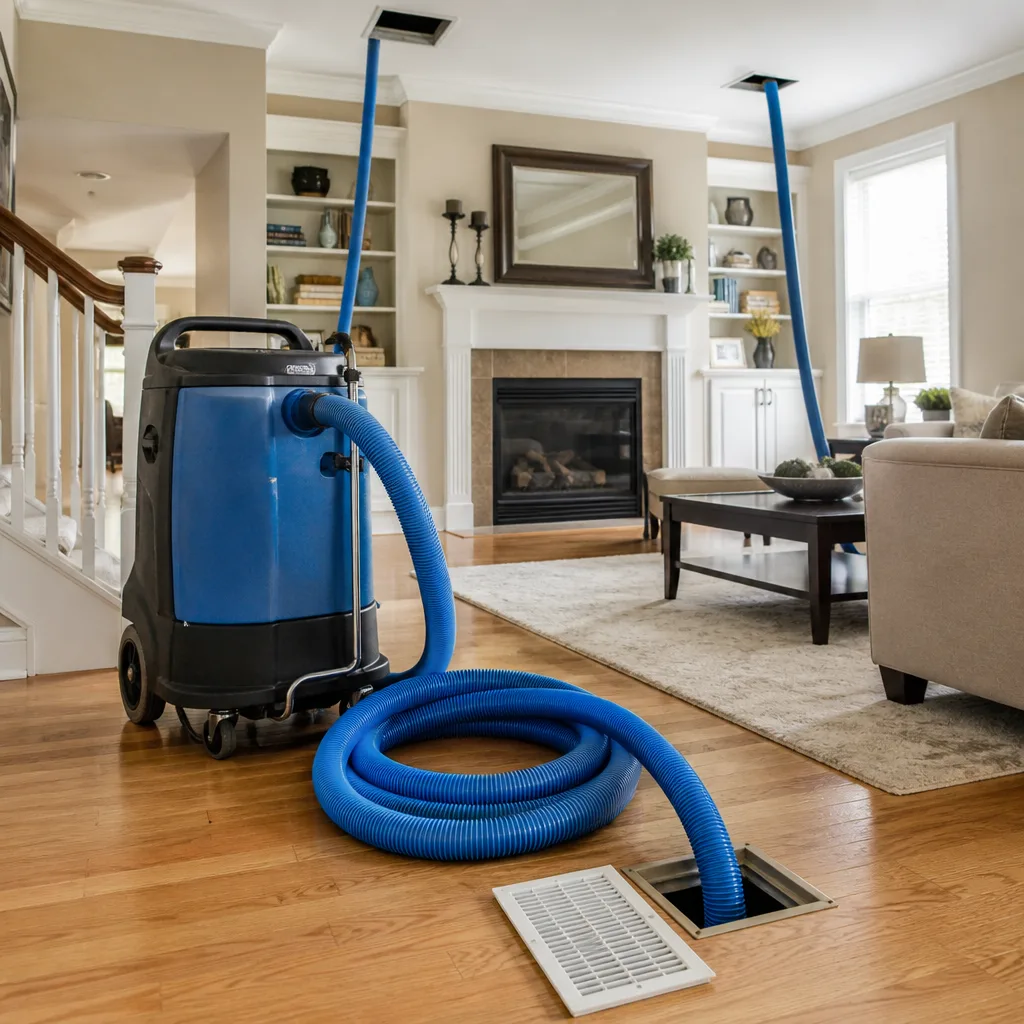
Last updated November 24, 2026
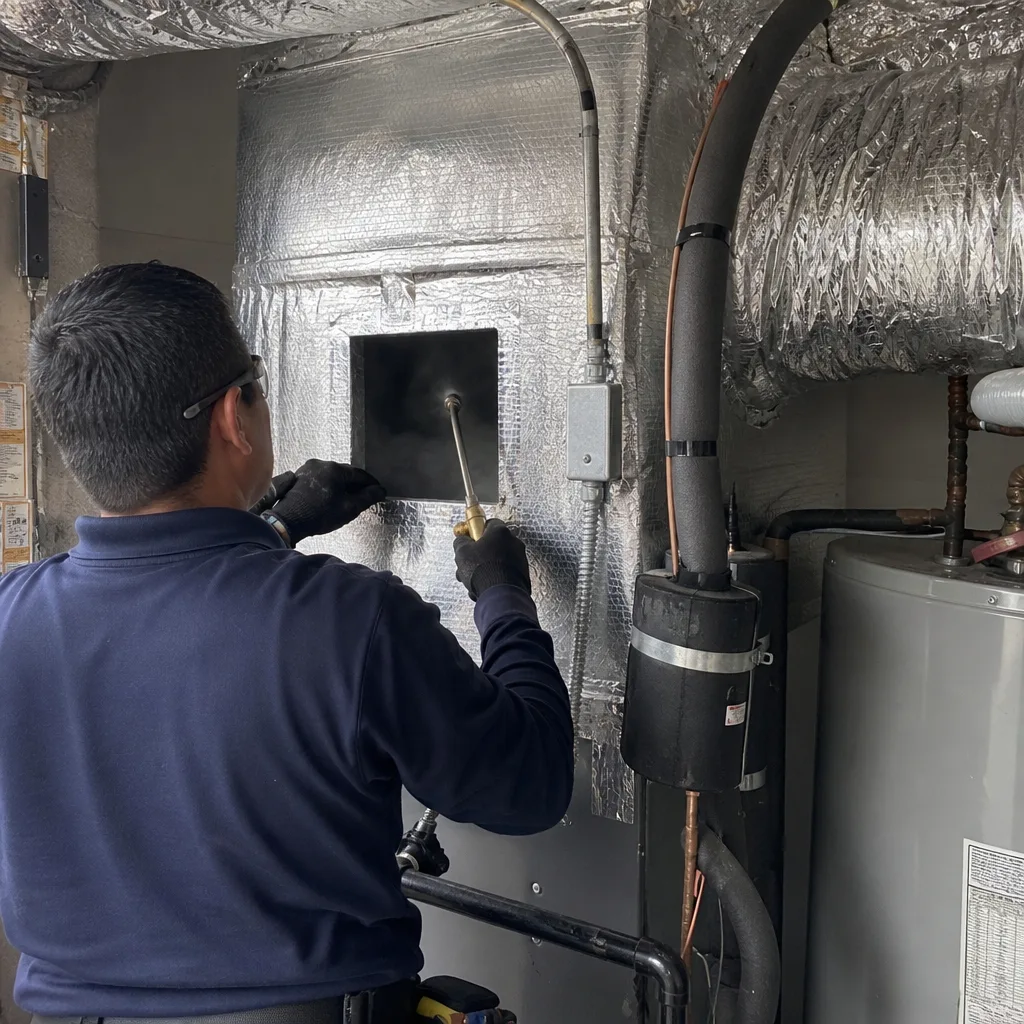
 Whole-home duct cleaning
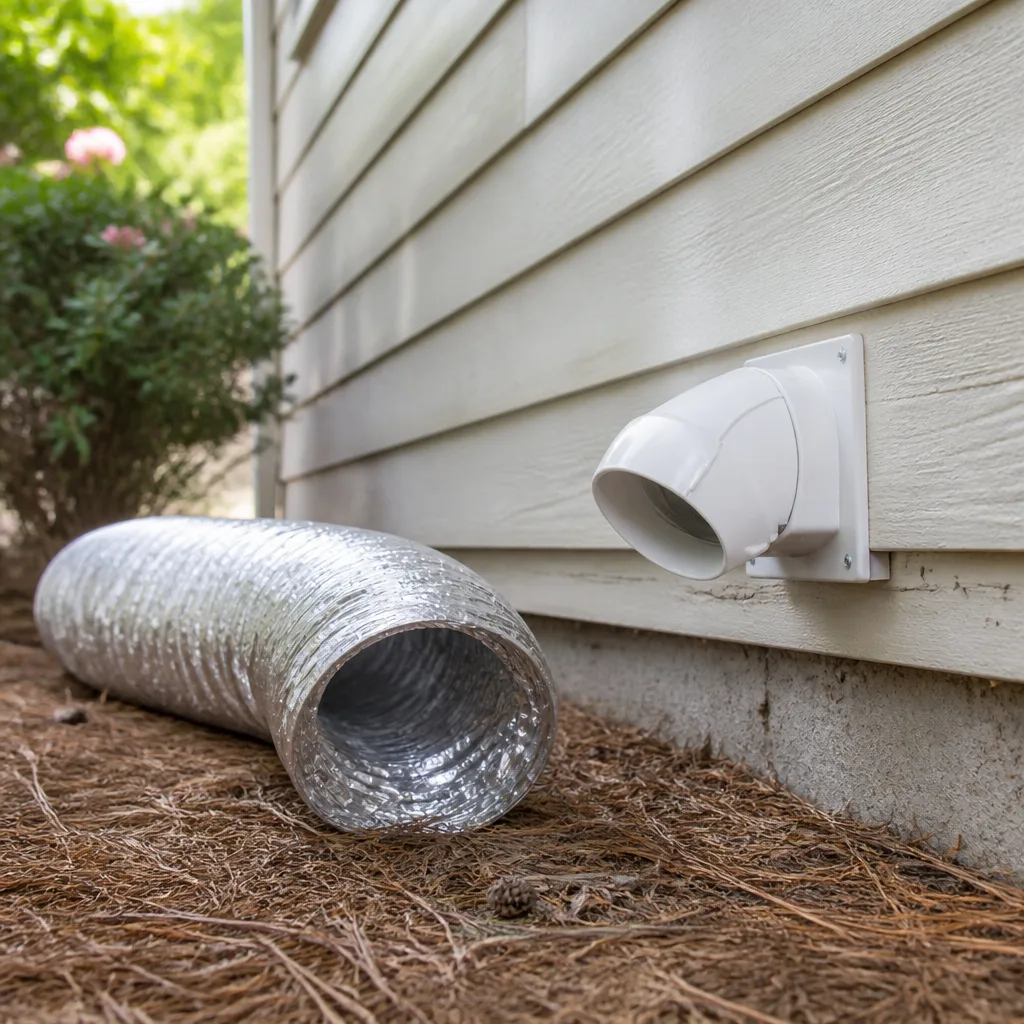 Dryer vent cleaning
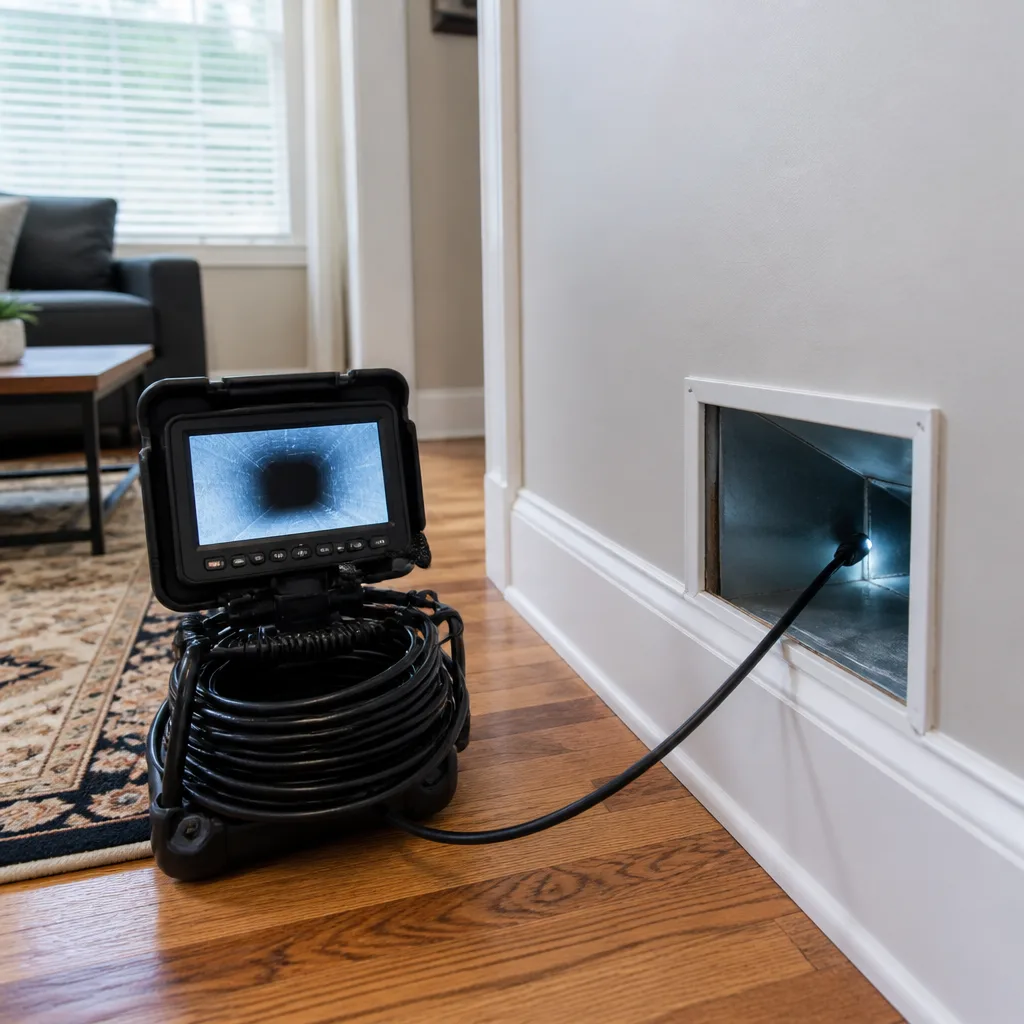 Camera inspection
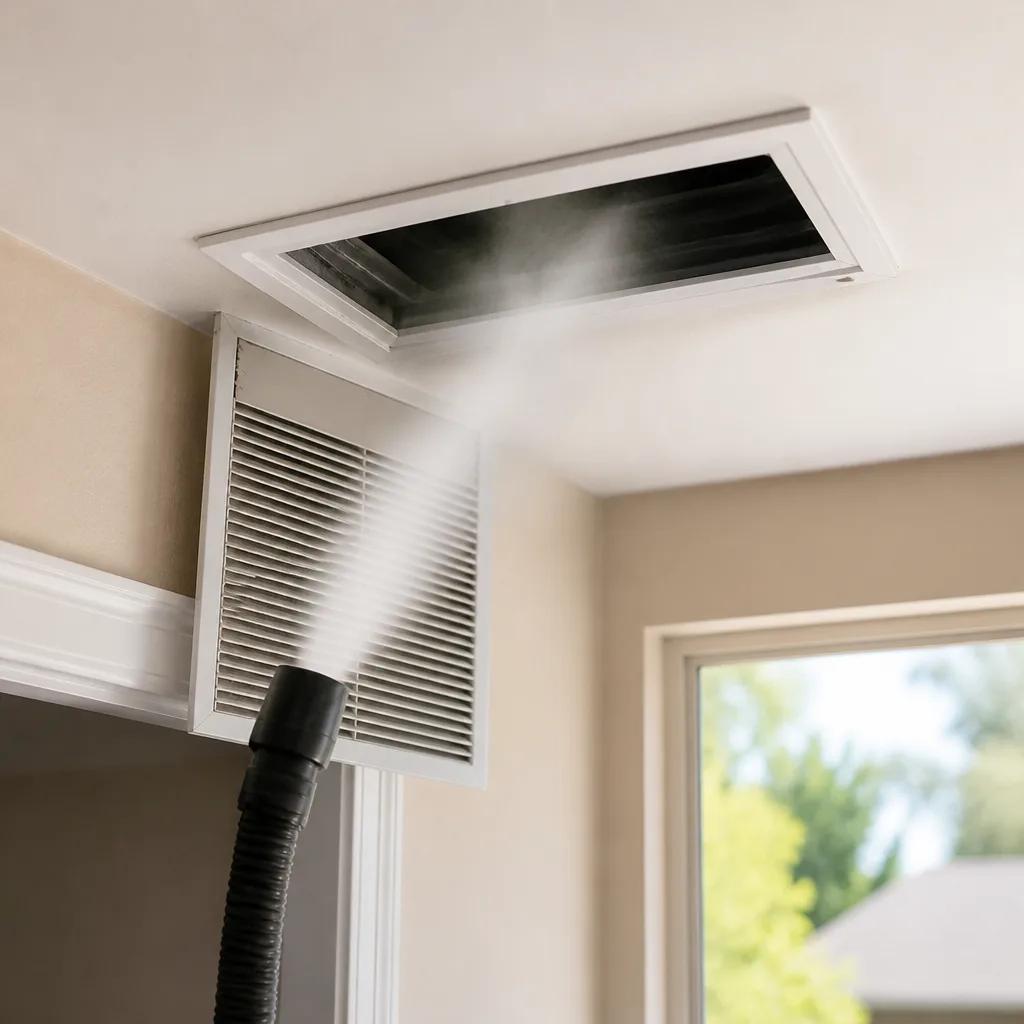 Sanitizing & deodorizing
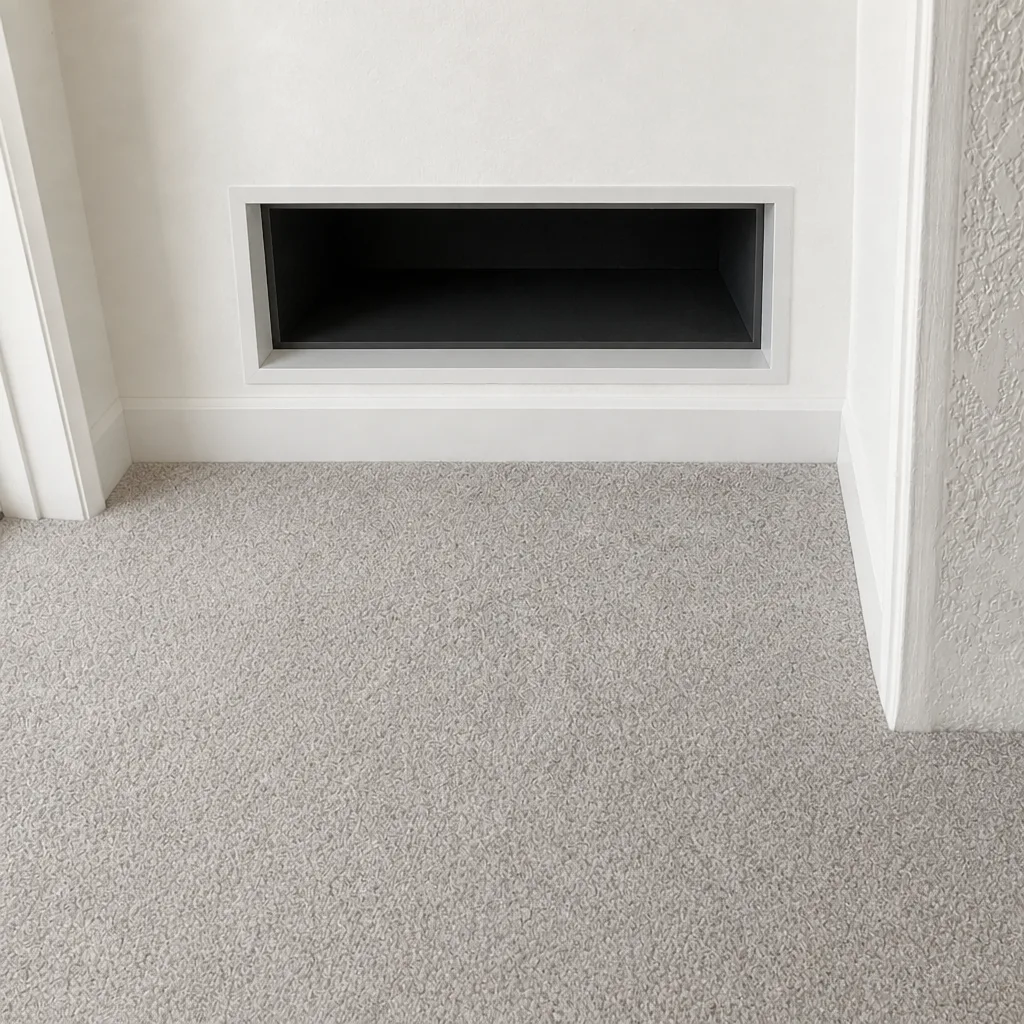
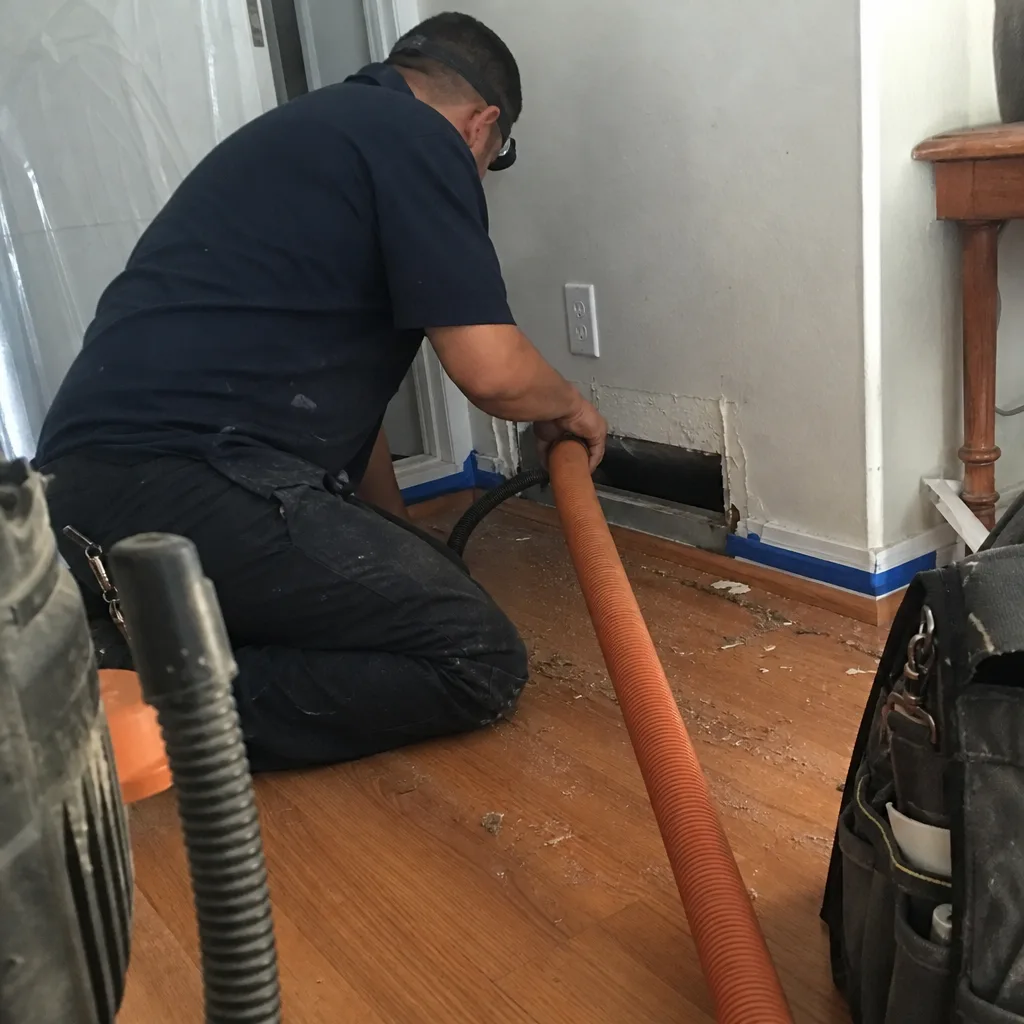
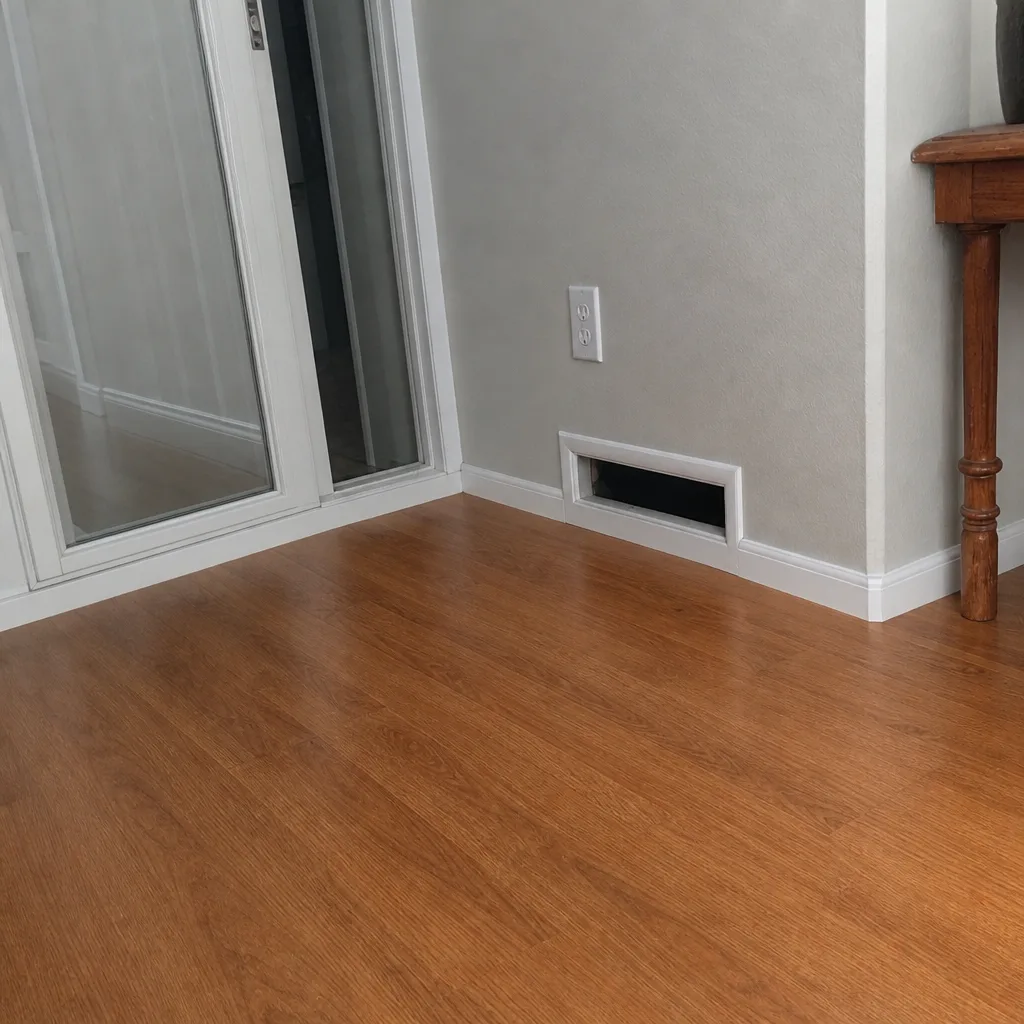
Whole-system duct and dryer vent check with before-and-after photos - you see exactly what came out of your vents
That "$99 whole-house special" is a bait ad - the real number appears once they are in your hallway, or the "clean" is a shop-vac at the register. We photograph the inside of your ducts before and after instead.
Seasonal Air Duct Cleaning Care for Huntington Beach: Year-Round Homeowner’s Guide
Most Huntington Beach homeowners assume a mild climate means mild duct problems. It’s the opposite. The same weather that makes this city comfortable most of the year also stages three distinct contamination events: a humid marine layer that parks over the coast from late spring into summer, a fall wind pattern that drags inland particulate straight into your return vents, and a winter furnace restart that bakes a summer’s worth of settled dust the first time it fires. Treat duct care as a single annual chore and you’ll be reacting to the results of all three. This guide maps what each Huntington Beach season actually does to your ductwork, how to read the warning signs early, and how to stagger your checks so you’re preventing problems instead of paying to undo them.
Quick Answer
Seasonal air duct cleaning in Huntington Beach works best as a rhythm, not a one-time appointment. Plan a professional cleaning and inspection in early fall before Santa Ana wind season and again as needed after a major smoke or wind event, change filters on a schedule tied to how hard the system is working, and check for humidity and mold signals during June Gloom. Homes with allergies, pets, recent renovations, or gas furnaces need the fullest version of that schedule.
Styles & brands we work with
- Whole-home duct cleaning
- Dryer vent cleaning
- Camera inspection
- Sanitizing & deodorizing
Table of Contents
- Why a Mild Climate Doesn’t Mean Mild Duct Problems
- June Gloom and the Marine Layer: The Humidity Window
- Santa Ana Wind Season: When Your Return Vents Become Intake
- The First Furnace Run of the Season
- Post-Wildfire Smoke: Urgent vs. Precautionary Cleaning
- How to Stagger Filter Changes, Visual Checks, and Pro Visits
- Signs Your Ducts Need Attention Right Now
- Common Mistakes to Avoid
- When to Call a Professional
Why a Mild Climate Doesn’t Mean Mild Duct Problems
Huntington Beach sits in a stretch of Orange County where the temperature rarely forces a decision. Heaters stay off for months. Windows stay open. That comfortable routine is exactly why duct contamination creeps up unnoticed here. In a colder climate, a furnace runs hard enough that homeowners hear it, feel the airflow, and notice when something changes. In Huntington Beach, a system can run gently in the background for a whole season while dust, pollen, and moisture quietly settle inside the ductwork.
The other factor is construction style. Much of the housing stock in neighborhoods like Surf City’s older tracts near Main Street and the beachside blocks was built with duct systems that have had years to develop small gaps at joints and connections. Every gap pulls air from whatever space it passes through: an attic, a garage, a crawlspace. When that air is dry inland dust in October, the load is real. When it’s humid marine air in June, the load is real and damp.
So the seasonal question isn’t “does Huntington Beach need duct cleaning.” It’s “what is each season loading into the system, and when is the right moment to clear it out.” Here’s how we think about the year:
- Late spring into summer: humidity builds, and moisture becomes the concern.
- Early fall: a good time for a baseline cleaning before the strongest wind and smoke events arrive.
- September through November: Santa Ana winds push particulate inland, and return ducts take the hit.
- Late fall into winter: the furnace wakes up and the first heat cycle reveals what the summer left behind.
- Post-event: after a significant wildfire smoke episode or wind event, inspection matters more than the calendar.
This is the core of Huntington Beach Air Duct Cleaning Pros thinking on seasonal care: work with the local weather pattern rather than an arbitrary annual date. The rest of this guide walks through each phase.
June Gloom and the Marine Layer: The Humidity Window
Each year between roughly May and July, the marine layer settles over the coastal edge of Orange County and holds moisture in the air for days at a time. For your ducts, the effect is a slow, steady increase in relative humidity inside the system, especially in return runs that pass through unconditioned attic or garage space. Dust sitting on the interior walls of those ducts becomes a food source when moisture is present, and that’s the setup for early mold growth.
The good news is that early mold indicators show up long before a full remediation is necessary. The trick is knowing what to look for:
- A musty, earthy smell that appears when the fan runs and fades when it stops. That pattern points to the duct interior rather than the room.
- Visible dark speckling or discoloration around supply registers, particularly on cool ceilings where condensation collects.
- Increased allergy symptoms indoors during the humid stretch even when the outdoor air is clear.
- Damp, heavy air from one or two vents while others feel normal. Uneven humidity points to a specific run.
What you don’t want to do is open the system yourself and start spraying. Duct interiors are hard to see, and treating a mold question without confirming the cause wastes money and can spread spores. A professional inspection during the June Gloom window is the right move. If growth is confirmed early, a targeted clean and sanitize is far less involved than remediation after a full summer of moisture.
This is also where a proper post-clean treatment earns its keep. When our technicians apply Guardsman protective treatments to surfaces inside the duct system after cleaning, the goal is a cleaner surface that’s less hospitable to regrowth during the next humid season. We pair that with a look at the home’s filtration: if a homeowner has a Honeywell or Aprilaire system, the filter’s condition through June Gloom tells you a lot about how much the system is working to keep humidity-driven contaminants contained.
One more note for Huntington Beach specifically. Homes near the coast that leave windows open through the humidity window are pulling damp outside air directly into the living space, where the return then draws it through the ductwork. Running the system fan more, with a better filter, often does more to control dust through June Gloom than any other single change.
Santa Ana Wind Season: When Your Return Vents Become Intake
When Santa Ana winds build in September and October, they push particulate from inland areas toward the coast. During a significant event, PM2.5 levels in coastal Orange County can climb into unhealthy ranges within hours. The thing most homeowners don’t connect: every return vent in the home is an open intake. Whatever is in the air near that return is what the system draws in.
A single windy weekend can load the return side of a duct system more than a year of ordinary use. And unlike a visible dust film on a coffee table, that particulate ends up inside the ductwork, where it stays. The filter catches some of it. The rest settles on the interior surfaces and in the supply runs.
That’s why we recommend a post-Santa-Ana inspection as a regular part of the Huntington Beach seasonal calendar, not an emergency reflex. Here’s what that inspection covers:
- Return-side visual check. Look inside the returns closest to exterior walls and windows, which take the first load.
- Filter loading review. A filter that’s visibly grey after a wind event is doing its job. A filter that’s still clean means the particulate went somewhere else.
- Supply register check. Any dust plume from a supply vent when the system starts tells you the interior is loaded.
- Comparison to the last clean. If the system was cleaned in early fall, a comparison one month later shows how much the season added.
A proper cleaning after a heavy wind event uses contact-vacuum equipment rather than a blower. Our technicians work with the Rotobrush system (the leading contact-cleaning method, used by professionals nationwide) alongside Nikro systems built for professional duct and system work. The brushes make physical contact with the interior surfaces; a blower just moves air around. For a particulate load, contact cleaning is the difference between removing the contamination and redistributing it.
If the system also needs duct repair or sealing, the same visit is the right time. Wind-driven air moves through gaps in the ductwork as easily as it moves through the filters, so sealing those gaps stops the next event from loading the system the same way. We’re one of few providers who clean and seal in the same engagement, and in Huntington Beach that combination is worth more than it sounds, because the wind events repeat.
The First Furnace Run of the Season
For much of the year, a Huntington Beach home runs its air conditioning lightly or not at all. Then somewhere in late November or early December, the first cool morning arrives and the gas furnace fires for the first time in months. That first run is the best diagnostic moment of the year, and most homeowners skip it.
Here’s what happens inside a duct system that sat through a warm season. Dust settles. Pet hair collects. Condensation during the humid stretch leaves a slight residue. And then, the first time the heat exchanger warms and the blower pushes hot air through the ducts, all of that material gets lifted and carried into every room. The burnt-dust smell homeowners notice on the first heat cycle is the system telling you what’s been sitting in it.
But the smell isn’t the real reason to pay attention. The first heat cycle is also the easiest moment to assess duct condition because:
- The system has just run under load, so airflow problems that weren’t obvious during cooling show up clearly.
- Filter condition is visible after the first run, giving you a fresh read on what the whole system has been drawing in.
- The furnace itself can be assessed alongside the ducts, which is why a combined HVAC cleaning visit makes more sense than a duct-only visit at this point in the year.
If the home has a gas furnace and you’ve never had the system looked at, this is also a safety moment. Never open a furnace cabinet or attempt to clean inside the unit yourself. Gas appliances and their duct connections are a job for a trained professional, and a check that confirms the connection is sound matters more than a cleaning at this point.
For homeowners whose system is a heat pump rather than gas, the first heat run still matters. The dust load is the same. The temperature change is smaller, so airflow and filtration become the priorities. If the home runs a Honeywell or Aprilaire air cleaner or humidifier, winter reactivation is also a good time to have that equipment checked and cleaned at the same time as the ducts.
If you’ve already had a professional cleaning in the fall, the first furnace run is a chance to confirm it worked. Any lingering odor or dust plume means the system needs a follow-up conversation. Not a full re-clean, just a look.
Post-Wildfire Smoke: Urgent vs. Precautionary Cleaning
Wildfire smoke events affect duct contamination in two very different ways depending on what happened and how long the smoke lasted. Sorting a real need from a precautionary one saves you from hiring a cleaner after every distant fire while making sure you act when it matters.
When cleaning is urgent:
- Visible smoke odor inside the home that persists after the outdoor air clears.
- The HVAC system ran during the smoke event with the windows or patio doors open at any point.
- A return vent or supply register shows visible soot or dark film after the event.
- Occupants with asthma or other respiratory conditions are experiencing symptoms that started with the smoke event.
- The system was overdue for cleaning before the event, meaning there was already a load for smoke to attach to.
When cleaning is precautionary:
- Windows and doors stayed closed, the system ran with a good filter, and there’s no odor or visible sign inside.
- The smoke plume stayed distant and no one inside noticed symptoms or smell.
- A professional cleaning was done recently and the filter was replaced afterward.
For precautionary situations, the right move is usually a filter change and a look, not a full clean. For urgent situations, a proper cleaning is the answer, and using equipment associated with remediation-level work matters. Our technicians deploy Abatement Technologies air-quality equipment for contaminant capture, the same standard of gear used in mold, allergen, and particulate remediation. In a post-fire scenario, that level of capture is the point, because you’re not just clearing dust; you’re making sure contaminants don’t get redistributed into the home while the work is done.
One Huntington Beach-specific note: the fall wind and smoke patterns often overlap. A Santa Ana event that also carries smoke from a fire in the region is the most demanding scenario for a duct system. If that happens in the same season, a single thorough cleaning and inspection after things calm down is usually more valuable than two partial passes.
How to Stagger Filter Changes, Visual Checks, and Pro Visits
The whole point of seasonal duct care is to stop reacting. This section is the practical schedule. Adjust the filter cadence for how hard your specific system works, but the rest holds up well year to year.
The Huntington Beach Duct Calendar
- Late spring (May): change the filter. Do a quick visual check of returns and supply registers. If there’s a musty smell, book an inspection.
- June Gloom (June and July): watch for damp air, musty odors, and dark spotting around registers. Change the filter again mid-season if the home has pets or a family member with allergies.
- Late September: professional cleaning and inspection. This is the baseline before the strongest wind and smoke months. Pair it with duct repair and sealing if the inspection finds gaps.
- October through November: after any significant Santa Ana wind or wildfire smoke event, check the filter and do a visual look. Call for a post-event inspection if there’s odor or visible dust.
- Late November or early December: on the first cool morning, watch for a dust plume or burnt odor on the first heat run. If there’s a problem, that’s the time to call.
- Winter, as needed: change the filter when it’s visibly grey. Look at register faces for any new dust film.
What Each Check Is For
The homeowner checks are not the same as a professional inspection. You’re looking at visible signs: filter colour, register dust, smells, uneven airflow. That’s enough to know when something has changed. A professional visit adds the interior view with proper equipment, the airflow and seal assessment, and the clean-through-sanitize sequence that a filter change can’t substitute for.
Where Filter Cheques Fit
Filter change frequency matters more than filter brand for most homes. A basic pleated filter changed every couple of months will outperform a premium filter left in too long. If the home has a Honeywell or Aprilaire air purification system, follow the manufacturer’s cadence and have the equipment serviced at the same time as the ducts so the whole system stays in step.
Scheduling is often the piece homeowners skip. Call ahead of the fall cleaning window rather than during it, and if you’re managing a rental property or a small commercial building in Huntington Beach, keep a written log of each cleaning. Documented service makes turnover easier and gives the next tenant or building manager a real record.
Signs Your Ducts Need Attention Right Now
Seasonal care is the plan, but sometimes the house gives you a signal that doesn’t wait for the calendar. Any of these is worth a phone call regardless of the month:
- Musty smell that appears only when the fan runs. The pattern is the clue. Odor from the ducts is different from odor in the room.
- Visible dust plumes from a supply register when the system starts. That means the interior is loaded enough to blow particulate into the room.
- Consistently high energy bills without a clear cause. Duct leaks are a common source of lost conditioned air, and sealing is often where the fix begins.
- Allergy symptoms that improve when you leave home. That’s a classic sign the indoor air environment is part of the problem.
- Post-renovation dust. Drywall, sanding, and demo work generate fine particulate that ends up in the returns faster than a filter can capture it.
- Pet hair visible at registers. A system drawing pet hair in is a system overdue for contact cleaning.
- Dryer taking longer than it used to. A clogged dryer vent is a fire risk, and it’s one of the leading causes of residential fires. Get it cleaned, not just checked.
If you notice more than one of these signals at the same time, the system is past due for a full air duct cleaning, not just a filter swap. Multiple signals point to an interior load that’s been building for a while.
Common Mistakes to Avoid
- Assuming a mild climate means the ducts are clean. Huntington Beach is mild, not inert. Humidity, wind events, and furnace reactivation all load the system, and none of them make a sound you’ll notice.
- Cleaning once and forgetting it. A single qualifying annual clean is better than nothing, but it misses the post-Santa-Ana load and the June Gloom humidity window that a fall appointment alone won’t address.
- Chasing the lowest coupon price. A cheap coupon price is the industry’s classic bait-and-switch setup. The invoice grows once the technician is on site. Ask for one flat price per system, agreed in writing, before any work starts.
- Forgetting the dryer vent. A dryer vent that hasn’t been cleaned is a fire risk most HVAC-only providers leave untouched. It’s a core service for good reason, and it belongs on the same schedule as the rest.
- Ignoring the first-heat-cycle smell. If the first furnace run of the season fills the house with a burnt, dusty smell that lingers, that’s the system telling you what’s inside. Treat it as information, not just an inconvenience.
- Opening the furnace or duct interior to inspect it yourself. Gas appliances and duct interiors are not a DIY space. A look with a flashlight at the register is fine; disassembly is a job for a trained technician.
- Skipping the seal after a clean. Cleaning without sealing leaves the gaps that pull contamination back in. If the inspection finds leaks, seal them in the same visit rather than booking a separate appointment months later.
When to Call a Professional
Call a professional when you notice a smell that only appears when the system runs, a visible dust plume from a register, persistent allergy symptoms that improve when you leave home, or an energy bill that’s climbing without a clear reason. Call after a smoke or Santa Ana wind event if the house smells of smoke or shows any interior dust. Call at the first sign of moisture in the system during June Gloom, particularly if you see dark spotting near a register. And call if the system hasn’t been cleaned in years and the home has pets, has had recent renovations, or has a family member with respiratory issues.
Huntington Beach Air Duct Cleaning Pros offers free estimates in Huntington Beach. Call (866) 937-7145. We answer 24/7. Fast dispatch from 7am to 7pm, Sunday through Friday.
Frequently Asked Questions
Most Huntington Beach homes do best with a professional cleaning every two to three years, plus a post-event inspection after any strong Santa Ana wind or wildfire smoke event. Homes with pets, allergy sufferers, recent renovations, or kids tend to need it closer to every one to two years. If the system hasn’t been cleaned in a long time, a first clean and inspection establishes a baseline. Call (866) 937-7145 for an exact recommendation based on your home.
Pricing is set per system, not per vent, and quoted in a written estimate before any work starts. That’s the honest answer, and it’s the right one because a per-vent or per-room quote is where bait-and-switch pricing usually begins. Ask for the flat price per system, confirm what it includes, and get it in writing. Call (866) 937-7145 for a free estimate.
Cheap quotes are usually cheap for a reason: the low figure is the hook, and the real total comes together once the technician is on site. Look for equipment specifics, ask whether duct repair and sealing are available in the same visit, and ask for before-and-after photos of your own ducts. A quote that can’t answer those questions is a quote to walk away from. Call (866) 937-7145 to see how a flat, per-system price looks in practice.
Before-and-after photos of your own duct system, taken during the visit, are the simplest and clearest proof. A technician using Rotobrush and Nikro equipment can show you the interior before and after; a shop vac or blower can’t. Ask for photos as a standard part of the job. Call (866) 937-7145 for a free estimate with a clear before-and-after record.
Yes, if the system ran with windows or doors open during the event, or if there’s a persistent smoke odor indoors after the outdoor air clears. In those cases, a proper post-event cleaning makes sense. If windows and doors stayed closed and the filter was changed after, precautionary cleaning is usually less urgent. Call (866) 937-7145 for a free estimate if you’re unsure which category your home falls into.
Yes. Dryer vent lint is one of the leading causes of residential fires, and a clogged vent restricts airflow long before it becomes a hazard. Many homes clean the ducts and forget the dryer vent entirely; pairing the two on the same schedule avoids that gap. The dryer vent cleaning appointment is short and can be booked with the duct work. Call (866) 937-7145 for a free estimate.
The Bottom Line
Huntington Beach’s weather pattern doesn’t let you off the hook. It replaces snow and freezing temperatures with humidity windows, wind-borne particulate, and a first furnace run that reveals the whole summer’s load. The homes that stay cleanist are the ones that plan the year instead of reacting to it: a fall cleaning and inspection, filter changes staggered around June Gloom and Santa Ana season, a professional look after any major smoke event, and a first-heat-cycle check in late November. Get the rhythm right and your system stays ahead of the problems. Get it wrong and every season costs you a little more.
Written by the team at Huntington Beach Air Duct Cleaning Pros.
See the difference
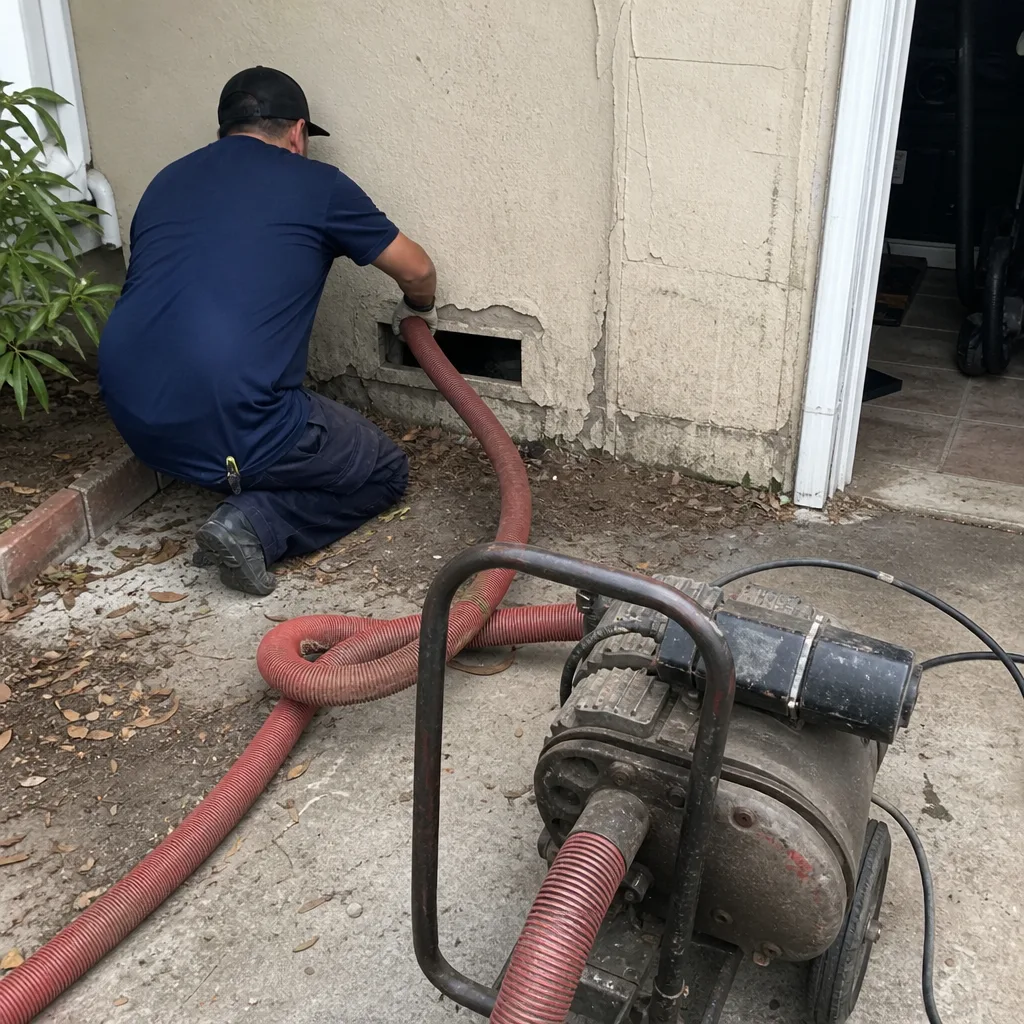 Before
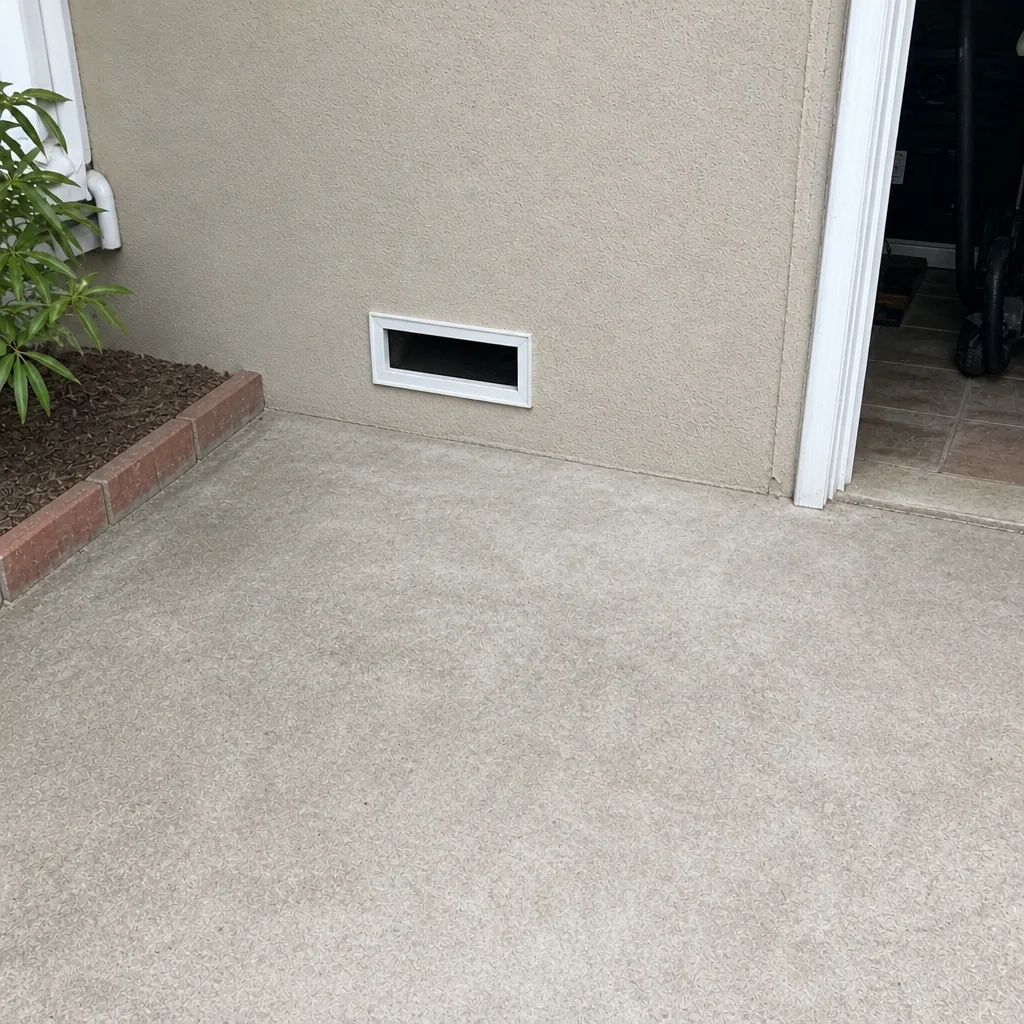 After
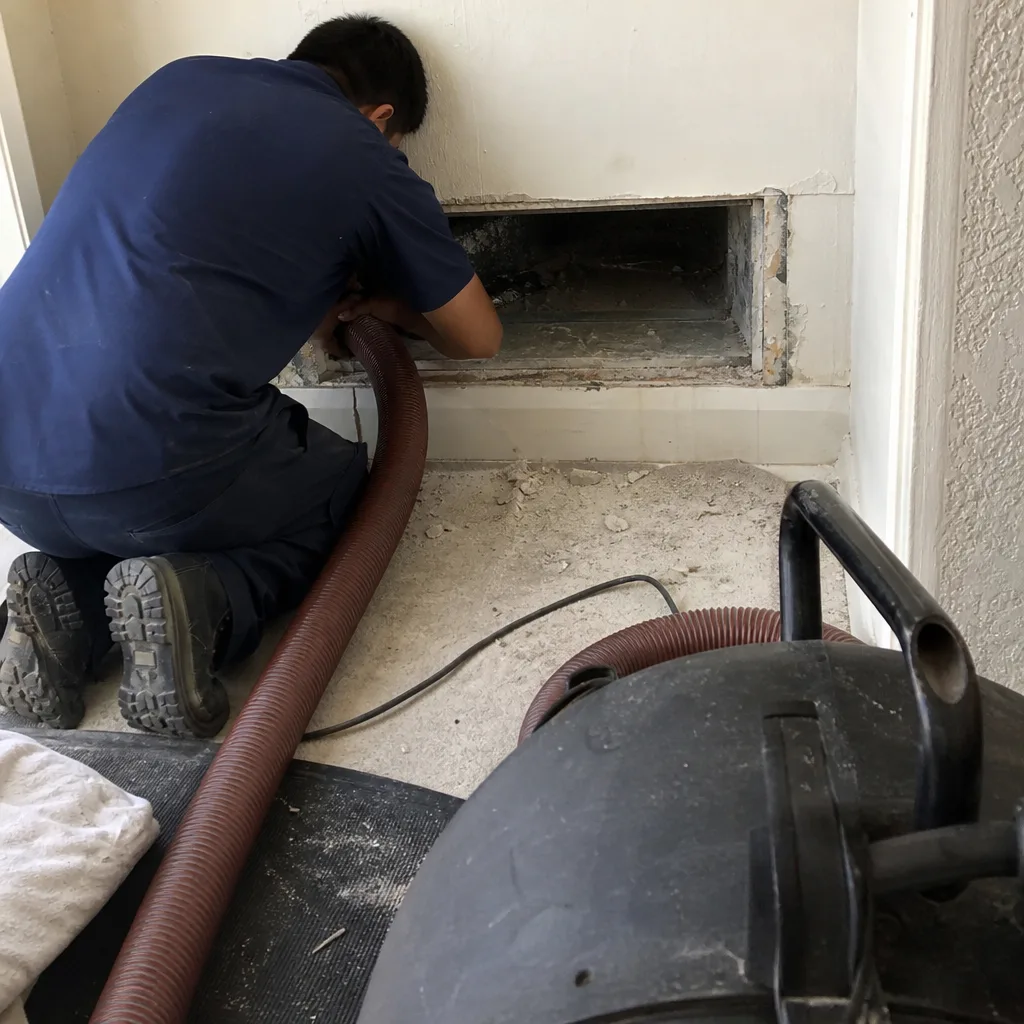 Before
 After
 Before
 After