
Last updated November 24, 2026
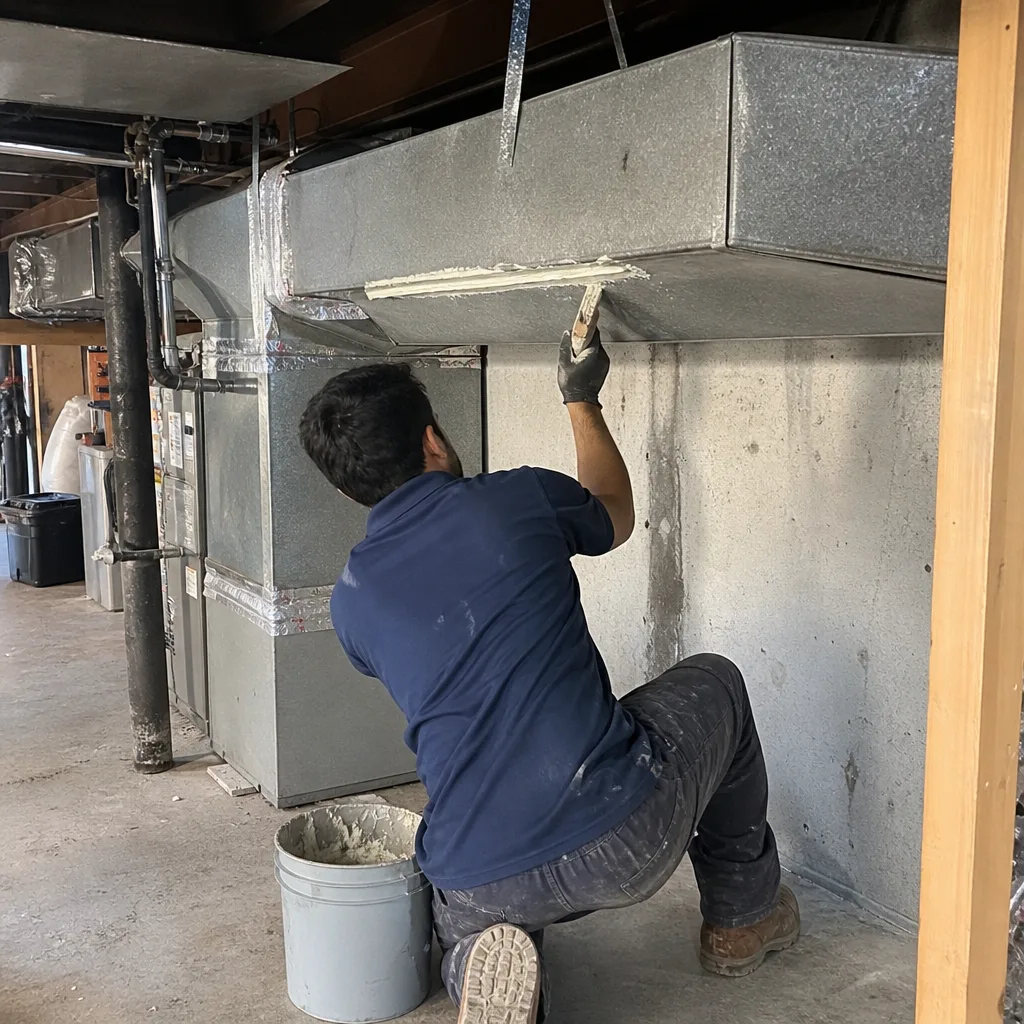
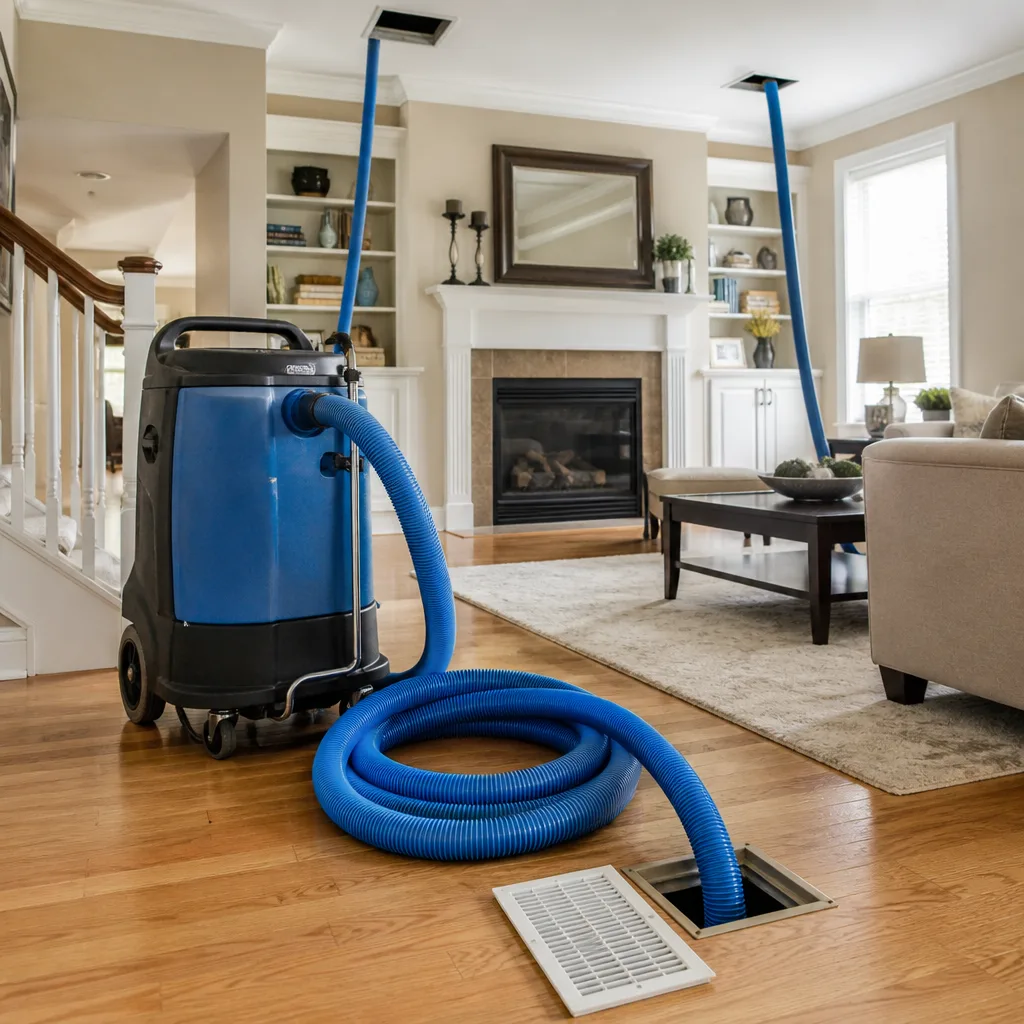 Whole-home duct cleaning
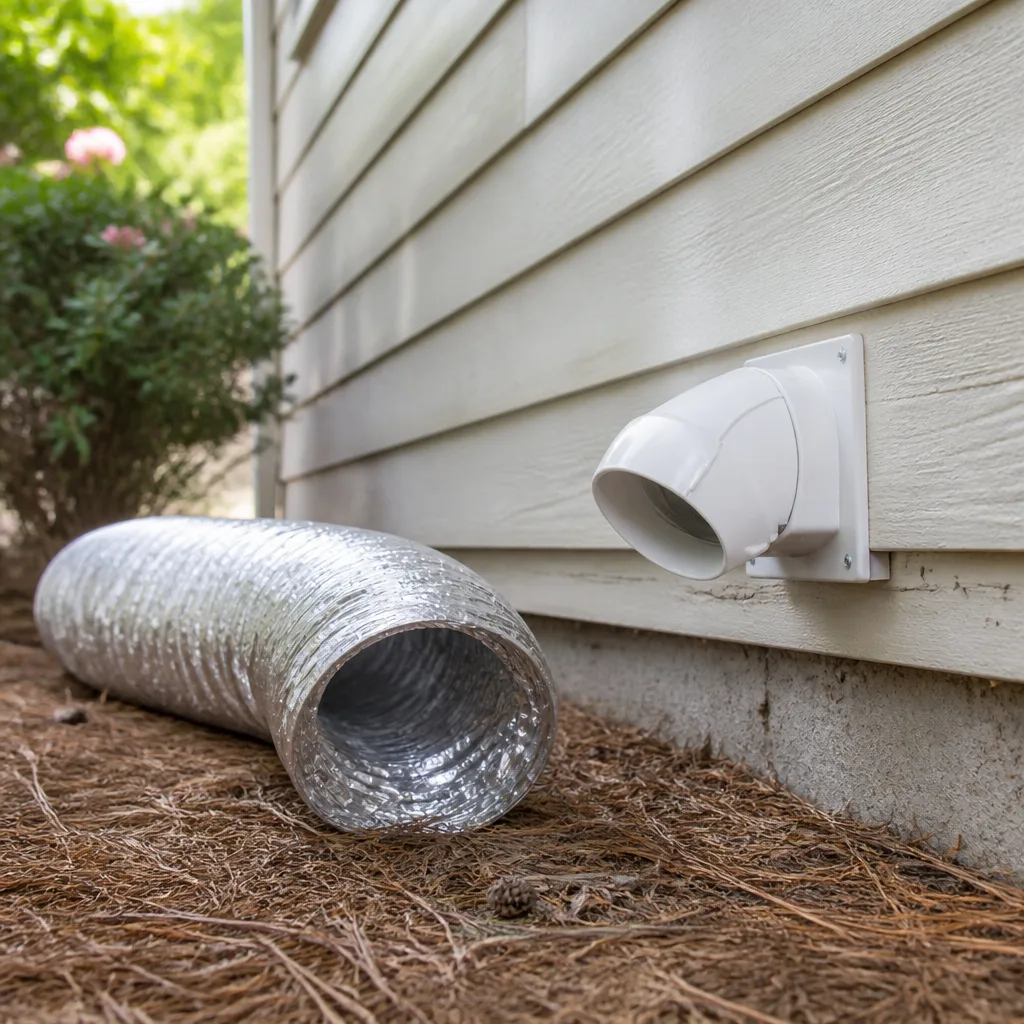 Dryer vent cleaning
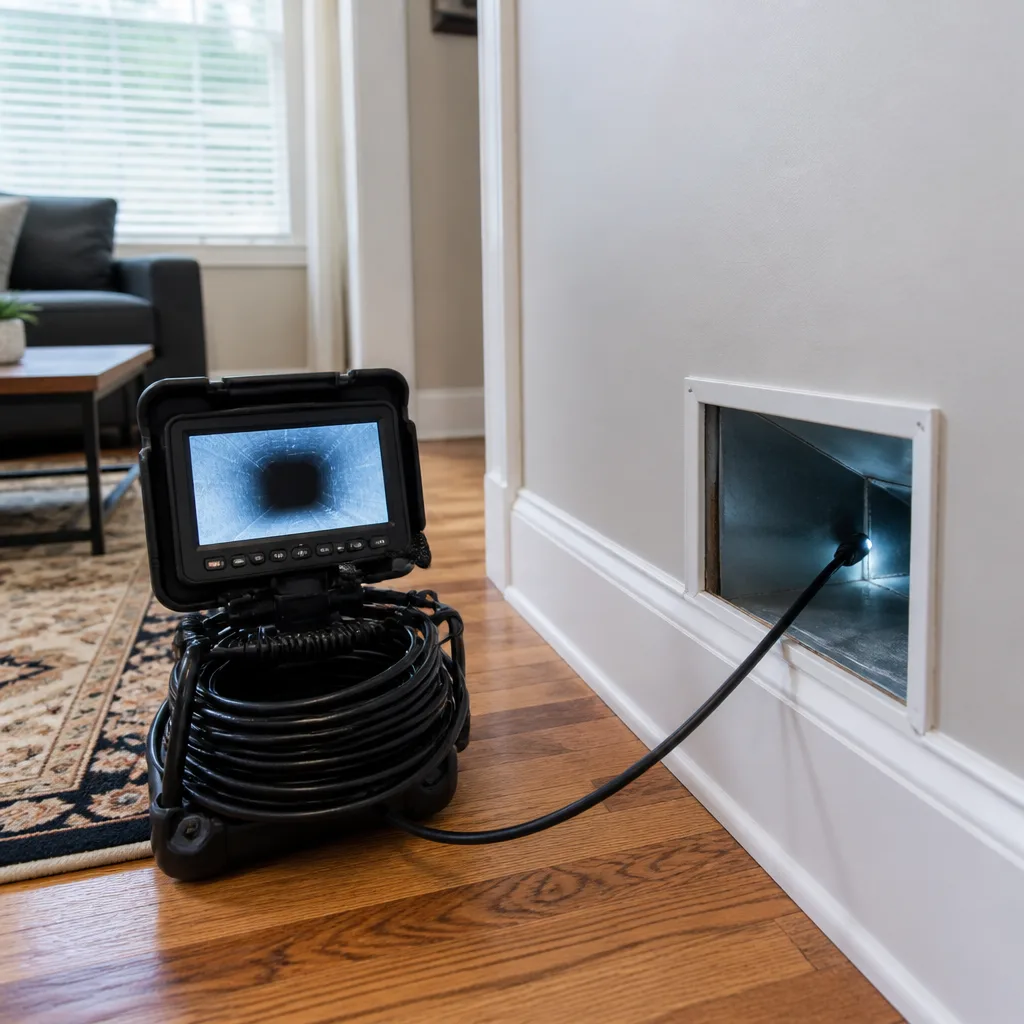 Camera inspection
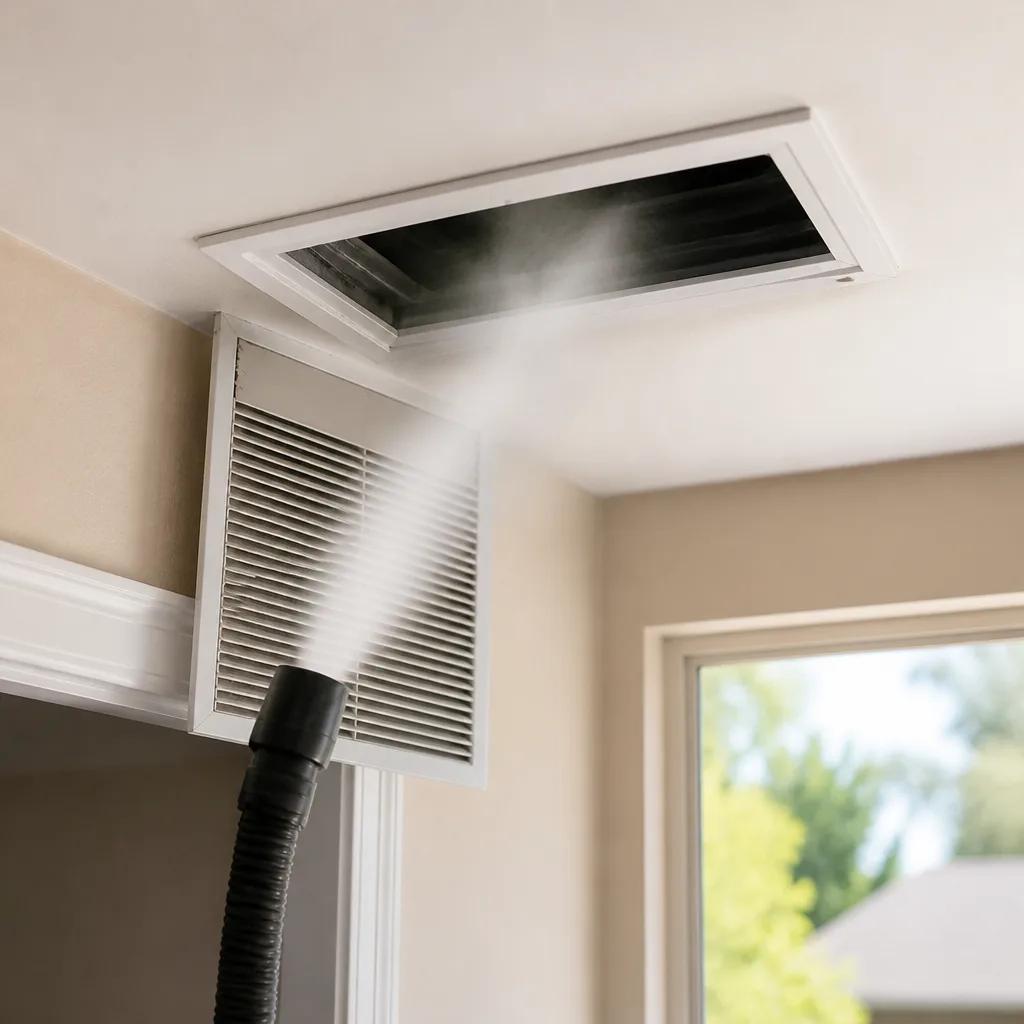 Sanitizing & deodorizing
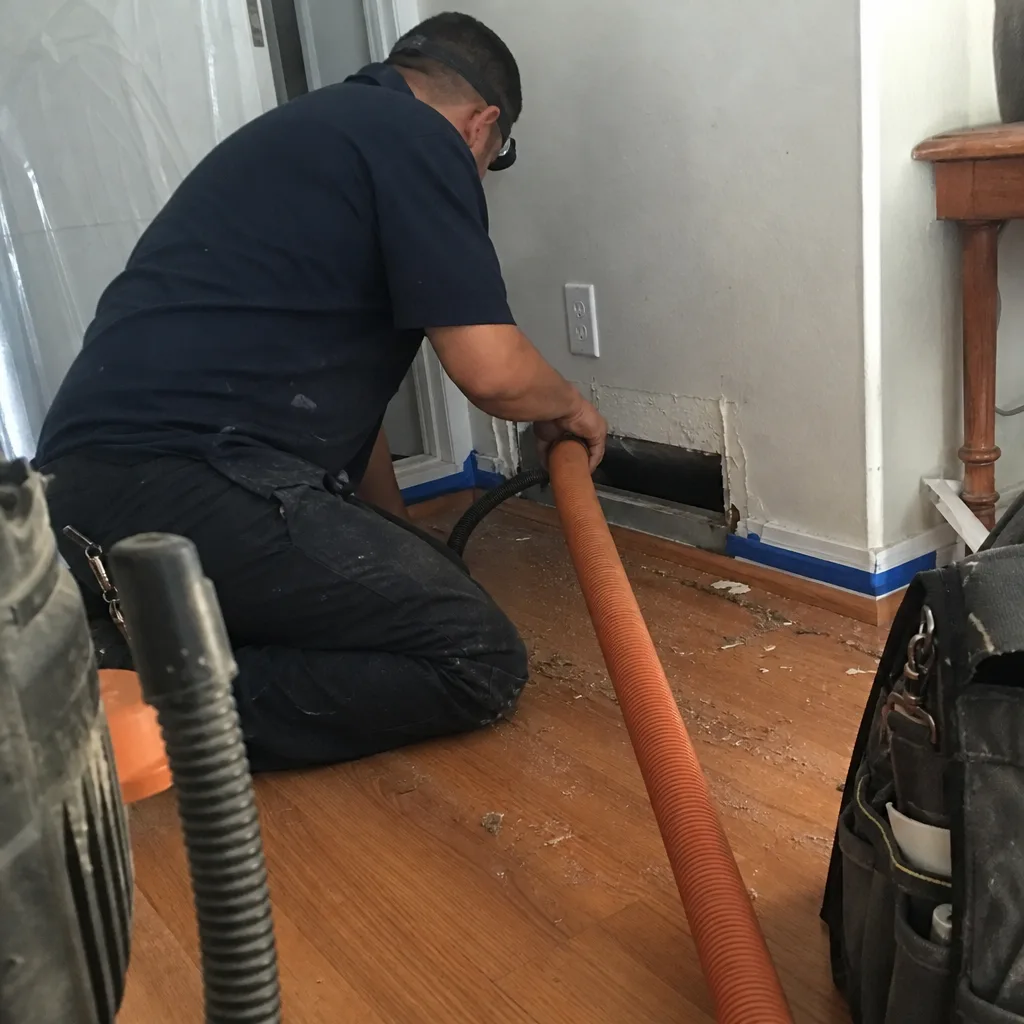
Whole-system duct and dryer vent check with before-and-after photos - you see exactly what came out of your vents
That "$99 whole-house special" is a bait ad - the real number appears once they are in your hallway, or the "clean" is a shop-vac at the register. We photograph the inside of your ducts before and after instead.
How to Hire an Air Duct Cleaning Contractor in Huntington Beach: A Step-by-Step Guide
Most people hire a duct cleaner the same way they hire a pizza delivery: they pick the cheapest coupon and hope for the best. That works fine for dinner. For the network of ducts running through your Huntington Beach home, it’s how people end up paying for a truck-mounted blower that loosens dust without capturing it, leaving more particles in the air than when the crew arrived. The industry has one of the widest gaps between what’s advertised and what’s actually performed of any home service category. This guide closes that gap. You’ll learn the three equipment questions to ask before booking, how to verify a California license in about a minute, how to read a scope of work for what “full system cleaning” really covers, and the post-job documents you should demand. By the end, you’ll know exactly what separates a legitimate contractor from a truck with a coupon.
Quick Answer
To hire an air duct cleaning contractor in Huntington Beach, verify three things before anyone enters your home: the contractor holds an active California license you can check on the CSLB website, the crew uses professional source-removal equipment such as a Rotobrush or Nikro system with negative pressure, and the quote is based on an in-person assessment with a written scope you can read before signing. Skip any of these and you’re gambling on a category known for bait-and-switch.
Styles & brands we work with
- Whole-home duct cleaning
- Dryer vent cleaning
- Camera inspection
- Sanitizing & deodorizing
Table of Contents
- Why Duct Cleaning Has a Trust Problem
- The Three Equipment Questions to Ask Before Booking
- Verifying License and Insurance in California
- Why a Quote Without a Walkthrough Is a Red Flag
- How to Read a Contract for Scope
- Post-Job Deliverables to Require
- Duct Repair, Sealing, and Sanitizing: The Missing Step
- Huntington Beach Climate and Your Ducts
Why Duct Cleaning Has a Trust Problem
This isn’t a knock on every operator in the field. It’s an honest read of how the category got its reputation. Duct cleaning is one of the few home services where a consumer can’t easily see the work being done, can’t verify the result by looking, and often doesn’t know what “clean” is supposed to mean. That combination attracts operators who under-equip and over-promise.
Walk into a Huntington Beach home built in the 1970s or 1980s and you’ll often find flexible duct runs, older rigid trunk lines, and decades of accumulated dust, pollen, and construction debris from renovations. Loosening that material is the easy part. Capturing it and removing it from the system is where cheap operators fail. A shop vac taped to a register is not source removal. Neither is a truck-mounted blower with no brush contact, which can push contaminants into living spaces or redistribute them downstream.
What does legitimate work look like? It uses a contact method (a rotating brush or whip that touches the duct wall) coupled with negative pressure that keeps the loosened material inside the system and moves it out. That’s the standard used in commercial and industrial facilities, and it’s what you should expect in a residential job. We mention this because the gap between “cleaned” and “appeared cleaned” is exactly where the trust problem lives.
Your defense is simple: ask about equipment, verify the license, insist on an in-person quote, and require documentation. Everything else in this guide builds on those four moves.
The Three Equipment Questions to Ask Before Booking
Equipment is the fastest way to tell a real contractor from a coupon. Ask these three questions on the phone. If the person on the other end can’t answer clearly, you have your answer.
- “What cleaning system will you use in my home?” Acceptable answers include a Rotobrush or Nikro contact-vacuum system, a truck-mounted negative-pressure system, or a combination. These are the systems professionals use and they do two things: agitate the duct wall and pull the loosened material into a capture vessel. Anything vague (“we use a high-powered vacuum”) deserves a follow-up question.
- “How do you create negative pressure in my system?” A correct answer explains that the system is placed under negative pressure so the loosened material is drawn toward the vacuum, not into your living room. If the plan is to run a shop vac to one register and “blow air through the others,” walk away.
- “What happens to the contaminants once they’re loosened?” A professional-grade setup captures them – either a HEPA filtration unit or an Abatement Technologies air-quality setup designed for contaminant capture. That standard comes out of remediation work, and it’s the right one for any home with allergy concerns, pets, or a recent renovation.
These answers matter more than the price. A crew with the wrong equipment can’t produce the result you’re paying for, regardless of what they charge. On our air duct cleaning visits, we lean on Rotobrush and Nikro systems precisely because the method, not the promise, is what gets extracted. When a homeowner in Huntington Beach asks what we’re bringing into their house, we tell them the equipment makes and the process. That’s the level of specificity you should expect from any contractor you hire.
Verifying License and Insurance in California
California is strict about who can do HVAC service work, and you can verify a license in under a minute. The Contractors State License Board (CSLB) maintains a free public lookup at cslb.ca.gov. You type the license number or the business name and you see the license class, its current status, and whether it’s expired, suspended, or has a complaint history. Do it before booking. It takes less time than ordering coffee.
What to look for:
- License class. Work that touches the HVAC system and its ductwork generally falls under a C-20 (HVAC) or C-38 (refrigeration) classification depending on the scope in your home. Ask the contractor which classification covers the work they’ll perform and confirm it on the CSLB site.
- Active status. “Expired,” “suspended,” or “cancelled” are all reasons to stop. An active license shows a clear issue date and current standing.
- Insurance. California requires licensed contractors to carry workers’ compensation insurance if they have employees, and general liability is standard practice. Ask them to email you current certificates. If they can’t produce them, that’s a hard no. An uninsured crew in your attic is your liability, not theirs.
One more check: ask whether the technicians who actually enter your home are employees or subcontracted. The vetted local professional we connect homeowners with is licensed and insured as the state requires. That’s the baseline you should demand, whether you’re hiring us or anyone else in Huntington Beach.
Why a Quote Without a Walkthrough Is a Red Flag
A quote given over the phone with no assessment is a number, not an estimate. Duct systems vary enormously within a single Huntington Beach neighborhood – different decades of construction, different numbers of returns, different duct materials, different conditions. A contractor who can price your job without seeing it is either assuming the worst-case scenario or lowballing to get in the door.
Here’s what a legitimate pre-job assessment should include:
- A visual inspection of accessible ductwork. They should look at registers, returns, and any accessible plenum or trunk sections. They should note duct material, presence of debris, and any disconnected joints.
- System sizing and count. The number of supply and return registers, the rough system capacity, and the location of the air handler all factor into the quote.
- Photos. A serious contractor takes pictures of what they see and shares them with you before work starts. If they’re going to show you before/after photos, they should be willing to establish a “before” baseline.
- A written scope and price. Not a verbal quote, not a range, not “we’ll figure it out on the day.” A written scope with a flat price per system, agreed before anyone picks up a tool.
- Questions about your concerns. Allergy symptoms, musty odors, a recent renovation, heavy shedding pets, or a dryer that takes two cycles to finish a load all shape the job.
If a contractor pushes back on doing an assessment or insists the phone quote is fine, thank them and move on. It’s the strongest early signal you’ll get.
How to Read a Contract for Scope
Here’s where a lot of Huntington Beach homeowners get burned without realizing it. “Full system cleaning” is a phrase that low-bid operators define loosely. In a legitimate contract, it means specific, listed line items. Ask them to read the scope back to you, and check for these:
- All supply registers. Every accessible supply register is cleaned – not just the ones the crew can reach with a hand tool.
- All return registers and the return plenum. Returns often carry more debris than supplies and are the first thing cut from a low-bid scope.
- The air handler cabinet. The interior of the air handler, blower area, and accessible coil surfaces are included in a proper hygiene job, not tacked on as an extra.
- Trunk lines and main runs. These are the big duct runs that carry air to the branches. They should be explicitly named.
- Negative-pressure setup and contaminant capture. The method should be described, not implied.
- Post-job summary. A written condition report and photos, delivered after the job.
If the contract says “clean main trunk and accessible areas” without listing returns, the air handler, or the method, you’ve found a short scope. Ask them to revise it in writing, or don’t sign. The written estimate is what sets the final price – and the final scope – so read it carefully before you agree.
For the broader picture on what these visits involve, our Huntington Beach air duct cleaning pros page lays out the process end to end.
Post-Job Deliverables to Require
You can’t see the inside of your ducts when the crew leaves. That’s why the paperwork matters as much as the work. A professional contractor documents the job, and that documentation is your proof and your protection.
Ask for these in writing before you book:
- Before-and-after photos of your own system. Not stock images from a brochure, not generic marketing photos. Photos of your ducts, labeled by location (main trunk, return, air handler).
- A written condition report. A short summary describing what the crew found and what was cleaned. It should mention any duct damage, disconnected joints, or areas that need repair.
- Airflow notes. A simple statement of what the crew observed during and after cleaning. If they checked airflow at a register before and after, ask for those observations in writing.
- Recommendations for repair or sealing. If the crew finds leaks or disconnected runs, they should note them even if you don’t have them repaired on the same visit.
A verbal “looks good” is not documentation. A serious contractor expects you to want the paperwork and brings it without being asked. If you’re hiring a crew that seems surprised by the request, that’s a signal.
Duct Repair, Sealing, and Sanitizing: The Missing Step
One of the most common gaps in duct cleaning is that it stops at “clean it.” A proper job addresses the reason the ducts got dirty in the first place. That means looking at the system as a whole.
Leaks and disconnected joints are a big part of that. A duct system with poor seals loses conditioned air into attics, garages, and wall cavities, which drives up energy bills and pulls unfiltered air into the living space. Cleaning without sealing the leaks means the system will be dirty again faster than you’d expect. That’s why we perform repair and sealing in the same visit whenever the assessment calls for it – it’s the difference between a cleaning and a fix.
Sanitizing is the other piece. After a proper source-removal cleaning, a surface treatment applied inside the duct system (Guardsman products are what we use) helps knock down residual microbial activity and odors. It’s not a substitute for cleaning, but it’s a useful final step in homes with musty smells, recent water intrusion, or persistent allergy symptoms.
The full-resolution approach is clean it, seal it, sanitize it. Each step has a purpose. Any contractor who only does step one is leaving the job half-done.
Huntington Beach Climate and Your Ducts
Coastal Southern California has a mild climate, and that affects how ducts behave. Homes here run the HVAC system harder in summer for cooling and, in some homes, for dehumidification. When the system runs more, it pulls more air – and more airborne particles – through the duct network. The result is that dust, pollen, and construction debris accumulate at a steady rate even in a mild climate.
There’s also a local dynamic you won’t find in a generic duct-cleaning brochure: many Huntington Beach homes were built in the same middle decades of the last century and have had at least one major renovation since. A remodel that leaves drywall dust and construction debris in the ducts is one of the most common reasons people call us. Post-renovation cleanup is a different job than routine maintenance, and it requires a contractor using proper contaminant capture – not a shop vac.
Dryer vents are worth calling out separately because they’re a fire safety issue, not just an efficiency one. Lint accumulates in the vent line, and a clogged vent is a leading cause of residential fires. We include dryer vent cleaning as a core service for that reason. If your dryer takes longer than it used to, the vent is the first thing to check.
One more Huntington Beach-specific note: neighborhoods with a lot of mature trees or proximity to open space see more pollen and fine particulate in the air, which finds its way into the return side of the system first. That’s why we recommend looking at the return plenum and filter setup during every assessment, not just the supply registers.
Common Mistakes to Avoid
- Booking from a coupon without asking about equipment. The price on the coupon is not the price of a proper job. Ask what cleaning system they’ll use before you call back.
- Accepting a phone quote as a final price. A legitimate contractor assesses the system in person before quoting. A phone-only quote is a red flag.
- Signing a scope that doesn’t list returns and the air handler. “Accessible areas” is a euphemism for “whatever we can reach with the cheapest tool.” Insist on a listed scope.
- Skipping the license check. The CSLB lookup takes less than a minute and catches expired, suspended, and cancelled licenses you’d never learn about otherwise.
- Not asking for insurance certificates. Workers’ comp and liability coverage protect you when something goes wrong in your attic. Get the certificates in writing.
- Accepting a verbal “all done” without documentation. Ask for before-and-after photos and a written condition report. If the contractor can’t produce them, the job isn’t finished.
- Treating cleaning as the whole job. If the assessment turns up disconnected joints or leaks, cleaning alone won’t fix the underlying problem. Ask about repair and sealing.
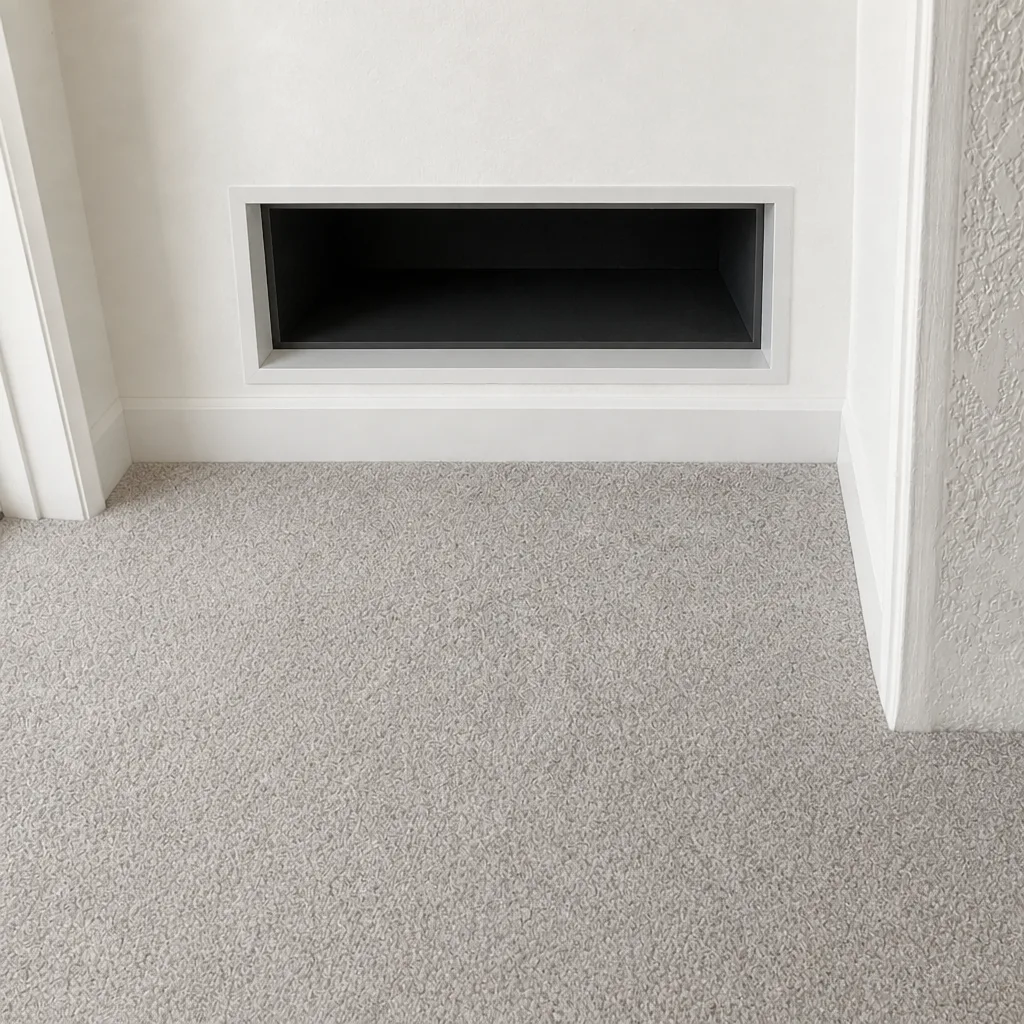
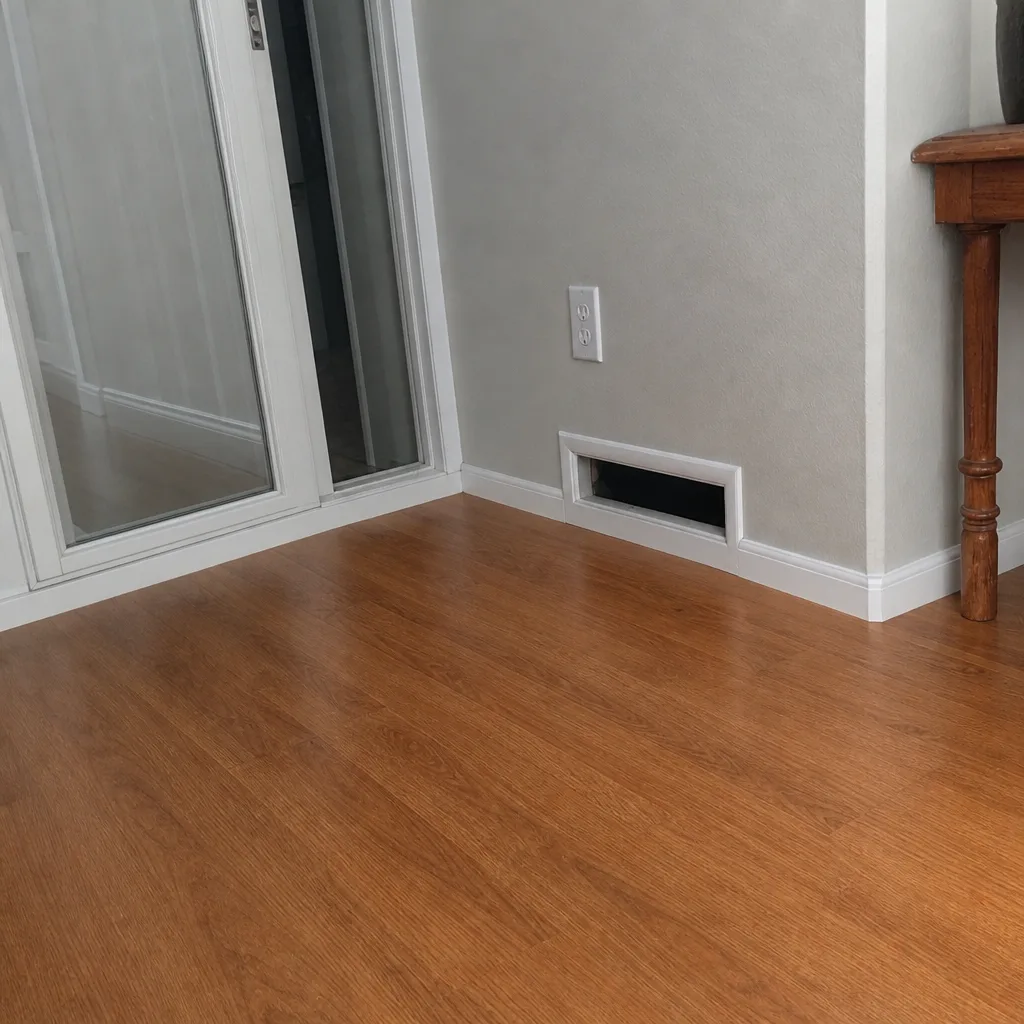
See the difference
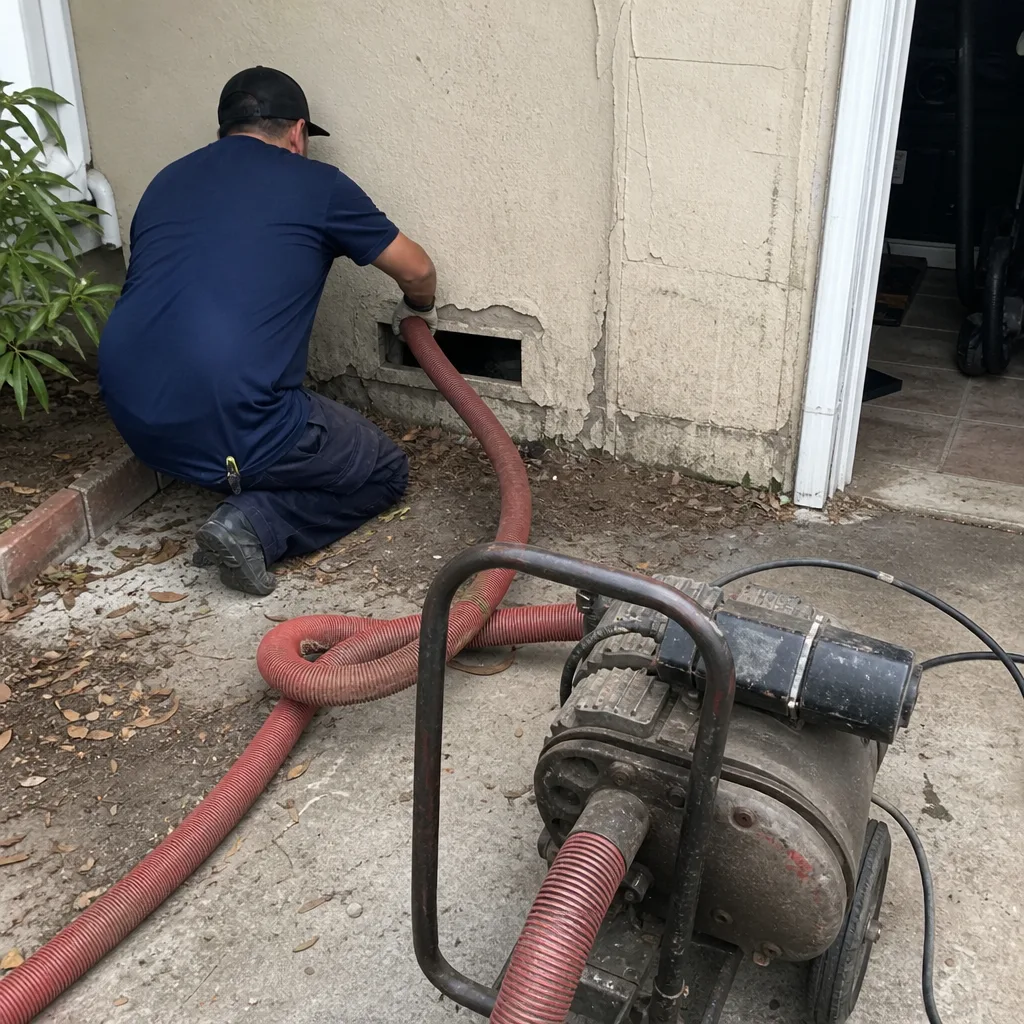 Before
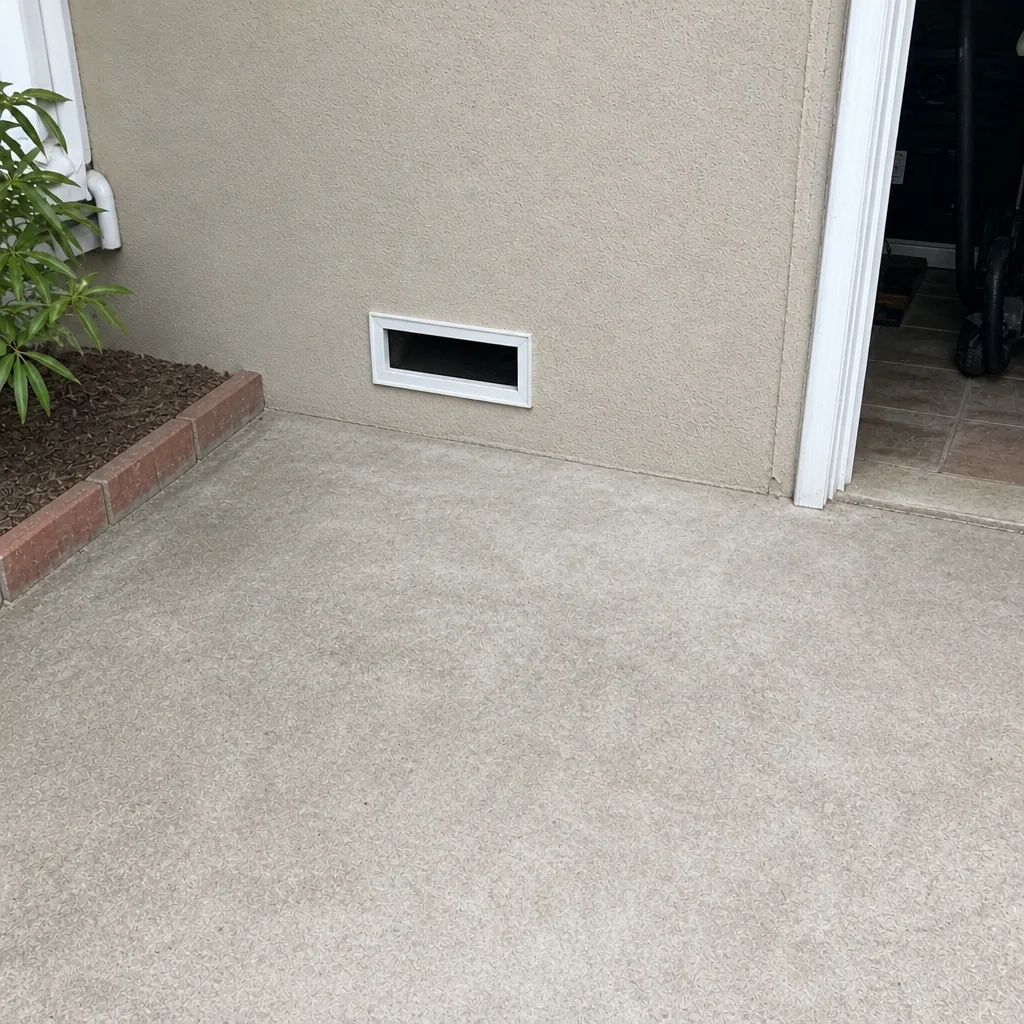 After
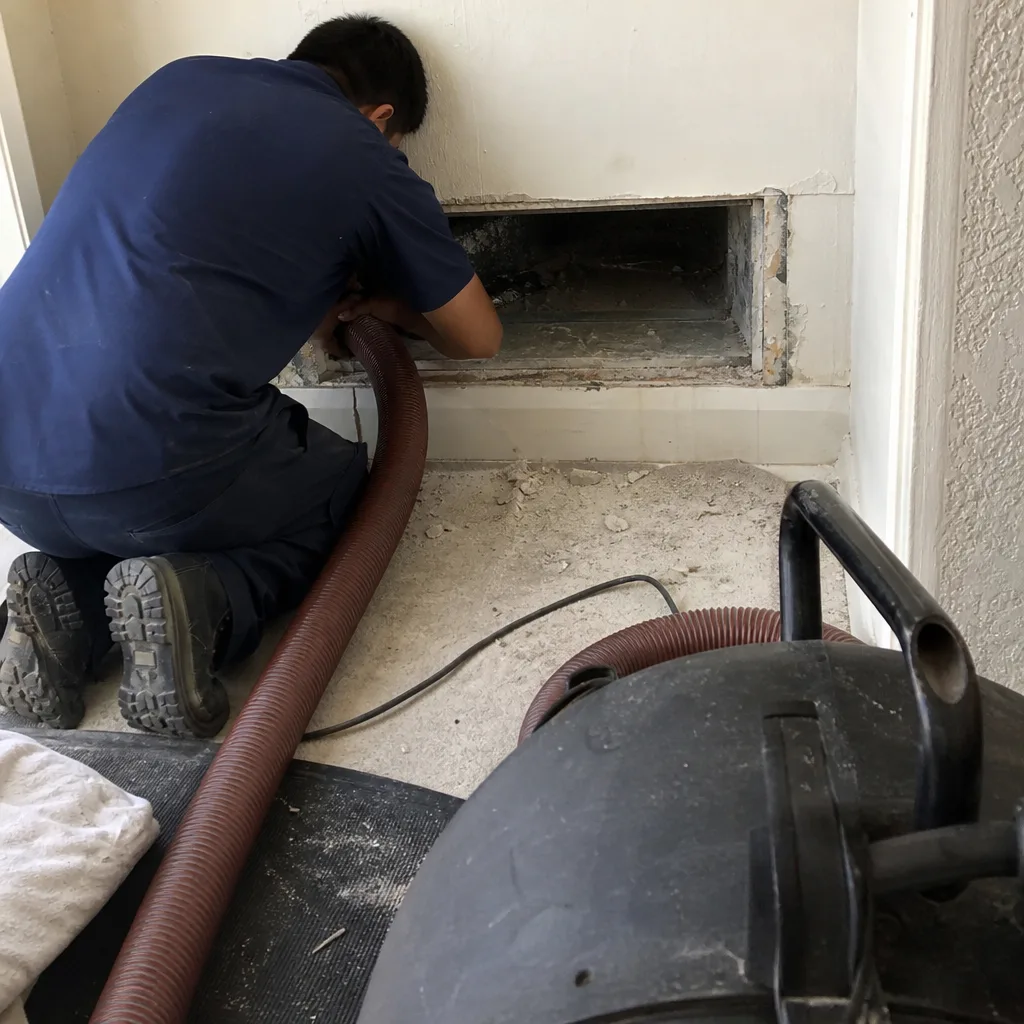 Before
 After
 Before
 After
When to Call a Professional
Some duct conditions are obvious: visible debris blowing out of registers, a persistent musty smell when the system kicks on, or a recent renovation that left drywall dust in the air. Others are quieter. A sudden jump in your energy bill with no change in usage often points to duct leaks. Allergy symptoms that get worse when the AC runs suggest particulate in the system. A dryer that takes two cycles to dry a load points to a clogged vent. Any of these is a reason to call a professional rather than open a register and poke around. Ductwork is connected to the air handler and, depending on your home, can run through tight attic or crawl spaces; the work is not a DIY project. Huntington Beach Air Duct Cleaning Pros offers free estimates in Huntington Beach – call (866) 937-7145. We answer 24/7. Fast dispatch from 7am to 7pm, Sunday through Friday.
Frequently Asked Questions
Air duct cleaning in Huntington Beach typically falls into a whole-system price range agreed in a written estimate before work begins, and that price covers the full scope – all supply and return registers, the air handler, and trunk lines. We don’t quote per vent and we don’t publish coupon prices, because the bait-and-switch pattern in this industry is exactly what those numbers produce. Ask every contractor for a written, flat-per-system scope. Call (866) 937-7145 for an exact quote – estimates are free.
Use the Contractors State License Board lookup at cslb.ca.gov and search by license number or business name. Confirm the license class covers HVAC service work, verify the status is active, and ask for current workers’ compensation and general liability certificates to be emailed to you. If any of those can’t be produced, don’t book. It’s a one-minute check that eliminates most of the risk.
You know because the contractor gives you before-and-after photos of your own ducts, a written condition report describing what was found and cleaned, and airflow notes from the crew. Verbal assurances are not documentation. Every legitimate job should end with a paper trail, and any contractor who is reluctant to produce one is telling you something about how they operate.
Cheaper quotes usually reflect a cheaper scope: fewer registers cleaned, no return plenum, no air handler, and consumer-grade equipment instead of Rotobrush, Nikro, or truck-mounted negative-pressure systems. Some also quote on the phone without seeing the system, then expand the invoice once the crew is on site. The written estimate is the final price, so read the scope before you sign. Call (866) 937-7145 for a written scope you can compare – estimates are free.
A good filter reduces what gets into the ducts, but it doesn’t stop dust from settling in the return plenum, the air handler, and the branch runs over time. Homes with pets, recent renovations, or heavy pollen exposure tend to need cleaning regardless of filter quality. If your filter is regularly dirty, that’s a sign the system is pulling in particulate from somewhere – which often means return-side leaks. A professional assessment will tell you what’s actually happening.
Yes, and it’s often the more sensible approach. Duct cleaning, HVAC cleaning, and dryer vent cleaning share equipment and setup, and bundling them into one visit means one assessment, one booking, and one written scope. Dryer vent cleaning in particular is worth doing on a routine basis because lint buildup is a leading cause of residential fires. We handle all three under one company so you’re not coordinating multiple contractors.
The Bottom Line
The equipment questions come first: ask what cleaning system will be used, how negative pressure is created, and how contaminants are captured. Then verify the license on the CSLB site and ask for insurance certificates. Insist on an in-person assessment with a written scope that names every register, the air handler, and the trunk lines, and require before-and-after photos plus a written condition report when the job is done. If the assessment turns up leaks or disconnected joints, ask about repair and sealing in the same visit. Those steps will separate a professional contractor from a coupon truck every time. Call (866) 937-7145 for a free estimate in Huntington Beach. We answer 24/7. Fast dispatch from 7am to 7pm, Sunday through Friday.
Written by the team at Huntington Beach Air Duct Cleaning Pros.