
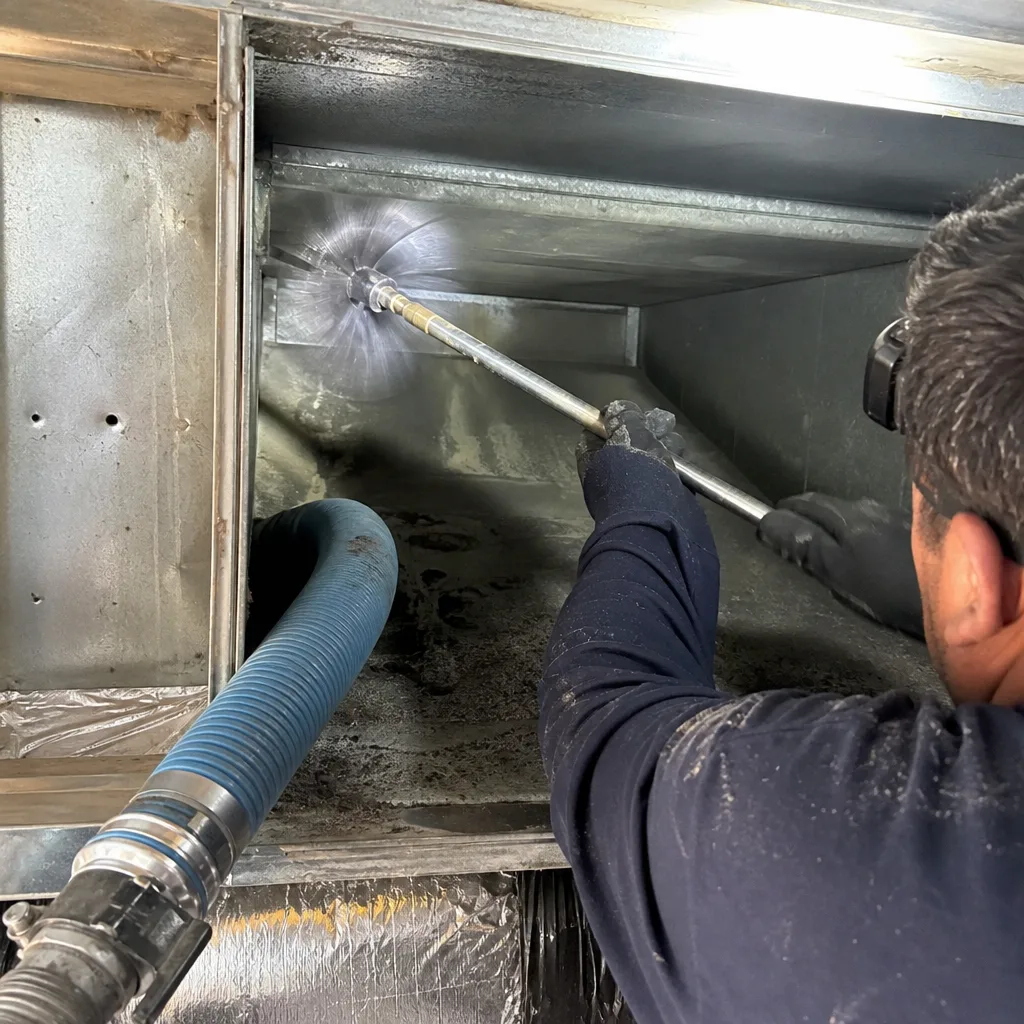
Last updated November 24, 2026
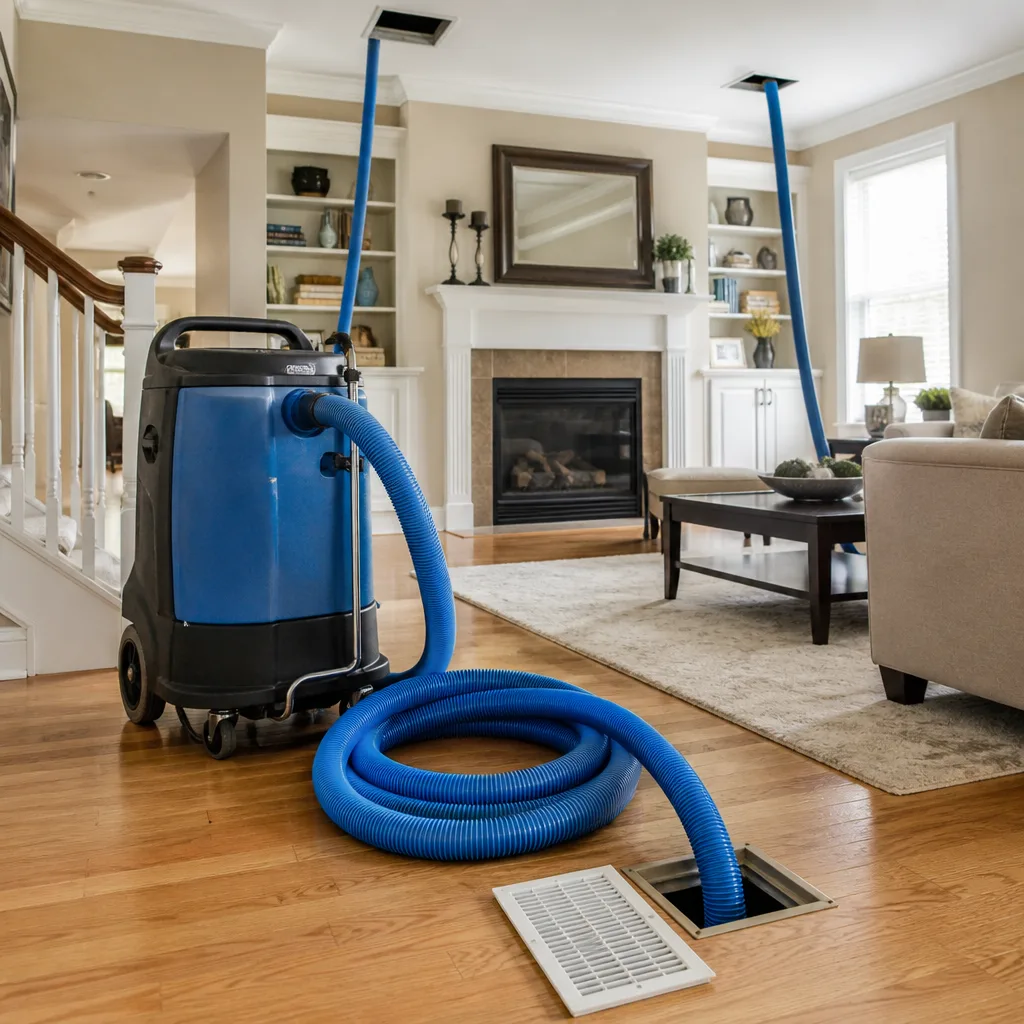 Whole-home duct cleaning
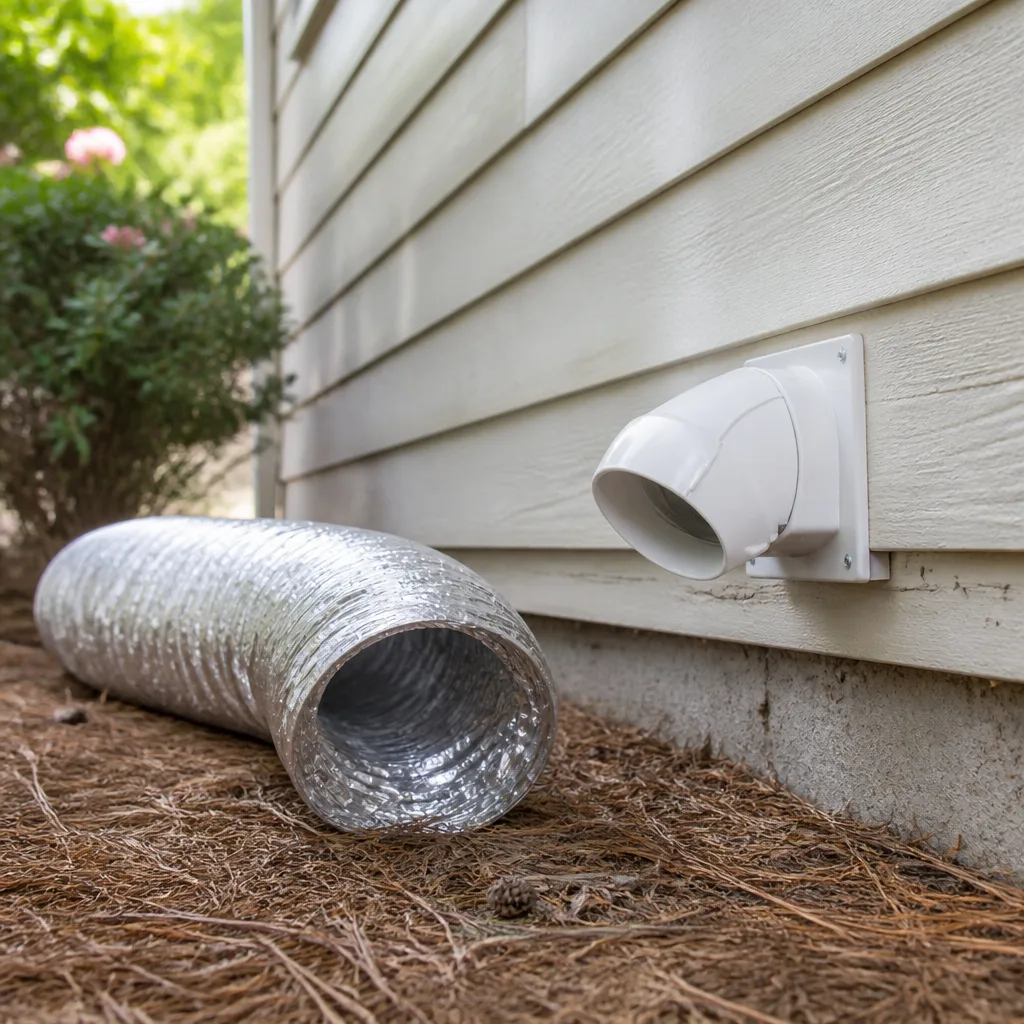 Dryer vent cleaning
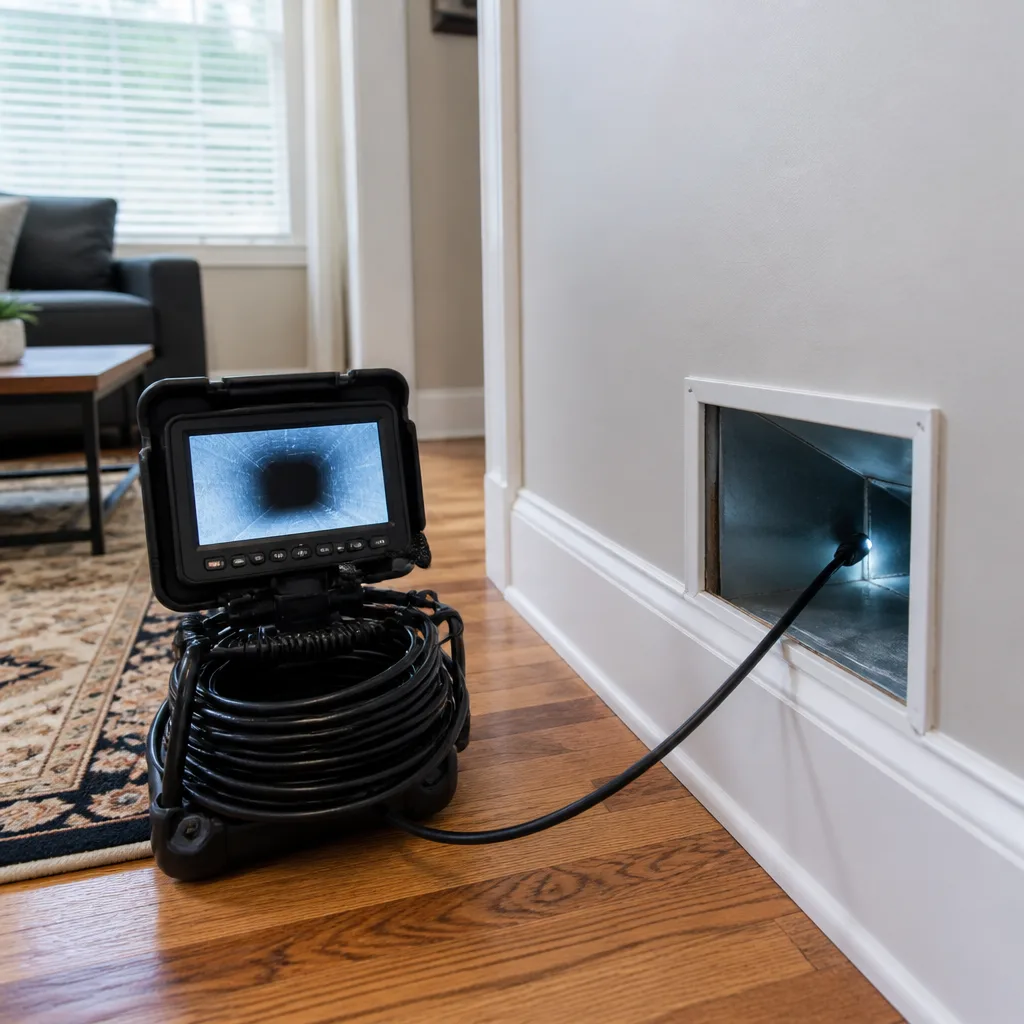 Camera inspection
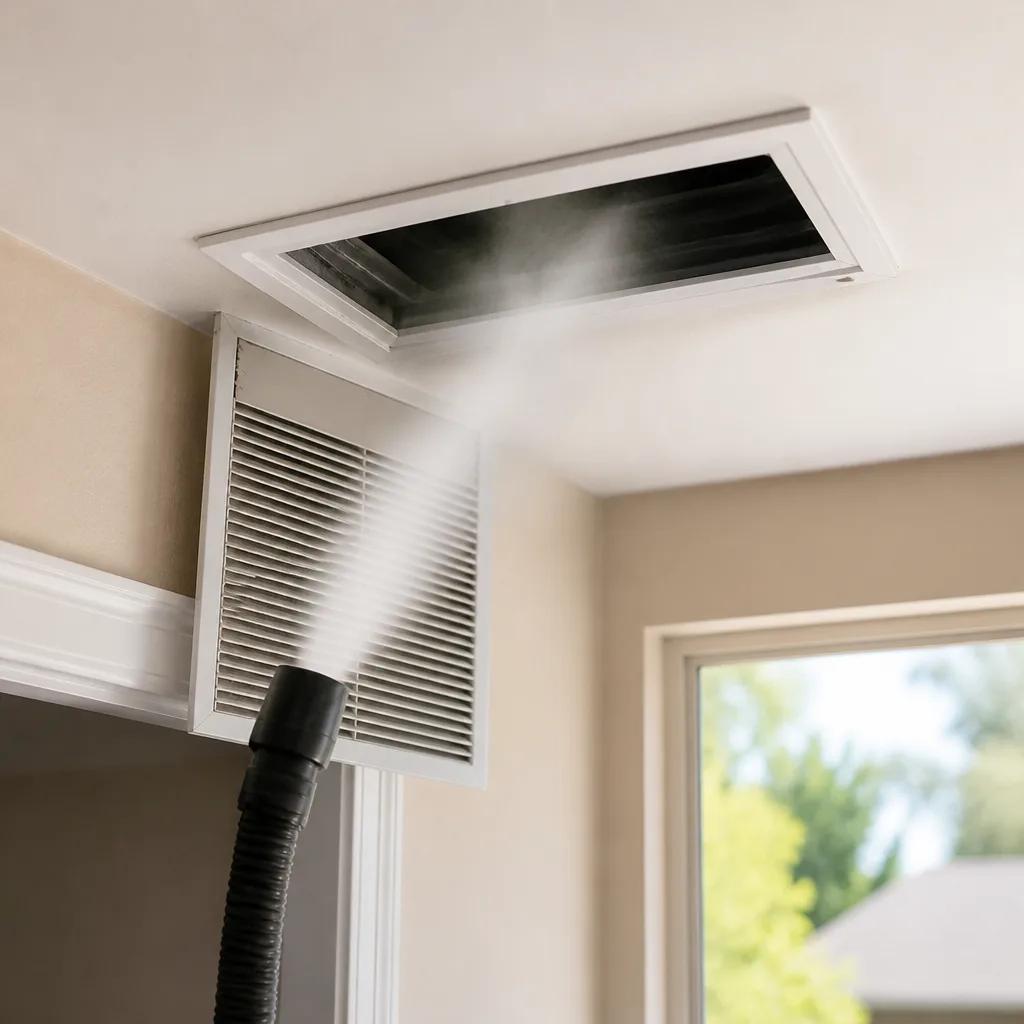 Sanitizing & deodorizing
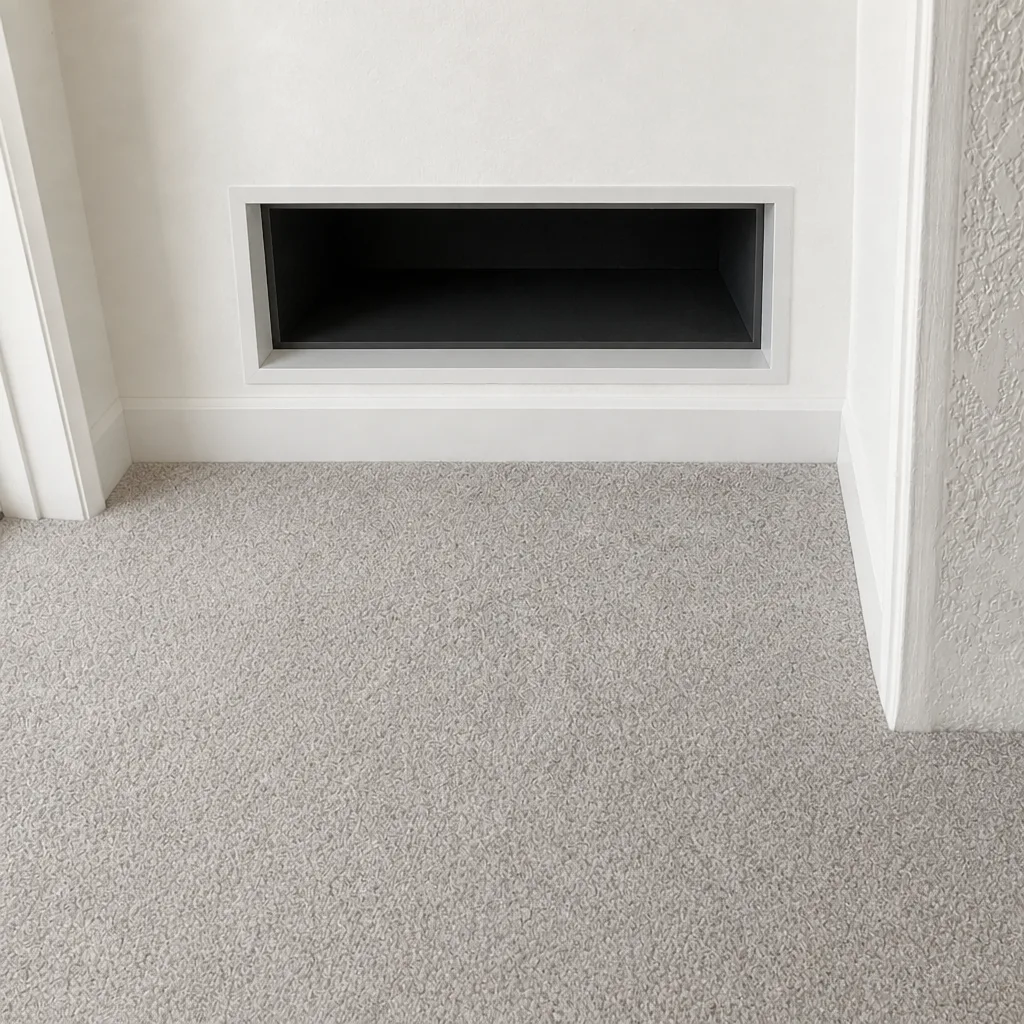
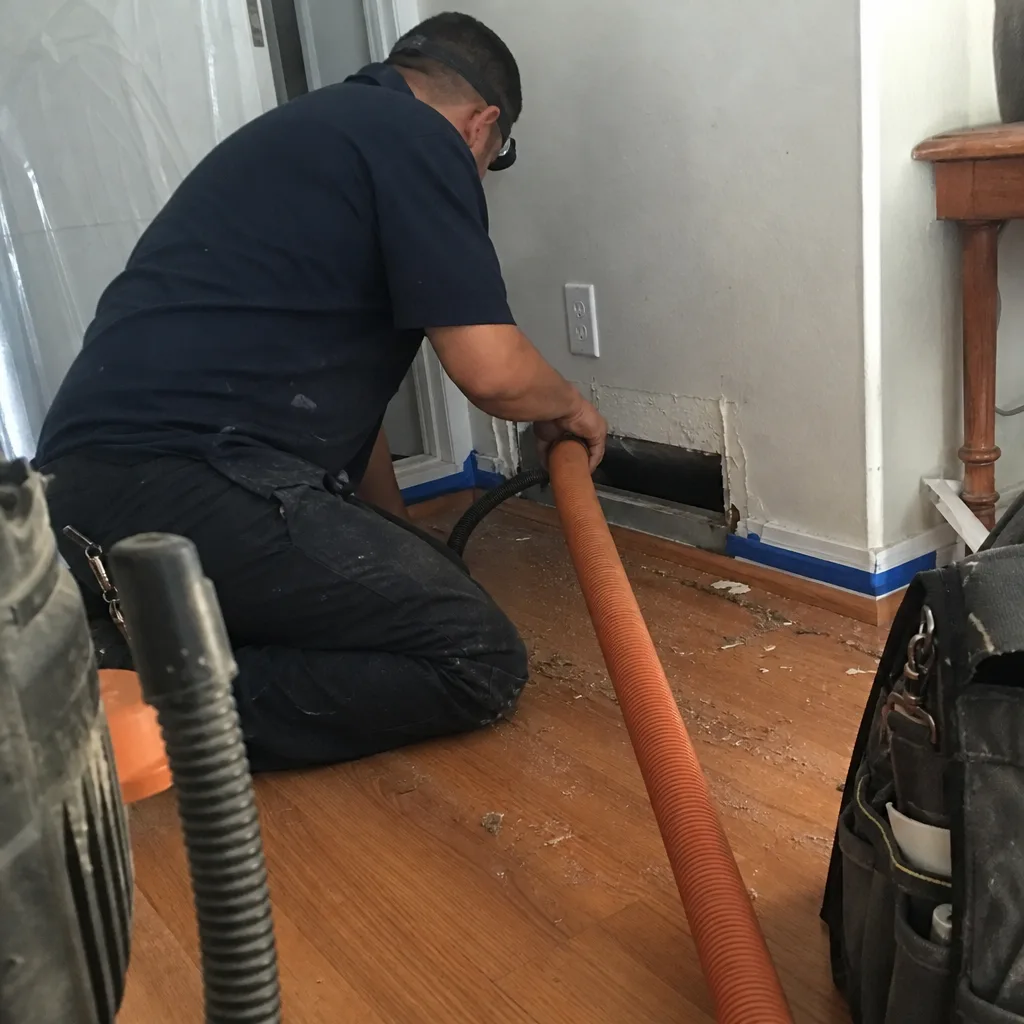
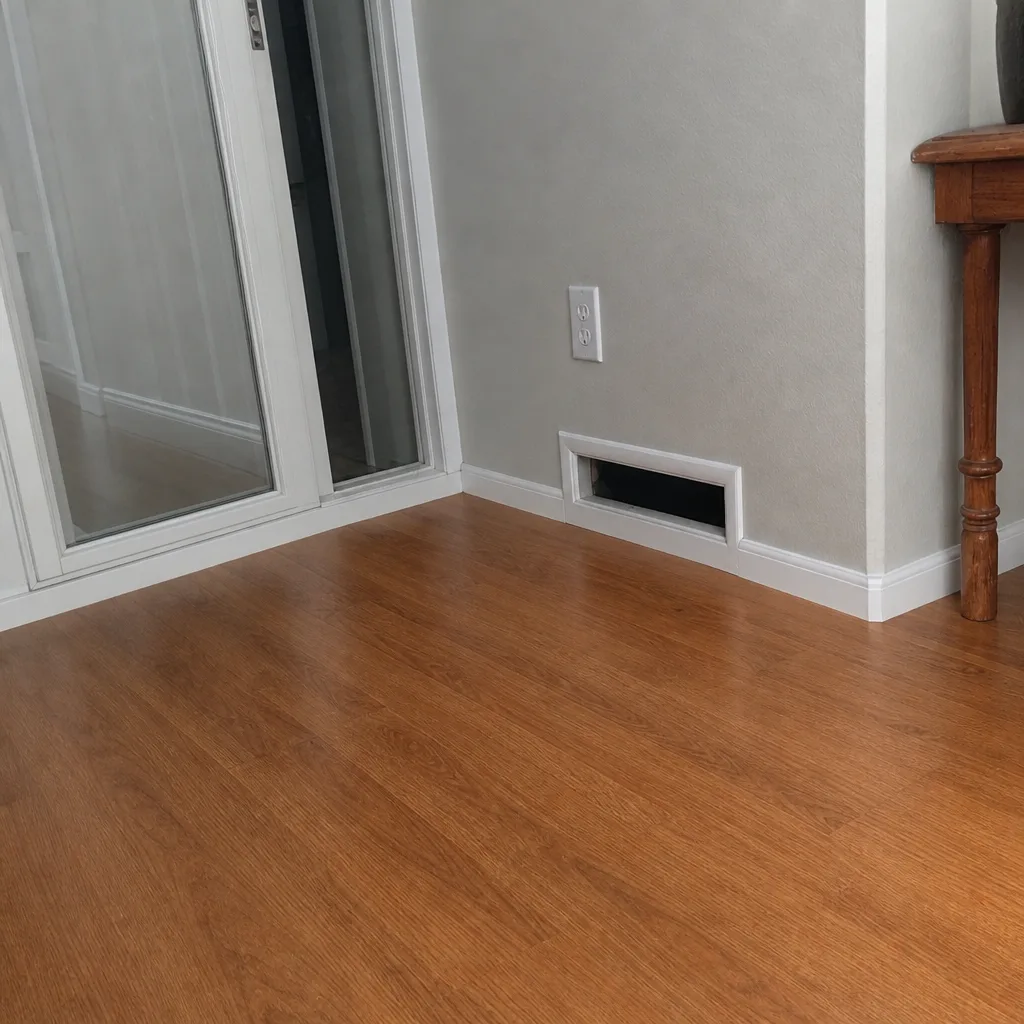
Whole-system duct and dryer vent check with before-and-after photos - you see exactly what came out of your vents
That "$99 whole-house special" is a bait ad - the real number appears once they are in your hallway, or the "clean" is a shop-vac at the register. We photograph the inside of your ducts before and after instead.
Choosing the Right Air Duct Cleaning Brand: A Buyer’s Guide for Huntington Beach
Homeowners in Huntington Beach usually start their search for a duct cleaning company the same way: a search engine, a low price on the screen, and a look at the star ratings. That framing is a problem. Ratings tell you whether someone was polite and prompt, not whether the cleaning removed contamination or moved it into the living room. A duct cleaning can be performed with a shop vac and a blower, generate glowing reviews, and leave a household worse off than before – because the equipment that captures and extracts debris is what determines the outcome, and most homeowners have no way to see it.
This guide changes the selection framework. Instead of choosing on price and reviews, you’ll learn to evaluate a duct cleaning brand the same way you’d evaluate a contractor: by equipment, scope, credentials, and local knowledge. We’ll walk through the equipment standard you should require, the difference between a cleaner and a full-service resolver, and a five-question phone script that lets you qualify a company in about two minutes. The context is Huntington Beach – the housing stock, the climate cycles, and the way indoor air behaves here – because a company that understands this city and its properties will clean differently than one running a national script.
Quick Answer
The right air duct cleaning brand in Huntington Beach is the one that operates professional-grade contact-vacuum and negative-pressure equipment (Rotobrush and Nikro are the benchmarks), performs duct repair and sealing in the same visit, uses remediation-tier contaminant capture (Abatement Technologies), and can service the filtration equipment on your system rather than merely vacuuming the trunk line. A company that passes those four thresholds will outperform a cheaper coupon service – because the cheap service can’t remove what the equipment won’t reach, and it leaves leaks and gaps to undo the work.
Styles & brands we work with
- Whole-home duct cleaning
- Dryer vent cleaning
- Camera inspection
- Sanitizing & deodorizing
Table of Contents
- Why Equipment Is the First Filter
- How to Verify a Company Actually Owns and Operates Pro Equipment
- Scope Depth: Cleaners vs. Full-Scope Resolvers
- Credentials That Mean Something vs. Credentials That Are Marketing
- Why Local Knowledge Matters in Huntington Beach
- The Five-Question Phone Script
- Matching the Brand to Your Property Type
- Common Mistakes to Avoid
- When to Call a Professional
- Frequently Asked Questions
Why Equipment Is the First Filter
Air duct contamination is not evenly distributed. Loose dust, lint, and allergens settle against duct walls, in turns, and at joints. A blower that moves air through a duct without contact with the surfaces just loosens that material and pushes it through the system, often into the occupied space. The equipment determines whether the job is removal or redistribution.
Two equipment standards matter in the trade:
- Contact-vacuum systems. The Rotobrush is the industry’s leading contact-cleaning method – a rotating brush on a flexible hose that physically scrubs duct surfaces while the vacuum captures the material it dislodges. It is used by professionals nationwide for a reason: contact is the only way to remove adhered contamination, and capture prevents the material from entering the airstream. A truck-mounted blower with no brush contact can’t reach what’s stuck to the walls; the Rotobrush can.
- Negative-pressure systems. Nikro equipment is purpose-built for HVAC cleaning and system remediation. Negative pressure is the principle that matters: contain the working area, put it under vacuum, and remove material without letting it escape. It’s the same approach used in commercial and industrial facilities, not a residential shortcut.
Both standards are the benchmark for a reason. Every air duct cleaning brand worth considering in Huntington Beach operates at least one of them – and if a company can’t tell you which system it uses, that’s an answer in itself.
Beyond cleaning, the standard for contaminant capture inside the work area is Abatement Technologies air-quality equipment, which is associated with mold, allergen, and particulate remediation. Applying that level of capture to a residential duct system is the difference between “we vacuumed the ducts” and “we removed the contamination and contained it.”
How to Verify a Company Actually Owns and Operates Pro Equipment
It’s easy to say you use professional equipment. Here’s how to tell whether a Huntington Beach duct cleaning brand does:
- Ask the brand name on the phone. Ask directly: “Which cleaning system do you use – Rotobrush, Nikro, or something else?” A company that operates these systems will name them without hesitation. A company running a shop vac or a generic blower will give a vague answer about “professional equipment.”
- Ask about brush contact. If the equipment does not make physical contact with duct surfaces, it cannot clean them properly. A real contact-vacuum operator will describe how the brush scrubs the walls.
- Ask how they contain the debris. The right answer includes negative pressure or a contained capture system – not “we open a register and blow it out.”
- Ask what photos you get. A professional brand documents its work with before-and-after photos of your actual ducts. That photo record is evidence you can review, and it’s a fair request.
- Watch for “truck-mounted only” language. A blower-on-a-truck is not the same as a contact-vacuum system, and it’s not the benchmark for residential cleaning.
For reference, our own team operates Rotobrush and Nikro systems and Abatement Technologies capture equipment, and we’re glad to talk about them on the phone – but the point of the list isn’t us. It’s that a serious brand welcomes the question, and a shortcut brand changes the subject.
Scope Depth: Cleaners vs. Full-Scope Resolvers
Here’s the distinction most buyers miss: cleaning is only one part of indoor air quality. A duct system can be cleaned to a high standard and still leak at every joint, admit unfiltered air at gaps and poor connections, and send particulates through a failing filter – none of which cleaning addresses.
Air duct cleaning is one of our five core services, alongside dryer vent cleaning, HVAC system cleaning, duct repair and sealing, and air quality and sanitizing. That five-service scope is what separates a full-scope resolver from a cleaner:
- Clean it. Remove the contamination from the system with contact-vacuum and negative-pressure equipment.
- Seal it. Repair and seal duct leaks and gaps – the source of energy loss and unfiltered air entry – in the same visit.
- Sanitize it. Apply EPA-registered sanitizers inside the duct system, and use Guardsman protective treatments on interior duct surfaces to keep results lasting.
- Optimize the filter and purifier. Service and integrate premium air-quality products – we’re experienced working with Honeywell and Aprilaire systems – so the filtration equipment does what it was designed to do.
- Address the dryer vent. Dryer vent cleaning targets a leading cause of residential fires, and it’s a core service for us, not an afterthought.
A company that only cleans leaves you to coordinate a separate contractor for repair, another for filtration, and, if you think of it, a dryer vent specialist. Full-scope work means the systems are addressed together: air duct cleaning paired with sealing and sanitizing is one call, fully resolved.
Ask any brand you interview: “If you find a leaking joint or a disconnected run, do you repair and seal it the same day?” If the answer is no, you’re hiring half the job.
Credentials That Mean Something vs. Credentials That Are Marketing
Duct cleaning has no single mandatory national certification, so credentials are often used as decoration. Here’s a practical way to separate real ones from marketing:
- NADCA membership (National Air Duct Cleaners Association). Meaningful when it reflects adherence to the trade’s cleaning standards and practices. Ask whether the technicians are trained under those standards – not just whether the company’s name appears on a membership list.
- CSLB licensing (California Contractors State License Board). This is a real, verifiable credential. Licensed contractors are regulated by the state. But the license belongs to the entity performing the work – and in a brand-and-provider model, the local professional is licensed and insured as their state requires. Ask who is actually performing the work and confirm that party holds the license.
- EPA-registered sanitizer use. This is a compliance point, not a marketing point. EPA-registered sanitizers are formulated and regulated for a specific use. Ask what product is being applied and confirm it is registered for use inside HVAC duct systems.
- “Certified” without a governing body named. If the brand can’t tell you who issued the certification, it’s advertising copy, not a credential.
The credentials that mean the most on a duct cleaning job are the ones that bear on the work being done: proper cleaning methodology, licensed and insured tradespeople, and registered products. Ask about all three and listen for specifics.
Why Local Knowledge Matters in Huntington Beach
A franchise with a national script runs the same procedure in every market. That’s a problem, because indoor air conditions vary enormously by place – and Huntington Beach has characteristics worth knowing.
Huntington Beach sits in a mild, coastal-influenced climate. Winters are mild here, which means many households run the heat only part of the year – a system that sits idle accumulates settled dust and lint on duct surfaces while moisture has little chance to cycle out. The seasonal cycle is different from a colder climate where the system runs hard for months; the deposits build during the off cycle, and the first run of the season carries them through the house. A locally experienced technician knows to look for that pattern and to recommend timing around it.
The city’s housing stock also matters. Huntington Beach has a wide mix of property ages across its neighborhoods – older homes with original ductwork that wasn’t sealed to modern standards, and newer construction where duct sealing quality varies. Repairing and sealing leaks isn’t a separate upsell in either case; it’s the work that prevents the energy loss and unfiltered air infiltration that cleaning alone won’t fix.
And Huntington Beach sits in a region where seasonal dry, windy days push fine particulate into outdoor air and, from there, into duct systems through return-air gaps. A brand that operates in this city and knows this pattern will look for infiltration points rather than just vacuuming. A brand running a national script won’t.
What to ask: “How do you approach duct cleaning for a home in this climate and this housing stock?” A brand with local experience will give you a specific answer about seasonal cycles, older ductwork, and infiltration. A script will give you a generic one.
The Five-Question Phone Script
Two minutes on the phone will tell you whether a Huntington Beach duct cleaning brand meets the equipment and scope threshold. Call and ask exactly these five questions:
- “Which cleaning equipment do you operate – Rotobrush, Nikro, or something else?” You want a named system, not “professional equipment.” If they operate Rotobrush or Nikro, they’re using the benchmark.
- “Do you perform duct repair and sealing during the same visit?” You want yes. Cleaning without sealing leaves leaks and energy loss in place.
- “What do you use for contaminant capture while you’re working?” You want an answer that names capture or negative-pressure equipment, not “we cover the furniture.”
- “Are your sanitizers EPA-registered, and which filtration brands do you work with?” You want confirmation of registered sanitizers and experience with systems like Honeywell or Aprilaire if your home has one.
- “Will you provide before-and-after photos of my own ducts?” You want yes. It’s how you verify the work was actually done.
If a brand stumbles on questions one, two, or five, they’re a cleaning crew, not a full-scope resolver. That’s the entire screening. The same questions work for a property manager vetting a vendor for a multi-unit building.
Matching the Brand to Your Property Type
The right selection criteria are the same for every property, but the emphasis shifts:
- Owner-occupied single-family home. Prioritize equipment and the before-and-after photo record. You live in the system and you’ll judge the air quality; verify the work.
- Rental properties and multi-unit buildings. Prioritize scope and documentation. Duct repair and sealing address energy loss at the source, and before-and-after photos give you a record for each unit.
- Commercial and light-industrial properties. Prioritize professional-grade equipment and remediation-tier capture. This is exactly the class of equipment commercial facilities rely on, and asking a commercial duct brand to demonstrate it is fair.
- Post-renovation households. Construction dust is fine and gets everywhere. A brand with contaminant-capture equipment and sealing capability does the job in one visit; a vacuum-only brand leaves fine dust circulating.
- Households dealing with musty odors or allergy symptoms. Prioritize sanitizing and filtration expertise – Guardsman treatments, EPA-registered sanitizers, and familiarity with Honeywell and Aprilaire products.
One brand that meets the equipment and scope threshold can serve all five. That’s the convenience of full-scope: one call, fully resolved, whether it’s a single home or a building with many units.
Common Mistakes to Avoid
- Choosing on price alone. A low quote is usually a blower-and-shop-vac job, and the damage it does isn’t visible until the first heat cycle of the season. Price is a signal of method, not value.
- Choosing on reviews alone. A homeowner can’t see inside the ducts, so a five-star review reflects customer satisfaction, not cleaning quality. Reviews tell you a technician was polite; they don’t tell you whether contamination was removed or redistributed.
- Booking with a company that can’t name its equipment. If they can’t tell you they operate Rotobrush or Nikro, assume they don’t. Ask before you book.
- Accepting a cleaning without repair and sealing. Duct leaks are the source of energy loss and unfiltered air entry in Huntington Beach homes. Cleaning without sealing leaves the problem intact.
- Skipping the dryer vent. Dryer vent lint is a leading cause of residential fires, and most HVAC-only cleaners overlook it entirely. Make it part of the engagement.
- Hiring a franchise with a national script. A brand that doesn’t know this city’s housing stock and seasonal cycles can’t tailor the work. Local knowledge is a real qualification.
- Not asking for before-and-after photos. Photos of your own ducts are the only reliable evidence the job was done. If a brand won’t provide them, that’s a red flag.
When to Call a Professional
Some situations warrant a professional visit rather than more research. Call when you notice a persistent musty odor that returns after cleaning the room; when allergy or respiratory symptoms persist indoors and don’t ease after a filter change; when energy bills rise without an obvious cause; when you’ve completed a renovation and fine construction dust keeps settling; when the dryer takes noticeably longer to dry a load; or when you’ve moved into a home and don’t know when the ducts were last cleaned. For landlords and property managers, schedule professional cleaning between tenants as part of turnover.
Huntington Beach Air Duct Cleaning Pros offers free estimates in Huntington Beach – call (866) 937-7145. Our technicians have up to 9 years of experience, work with professional-grade Rotobrush and Nikro systems, and can clean, seal, and sanitize in the same visit. We answer 24/7. Fast dispatch from 7am to 7pm, Sunday through Friday.
Frequently Asked Questions
Choose on equipment and scope, not price and reviews. Ask which cleaning system they operate – Rotobrush contact-vacuum and Nikro negative-pressure systems are the benchmark – confirm they repair and seal ducts in the same visit, and confirm they provide before-and-after photos. A brand that passes all three will outperform a cheaper coupon service, because the cheap service can’t remove what its equipment won’t reach. Call (866) 937-7145 for a free estimate.
Yes, for residential duct cleaning. The Rotobrush is a contact-vacuum system: a rotating brush scrubs duct surfaces while the vacuum captures the material. A truck-mounted vacuum without brush contact moves air through the duct but doesn’t scrub the walls, so adhered contamination can be loosened and redistributed rather than removed. Contact is the standard. Call (866) 937-7145 to ask what equipment we use on your system.
Because cleaning removes contamination, but it doesn’t fix the gaps and leaks that let unfiltered air and energy loss back in. Duct repair and sealing address the source: sealed joints, connected runs, and a system that holds pressure. Doing both in one visit means you don’t re-contaminate a freshly cleaned system. Call (866) 937-7145 for an estimate that covers both.
NADCA membership is meaningful when it reflects adherence to the trade’s cleaning standards, and CSLB licensing is a real, verifiable state credential – but confirm who actually performs the work, because that party should be licensed and insured as their state requires. Ask about both, and ask whether the sanitizers used are EPA-registered. Call (866) 937-7145 for specifics on our credentials.
Most Huntington Beach homes need duct cleaning every few years, or on a condition basis rather than a calendar: visible dust at registers, musty odor, a recent renovation, or a system that sat idle through a mild off-season. Homes with pets, allergy concerns, or more occupants typically need it more often. Call (866) 937-7145 for an honest assessment – estimates are free.
Yes – dryer vent cleaning is one of our five core services. Lint buildup in a dryer vent is a leading cause of residential fires, and most HVAC-only cleaners skip it. Our team also cleans the HVAC system and integrates Honeywell and Aprilaire filtration and purification products in a single engagement. Call (866) 937-7145 to schedule.
The Bottom Line
The brand you hire for duct cleaning in Huntington Beach should be evaluated like a contractor, not a commodity. Three filters do most of the work: the equipment (Rotobrush contact-vacuum and Nikro negative-pressure systems are the benchmark, with Abatement Technologies capture for contaminant control), the scope (cleaning plus repair, sealing, and sanitizing in one visit), and the photo record (before-and-after proof of your own ducts). Check the credentials for substance – not decoration – and ask the five phone-script questions, because the answers screen a company in two minutes. Huntington Beach’s mild climate and varied housing stock reward a local operator who understands both, rather than a franchise running a national script. Choose on method, verify on evidence, and the results take care of themselves.
If you’re ready to talk through your home or building, call (866) 937-7145 for a free estimate. One flat price per system agreed before work starts, before-and-after photos of your own ducts, and one call to resolve cleaning, sealing, sanitizing, and the dryer vent together. We answer 24/7. Fast dispatch from 7am to 7pm, Sunday through Friday. You can also start at Huntington Beach Air Duct Cleaning Pros to see the full service scope.
Written by the team at Huntington Beach Air Duct Cleaning Pros.
See the difference
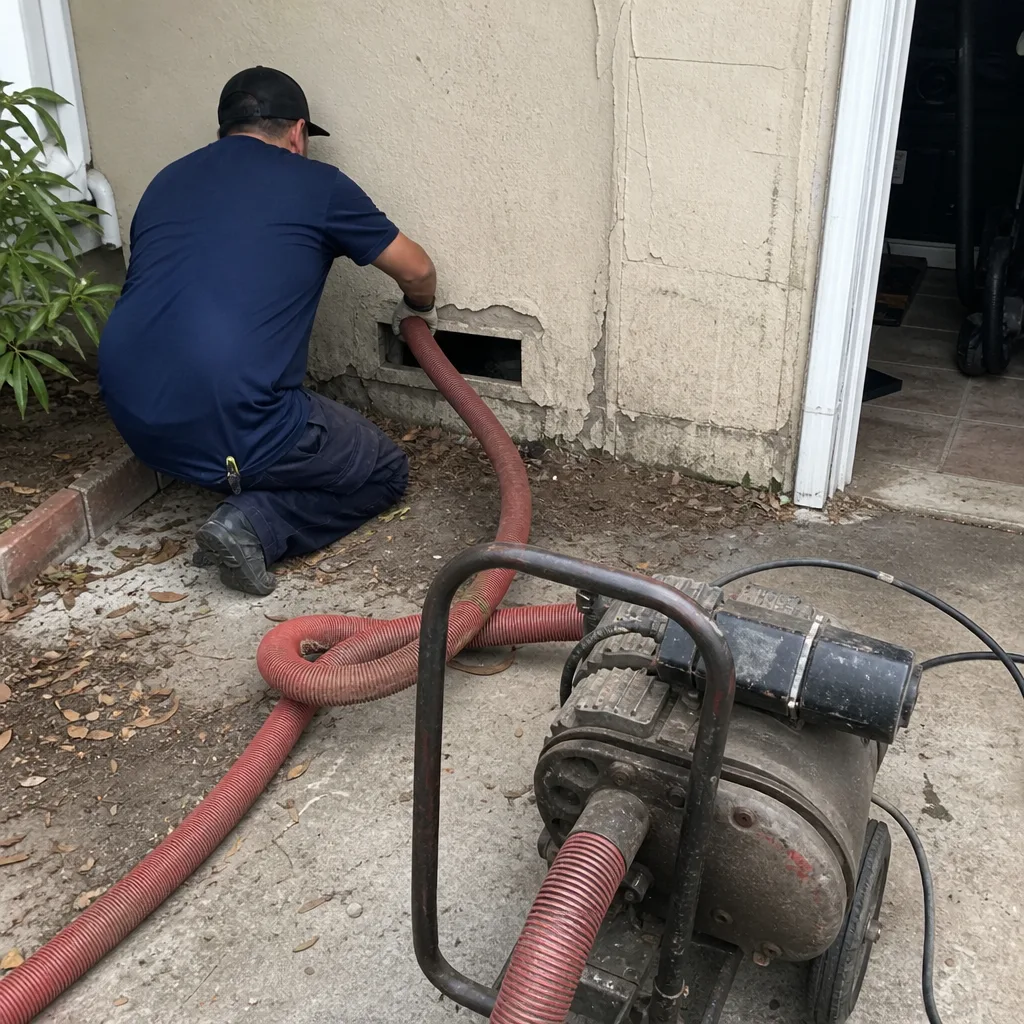 Before
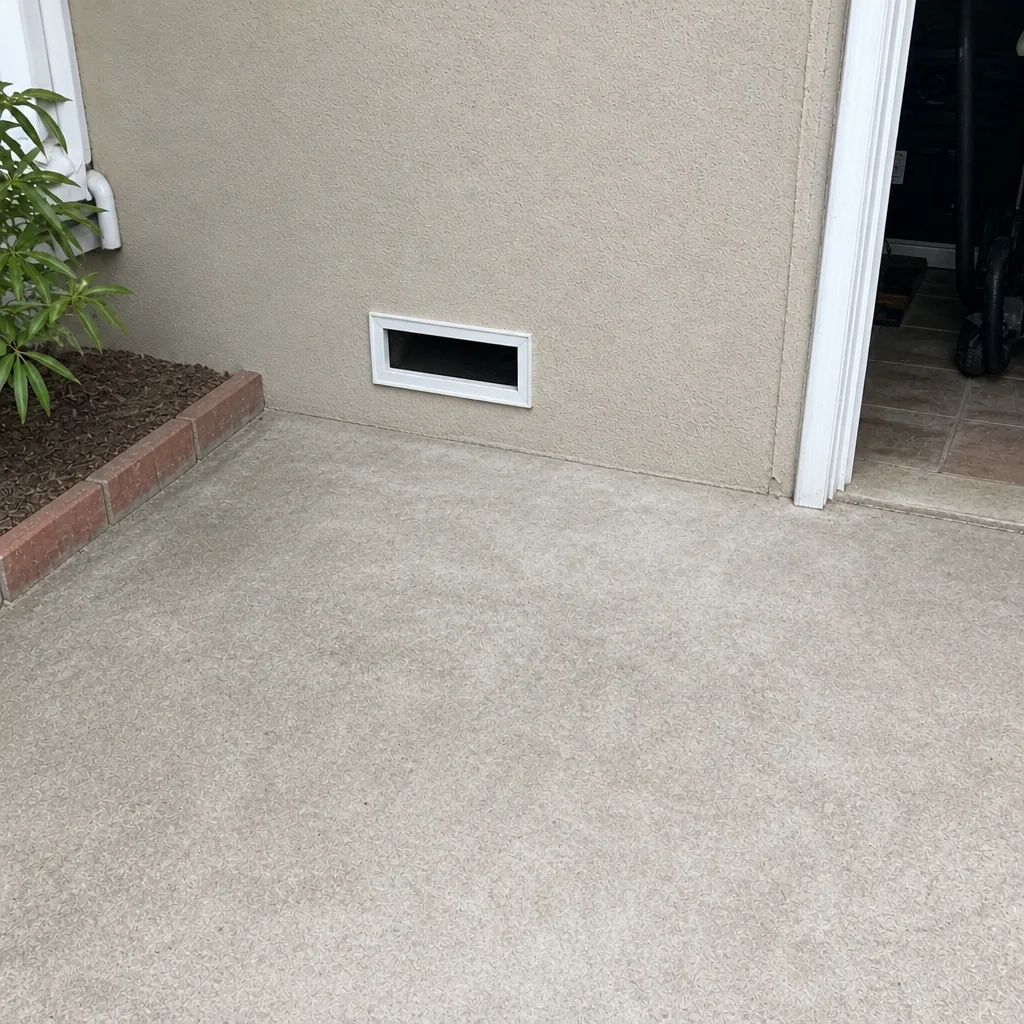 After
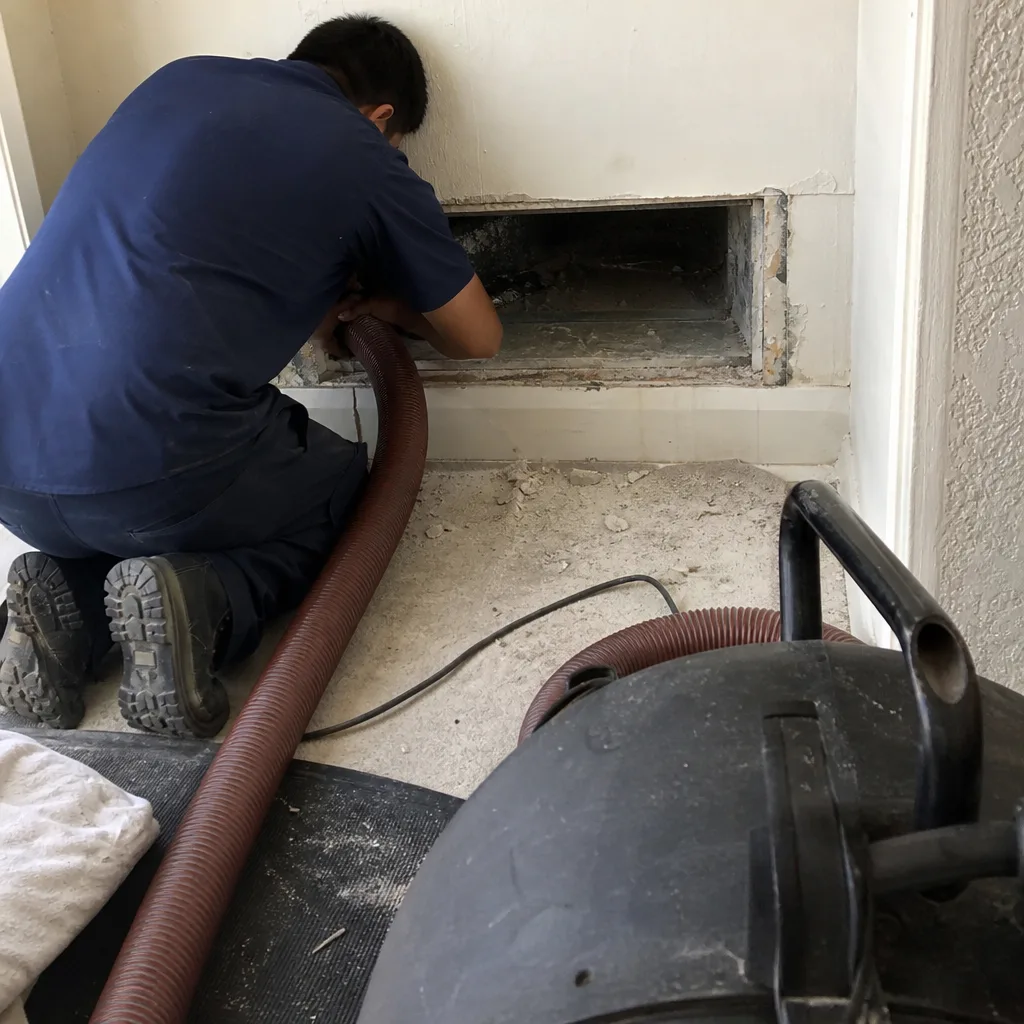 Before
 After
 Before
 After