
Honeywell Air Duct Cleaning in Huntington Beach: A Homeowner’s Guide
Most Huntington Beach homeowners who add a Honeywell whole-home air cleaner expect to breathe easier within days. Instead, the filter clogs in weeks, the status light stays stubbornly on, and the system seems to work harder for less. The culprit is usually what was already living in the ducts before the Honeywell equipment went in. In our experience, a premium air purifier bolted onto a contaminated duct system doesn’t clean your air – it filters the debris already circulating and wears out faster because of it.
If you’d rather not sort through it alone, call (866) 937-7145 for a free estimate. We answer 24/7. Fast dispatch from 7am to 7pm, Sunday through Friday.
Why Does a Honeywell Filter Load Up So Fast in Huntington Beach?
A Honeywell filter loads up fast because the duct system feeding it is dirty. Media filters and electronic air cleaners are designed to catch what passes through them – pollen, fine dust, smoke particles. When the return ducts are lined with settled debris, sheet metal dust, and years of accumulation, every time the blower kicks on it lifts that material back into the airstream and drives it straight into the filter. The filter is doing its job; the ducts are sabotaging it.
Think of it this way. A Honeywell electronic air cleaner is rated to capture a high percentage of particles in a single pass. That rating assumes clean air arriving at the unit. Feed it a stream that’s already carrying construction grit from a remodel down the street, or fine Saharan dust that drifts into the LA basin, and the cells saturate weeks ahead of schedule. You end up washing or replacing components far more often than the manual suggests, and the whole-home purification you paid for never quite delivers.
This is the piece most duct-cleaning crews skip. They clean the trunk line, hand you a receipt, and leave. The Honeywell equipment downstream still sees whatever the branches carry. Our technicians have up to 9 years of experience working with premium filtration systems, and the pattern is consistent: the dirtier the duct infrastructure, the shorter the filter service life and the weaker the return on the equipment investment.
Clean First, Install Second: Why Sequencing Matters
Duct cleaning should happen before a Honeywell system is installed, or alongside it – never after. Installing first and cleaning later means the new equipment is exposed to the worst the ducts have to offer during its break-in period. Electronic cells collect debris they weren’t meant to handle, humidifier pads pull in particulate, and UV lamps sit behind a film of dust that blocks the very light meant to sanitize.
Here’s the order that protects your investment:
- Inspect the duct system. Look for disconnected runs, torn insulation, and gaps at the plenum and register boots before anything else goes in.
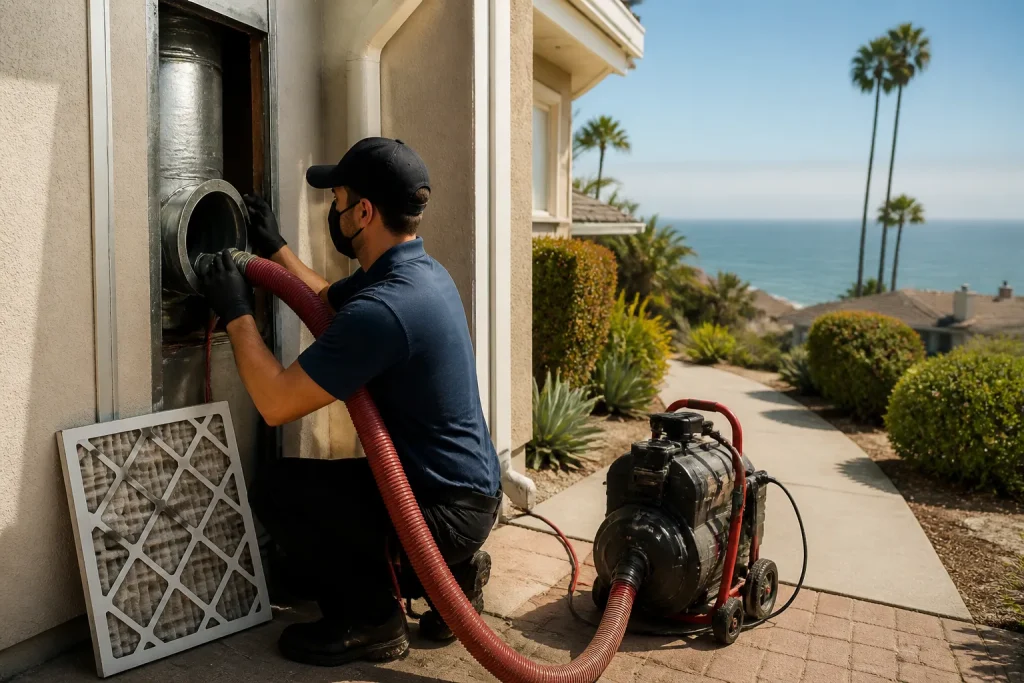
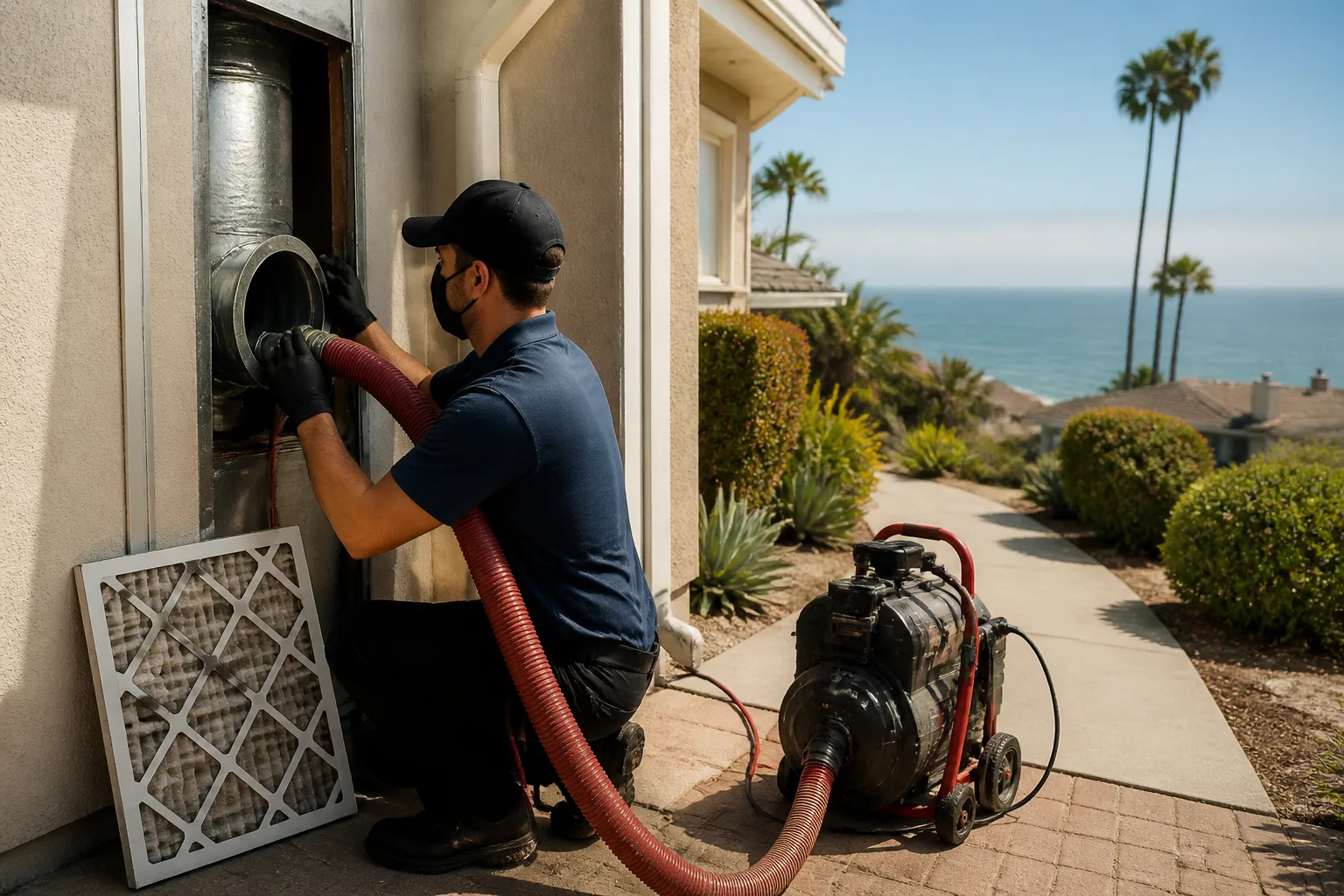
- Clean the full duct system with the return side included. Contact-vacuum equipment like Rotobrush reaches the interior walls of the ducts, not just the visible openings, and negative-pressure setups keep debris from blowing back into the living space.
- Seal leaks and repair damaged sections. A leaky duct wastes the clean air your Honeywell system is trying to condition.
- Install or service the Honeywell equipment. With clean air arriving, filters last closer to their rated interval and the system performs as designed.
We’ve seen homeowners spend real money on a whole-home air cleaner, watch it underperform, and conclude the equipment was the problem. Almost always, the ducts were. Doing the routine air duct cleaning first, or scheduling it the same visit, closes that gap.
Which Honeywell Components Benefit Most From Clean Ducts?
Every Honeywell air quality component benefits from clean duct infrastructure, but three feel it most. Each one depends on moving air that isn’t already loaded with particulate.
- Whole-home humidifiers. A flow-through or steam humidifier draws air across a pad or canister. Dirty air coats the pad, and mineral-and-dust buildup shortens pad life and cuts output. Huntington Beach’s dry Santa Ana wind days are exactly when you want the humidifier working at full strength, not fighting a clogged pad.
- UV germicidal lights. These work by exposing the coil and air stream to UV. A layer of dust on the lamp sleeve or on the coil surface shields the very contaminants the light targets. Clean ducts mean the lamp reaches what it’s supposed to.
- Electronic air cleaners. Collection cells and pre-filters are the workhorses here. When duct-borne debris reaches them first, the cells load up and need cleaning far more often, and the unit’s efficiency drops between cleanings.
Our technicians work with Honeywell and Aprilaire systems regularly, which means we can clean the ducts and tune the filtration equipment in the same visit rather than leaving you to coordinate two contractors. That’s the difference between “clean it” and clean it, seal it, service the equipment, and confirm it all works together.
What Duct Integrity Should Be Verified Before You Commit to Honeywell?
Before any Honeywell system is integrated, a technician should confirm the duct system can actually deliver clean air to it. Ducts that leak, sag, or sit uninsulated underperform no matter how good the filter is. Here’s what to check:
- Sealing at joints and boots. Gaps at the plenum, wyes, and register boots pull attic or crawlspace air into the system. That air bypasses your filter and lands in your living room. Sealing is a repair we handle in the same visit as cleaning.
- Insulation condition. Worn or missing duct insulation lets heat and moisture affect the air stream. In Huntington Beach’s mild climate, insulation rarely faces a hard freeze, but the marine-layer humidity that rolls in overnight still matters – condensation on cold surfaces inside an uninsulated duct can feed mold.
- Disconnected or crushed runs. A run that’s come loose in the attic sends conditioned air into the attic, not your rooms. The Honeywell equipment downstream reads low airflow and compensates, wearing itself out.
- Filter slot and cabinet fit. The filter cabinet needs to seal tight. A loose fit lets unfiltered air slip past the media, defeating the point.
This is the part of the job that separates a real air-quality engagement from a quick vacuum. If your ducts fail the integrity check, installing a premium purifier is like putting a high-end lock on a doorframe that’s pulling out of the wall.
How Does Huntington Beach’s Climate Affect Honeywell Performance?
Huntington Beach sits where the marine layer meets dry inland air, and that mix is hard on air quality equipment when the ducts are dirty. Fog and overnight humidity settle into the system; a day later, dry Santa Ana winds push fine dust through every crack. A clean, sealed duct system keeps that outside air where it belongs once it’s been filtered.
In our experience, humidifier and purifier performance in Huntington Beach homes suffers most when the duct system is both dirty and leaky. The humidifier pad loads up with dust, the UV lamp sits behind a dusty film, and the electronic cells saturate early. The fix is the same whether the home is a block from the water or a few miles inland: clean the ducts, verify the seals, then let the Honeywell equipment do its job. Dryer vent cleaning belongs on the same punch list – a clogged dryer vent is a fire hazard waiting to happen, and we treat it as a core service, not an add-on.
When to Call a Pro
If your Honeywell filter is loading up in weeks instead of months, if you smell mustiness when the system kicks on, or if you’ve just finished a renovation and the return grilles are coated in dust, call a pro. Our technicians use Rotobrush and Nikro professional cleaning systems and Abatement Technologies air-quality equipment to capture contaminants, plus Guardsman protective treatments applied inside the duct system. This isn’t a shop-vac job, and it isn’t a coupon special. One call gets the cleaning, the repair and sealing, the dryer vent, and the Honeywell service handled together.
Related services in Huntington Beach: dryer vent cleaning and HVAC cleaning. If you’re starting from scratch, our main Huntington Beach Air Duct Cleaning Pros page lays out the full scope.
The Bottom Line
Honeywell whole-home air purification, humidification, and UV equipment is only as good as the duct infrastructure it sits inside. Clean the ducts first, verify and seal the system, then let the equipment perform. That sequencing protects your filter service life, your energy bill, and the return on a real investment. If you’re in Huntington Beach and need help, Huntington Beach Air Duct Cleaning Pros offers free estimates – call (866) 937-7145. We answer 24/7. Fast dispatch from 7am to 7pm, Sunday through Friday.
Frequently Asked Questions
Yes. Cleaning the ducts first, or at the same time, keeps duct-borne debris from loading the new equipment early. Installing into a dirty system shortens filter life and cuts performance. Call (866) 937-7145 for an exact quote – estimates are free.
Follow the manufacturer’s interval, but expect a dirty duct system to shorten it. When the ducts are clean and sealed, filters last closer to their rated cycle. Call (866) 937-7145 to book a check.
They don’t crack the unit, but they saturate the cells and coat the components faster, which means more frequent cleaning and lower efficiency between services. Keeping the ducts clean protects the equipment. Call (866) 937-7145 for a free estimate.
Cheap quotes usually skip the return side, skip sealing, and rely on a blower instead of contact cleaning. You get a look-clean trunk line and a system that stays dirty. We clean with Rotobrush and Nikro equipment, seal leaks, and show before-and-after photos of your own ducts. Call (866) 937-7145 for an exact quote – estimates are free.
Written by the team at Huntington Beach Air Duct Cleaning Pros.
Need Air Duct Cleaning Help?
Call Huntington Beach Air Duct Cleaning Pros - the local pro we connect you with is licensed and insured, with free written estimates in Huntington Beach.
(866) 937-7145